


You're watching the iPhone moment for white-collar labor.
Not because "AI is smart now." Because for the first time, the AI is touching the same buttons you touch.
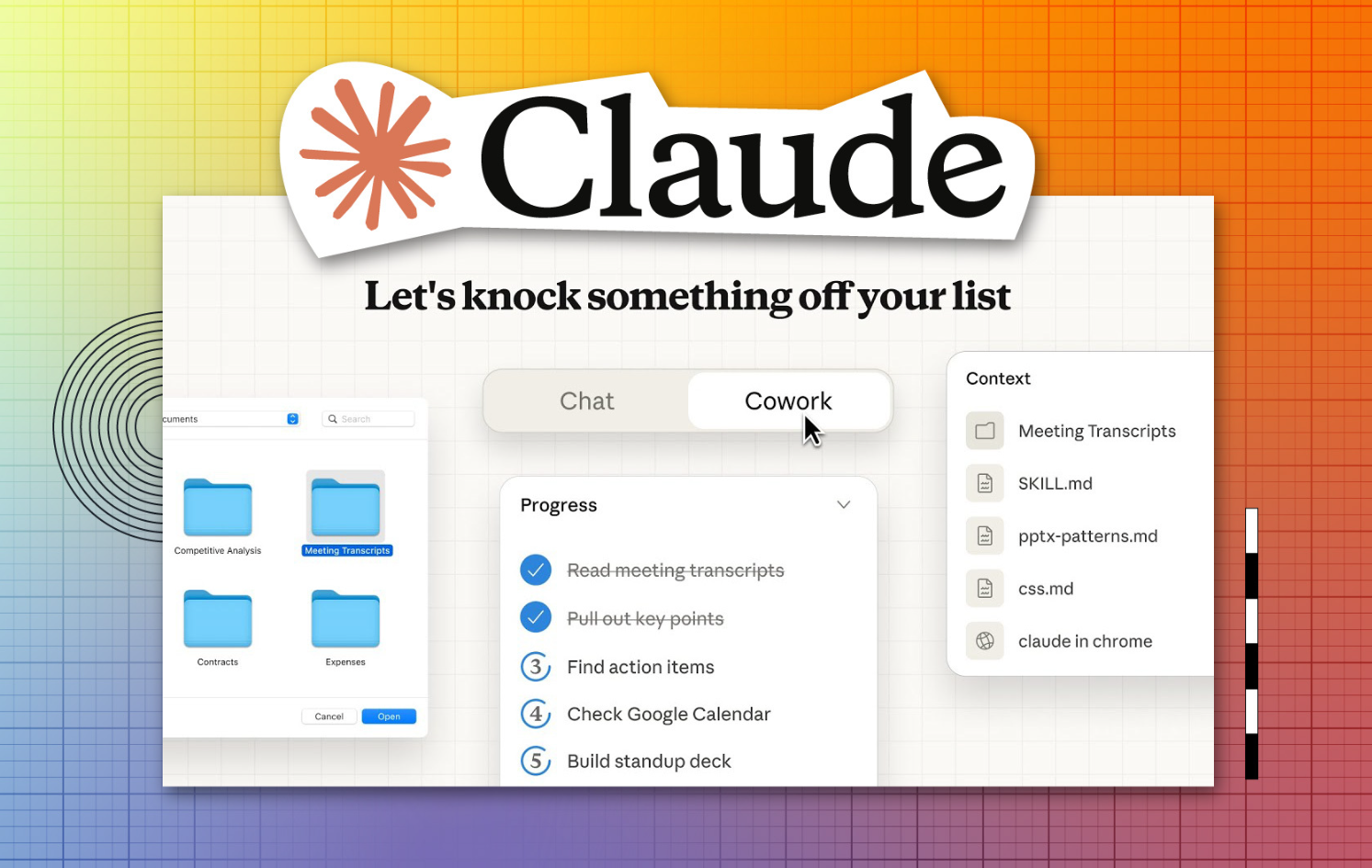
Anthropic just shipped Claude Cowork — a desktop "AI coworker" that can operate across your local files and connected apps. It's currently a research preview available only to Claude Max subscribers ($100-$200/month) on macOS, but the implications are immediate. Four engineers built it in 10 days. They didn't write most of the code — Claude Code wrote it.
The obvious play is to stampede into "AI assistant" clones. The real money is in owning one job role inside one industry so deeply that your AI becomes the default hire. At 100 customers, you're at $1.8M-$3.6M ARR. At 500 customers, you're at $9M-$18M ARR.
Think "Dental Front Desk Agent" or "Property Management Coordinator Agent" or "Med Spa Booking Agent." A role with a job description, a shift schedule, a rules engine, an approval chain, and receipts.
Cowork handles execution. You sell the job.
Why now (and why this window is narrow)
The tech stack just got real
Anthropic's Boris Cherny confirmed Claude Code users were treating it as a general agent from day one — vacation research, subscription cancellations, plant monitoring, even oven control. The developer branding was the only thing holding back mainstream adoption. Cowork removes that barrier.
Simon Willison, a respected developer, called it "the first really useful general-purpose AI agent" and predicted Google and OpenAI would follow immediately. They will. Multiple sources expect Microsoft, Google, and OpenAI to ship comparable desktop agents through 2026.
You have 6-18 months before horizontal copilots flood the zone.
The pricing is a gift
$100-$200/month puts Cowork squarely in "employee replacement" pricing territory, not "software tool" pricing. Early adopters are self-selecting into high-intent operators already treating AI as labor cost, not tech spend.
A front desk hire runs $3,500-$6,000/month loaded. If you charge $1,500/month and save them 40% of an FTE, it's instant ROI.
Vertical AI is the only VC consensus left
AI captured nearly 50% of all global VC funding in 2025 — $202.3B up from $114B in 2024. But TechCrunch's December survey of 24 enterprise VCs revealed unanimous agreement: 2026 is the year enterprises consolidate AI spending into fewer vendors.
The survey was explicit: companies are done experimenting. They're picking winners and cutting the rest.
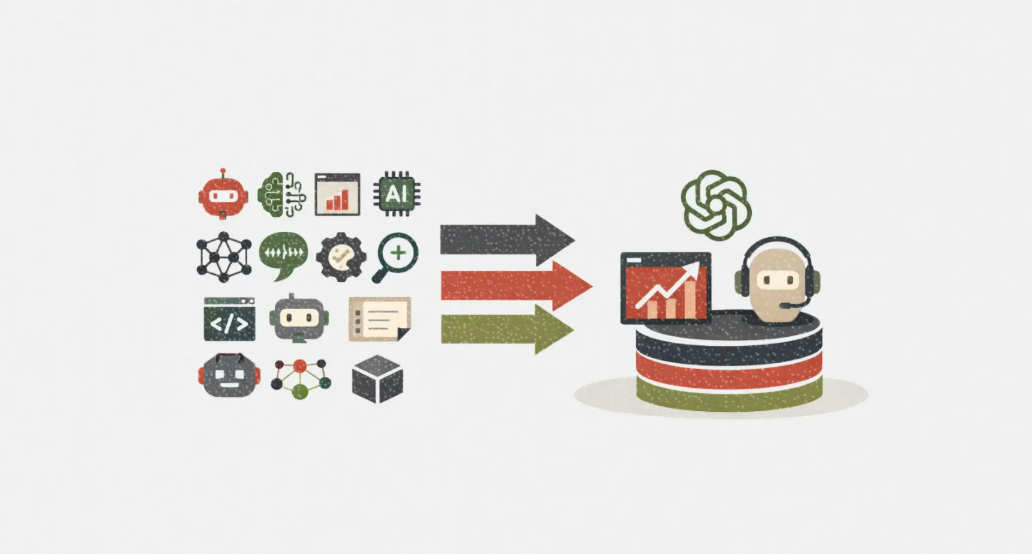
Translation: horizontal tools will get commoditized. Vertical solutions with proprietary data and workflow depth will survive.
Bessemer published a playbook on vertical AI in late 2025, calling it the highest-conviction category because defensibility comes from workflow depth and switching costs — not model performance. That's exactly your play.
"Safety issues" become your moat
Cowork can execute real actions, which means real damage if misused. Anthropic openly warns about prompt injection, accidental deletions, data exfiltration.

That's your wedge: supervision, audit logs, approval workflows, compliance templates.
These aren't bugs. They're product features — and they're the reason enterprises will pay you instead of rolling their own.
The wedge: replace the junior operator, not the CEO
The mistake founders make is aiming at "AI CEO" fantasies.
The money is in replacing the person who spends all day doing the repetitive work that keeps "boring but rich" industries running: confirming appointments, chasing documents, sending template messages, coordinating vendors, following up on no-shows, updating forms and spreadsheets.
Those jobs exist in every industry with real money. They're miserable to hire for. And they're repeatable enough that an AI can actually do them — if supervised.
Three verticals that print (with real market data)

Unlock the Vault.
Join founders who spot opportunities ahead of the crowd. Actionable insights. Zero fluff.
“Intelligent, bold, minus the pretense.”
“Like discovering the cheat codes of the startup world.”
“SH is off-Broadway for founders — weird, sharp, and ahead of the curve.”


