


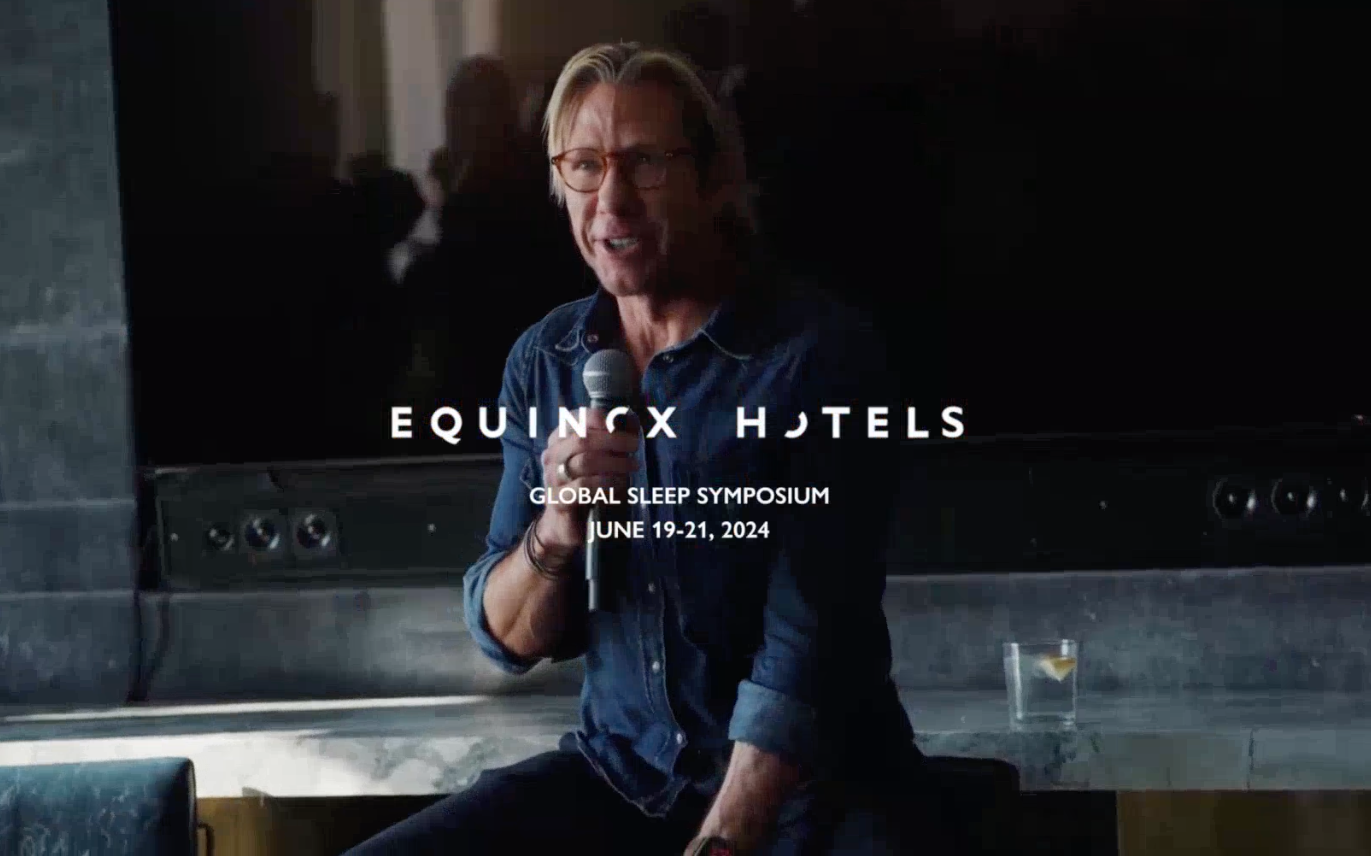
Equinox Hotel in New York charges $800+ per night for rooms engineered by sleep scientist Dr. Matthew Walker. Park Hyatt installed AI-powered Bryte Balance mattresses that cost more than most used cars. Four Seasons Toronto built an entire sleep program around blackout systems and pillow menus.
The luxury hospitality industry just placed a $75 billion bet that you can't sleep at home. And they're right. Two-thirds of Americans report sleeping better in hotels than in their own bedrooms, according to Hilton's 2025 Trends Report. Not the same. Better. Your $3,000 mattress can't compete with a well-designed hotel room.
The arbitrage: sleep tourism will hit $145-150 billion by 2030 (growing at 12% annually), but there's no standardized way to find sleep-optimized stays. Forty percent of travelers now choose hotels specifically for sleep quality, but they're hunting blind. Luxury properties charge premium rates for "sleep experiences" without any objective measurement. And 91% of frequent travelers say they'd pay 10% more for verified sleep-enhancing accommodations, but no verification system exists.
Build the standard. Prove ADR uplift in one city. Scale the badge. Your Year 3 revenue potential: $2.4M-$4.4M from certification fees, product margin, hotel enterprise deals, and corporate wellness programs. The wedge is supply labeling, not demand creation.
The market signal: sleep became the luxury
Market size: Sleep tourism was valued at $75 billion in 2024, projected to reach $145-150 billion by 2030 (CAGR of ~12%). North America owns 36% of the global market.

Consumer willingness to pay:
- 91% of frequent travelers will pay 10% premium for sleep-enhancing accommodations (Global Wellness Institute/Serta Simmons 2024)
- 40% of travelers choose hotels specifically for sleep quality (Hilton 2025 Trends Report)
- 43% would pay more for "sleep-enhanced" hotel rooms (Amerisleep survey, June 2025)
- Average willingness to pay: $1,725 for a sleep tourism vacation (Amerisleep)
- International wellness tourists spend $1,764 per trip vs. $1,250 for average travelers (Grand View Research)
Behavioral signals:
- 70% of luxury travelers prioritize sleep-centric amenities (Hilton)
- 75% of consumers consider sleep quality the most important travel factor (Hyatt survey)
- 26% of travelers book spa/wellness treatments specifically to enhance sleep
The problem: 63% of travelers report worse sleep while traveling, with noise (75%), lighting (72%), and bedding (70%) as top disruptors. Hotels are scrambling to solve this with unverifiable marketing claims.
This is not theoretical. The data is recent and directionally consistent: travelers care about sleep, will pay more for it, and current offerings are fragmented marketing theater without standardized measurement.
The real opportunity: own the standard
Don't build "Airbnb for sleep." Build the label that defines what "sleep-optimized" means, then sell the certification pathway and marketplace access.
Michelin for restaurants. LEED for buildings. WELL Building Standard for office spaces. Those systems don't address the specific, measurable variables that determine sleep quality in hospitality. Your moat is objective measurement plus upgrade pathway plus marketplace distribution.
The hotels are already legitimizing the category with massive budgets. Nobody owns the measurement system.
The business model: SleepSafe
Three products stacked into one business, starting with quantifying what people used to associate with "feelings":
Unlock the Vault.
Join founders who spot opportunities ahead of the crowd. Actionable insights. Zero fluff.
“Intelligent, bold, minus the pretense.”
“Like discovering the cheat codes of the startup world.”
“SH is off-Broadway for founders — weird, sharp, and ahead of the curve.”


