


A fulfillment center outside Chicago just lost $47,000 in a single shift.
Not from a cyber attack. Not from theft. Not even a system crash.
Dust.
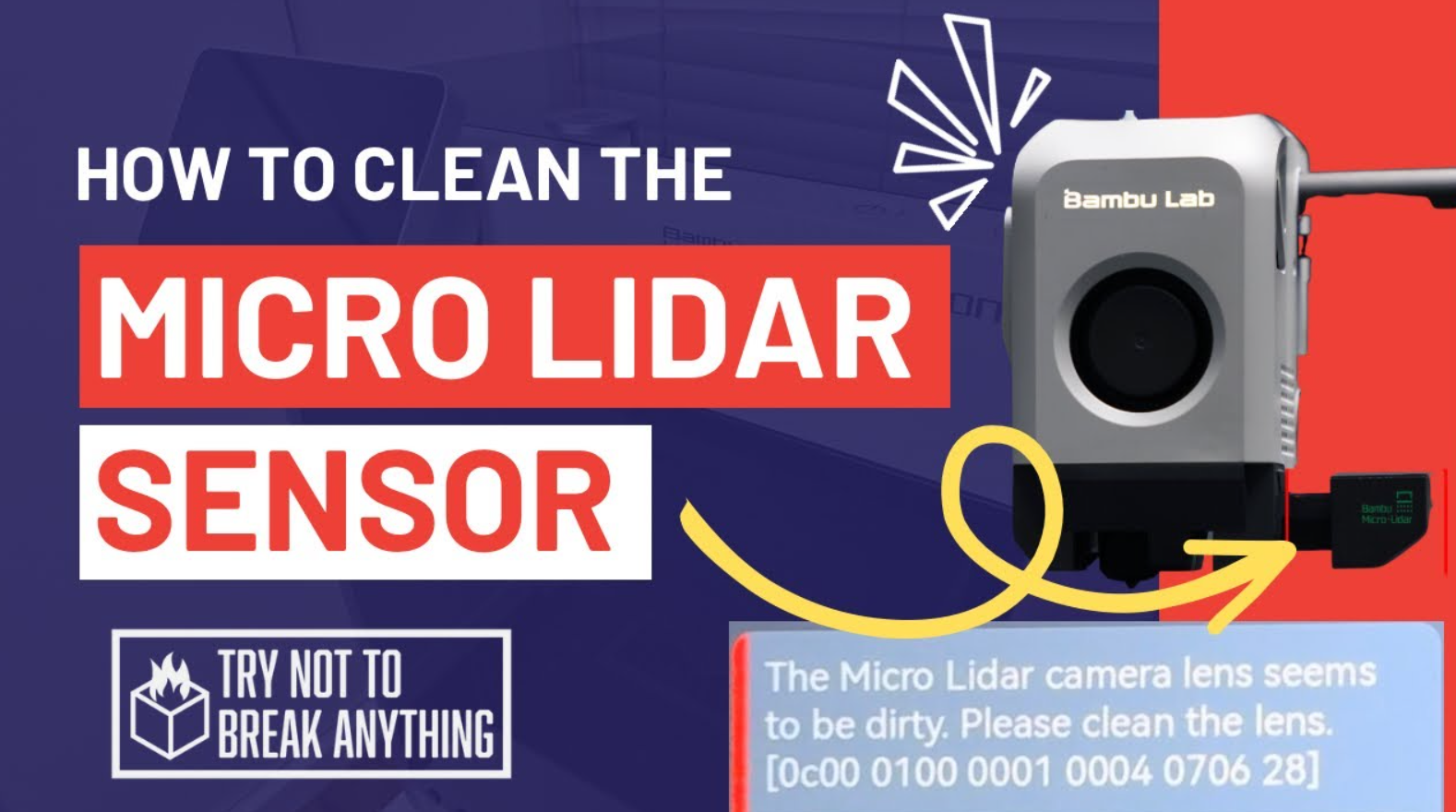
A thin film of warehouse particulate settled over the LiDAR window on AMR unit #127. The robot didn't fail—it kept moving, technically "online" according to the fleet dashboard. But it couldn't see properly anymore. Misrouted pallets. Three near-miss incidents. Two emergency stops. Eventually, a 40-minute line shutdown while operations scrambled to figure out why a "functioning" robot was causing chaos.
This is the invisible tax on warehouse automation as the market races toward $30 billion by 2030. Sensor contamination accounts for 8-12% of robot downtime, but almost nobody's productized the solution.
A subscription service maintaining sensor health on AMR fleets generates $3,000-$8,000 per month per facility.
You're not selling cleaning. You're selling verified uptime with an audit trail—a critical compliance layer riding on top of a $30B automation stack where one prevented downtime event (at $1,000-$10,000 per minute) pays for months of service.
The "Soft Failure" Problem Nobody Tracks
Warehouse robots don't just break—they degrade.
When a LiDAR window or safety camera accumulates grease, dust, or condensation, the robot doesn't throw an error code. The perception system just quietly gets worse. A safety sensor detecting objects at 12 feet drops to 9 feet. A camera-based barcode scanner running at 99% accuracy slides to 92%, then 85%.
The robot keeps running. The dashboard shows green. Throughput mysteriously tanks.
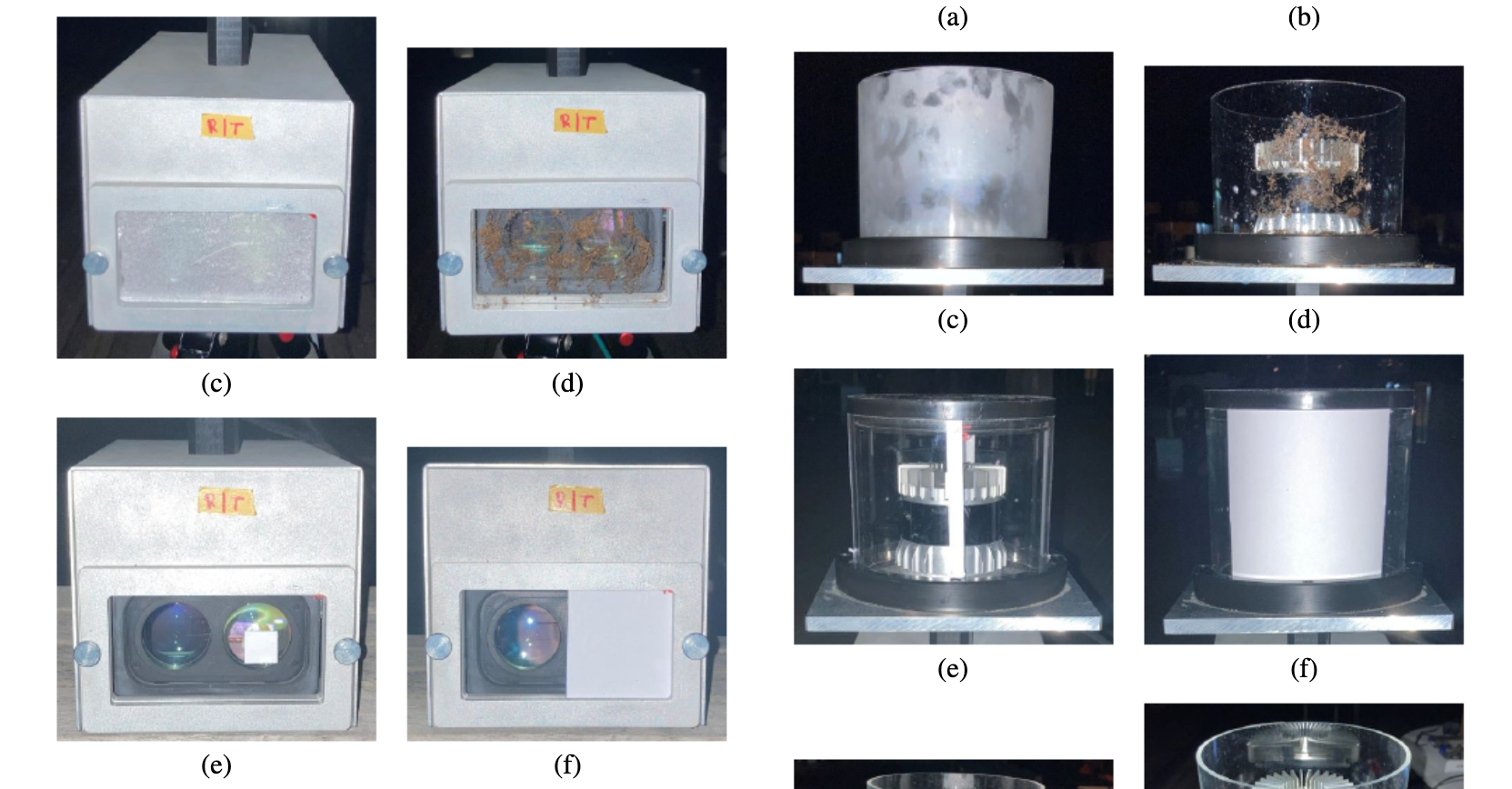
Research on autonomous vehicles explicitly documents that LiDAR sensors "are prone to malfunction over time as contaminants are introduced into the sensor's cover." The same physics applies to warehouse AMRs, except warehouse environments are worse—dust, grease, temperature fluctuations, and no windshield wiper equivalent.
Warehouse operators call these "mystery downtime events." Industry data shows sensor malfunctions (contamination, misalignment, degradation) cause 8-12% of robot downtime. In facilities where unplanned stoppages cost $1,000 to $10,000 per minute, even a few degraded units bleeding efficiency across a 50-robot fleet compounds into six figures annually.
Why OEMs Punt This to Customers
Robot manufacturers build robots. They sell robots. They'll train your team on operation and send a tech for major repairs.
But routine sensor hygiene? That's your problem.
OEM maintenance docs include cleaning schedules and general instructions—"wipe LiDAR windows weekly with approved materials"—but they don't execute it, audit it, or generate compliance documentation. System integrators and facilities vendors will bundle basic cleaning into broader contracts, but nobody's treating "sensor health + audit trail" as a standalone, multi-OEM product.
Current approaches fall into predictable traps: generic facilities crews using household cleaners on $80,000 robots (voiding warranties), waiting for failures then dispatching expensive OEM techs, or operations staff improvising between shifts with no documentation.
The outcome warehouse operators actually need—verified sensor health that prevents soft failures and generates audit-ready reports—doesn't exist as a category.
Sensor Health as a Service
You're not building a cleaning company. You're productizing perception uptime as a compliance layer.
The opportunity splits into three stages:
Stage 1: SOPs as Intellectual Property

Unlock the Vault.
Join founders who spot opportunities ahead of the crowd. Actionable insights. Zero fluff.
“Intelligent, bold, minus the pretense.”
“Like discovering the cheat codes of the startup world.”
“SH is off-Broadway for founders — weird, sharp, and ahead of the curve.”


