


On July 4, 1996, Hotmail flipped the switch on a new promise: email that lived on the web, free, usable from anywhere.
Jack Smith and Sabeer Bhatia celebrated like broke engineers do—lunch at Chili's, a laptop with a janky radio modem, refreshing signups like it was a heart monitor. The counter ticked up: 100… 200… then more after the movie. Word of mouth was working, but the growth curve stayed flat.
Then their investor, Tim Draper, asked a question that sounded obvious and felt unethical: "Can't you put a message at the bottom of every email?"
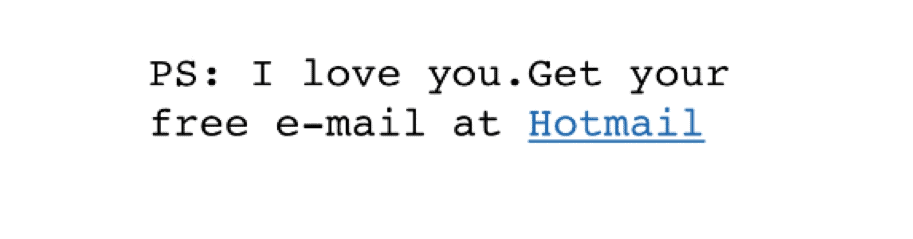
They resisted. The idea felt like graffiti on someone's private letter. Draper pushed anyway—he wanted each outbound email to carry Hotmail's pitch to recipients who'd never heard of it, compounding with every sent message.
When they finally added the line (minus the cringey "P.S. I love you"), growth snapped into a hockey stick.
Hotmail built distribution into the product itself. Every email became free advertising, spreading through existing social graphs. Each user recruited others without trying.
The insight: don't create the flow, find where it already exists and add the missing piece.
Hotmail didn't invent email—people were already sending messages. They just added the signature that turned routine behavior into a growth engine. TikTok food videos work the same way in reverse. The attention is already there—millions of views, real purchasing intent, comment sections flooded with "where do I buy this?" Baked feta went viral. Then cottage cheese. Trader Joe's kimbap. Most recently: a sweet potato and cheese block that emptied shelves nationwide.
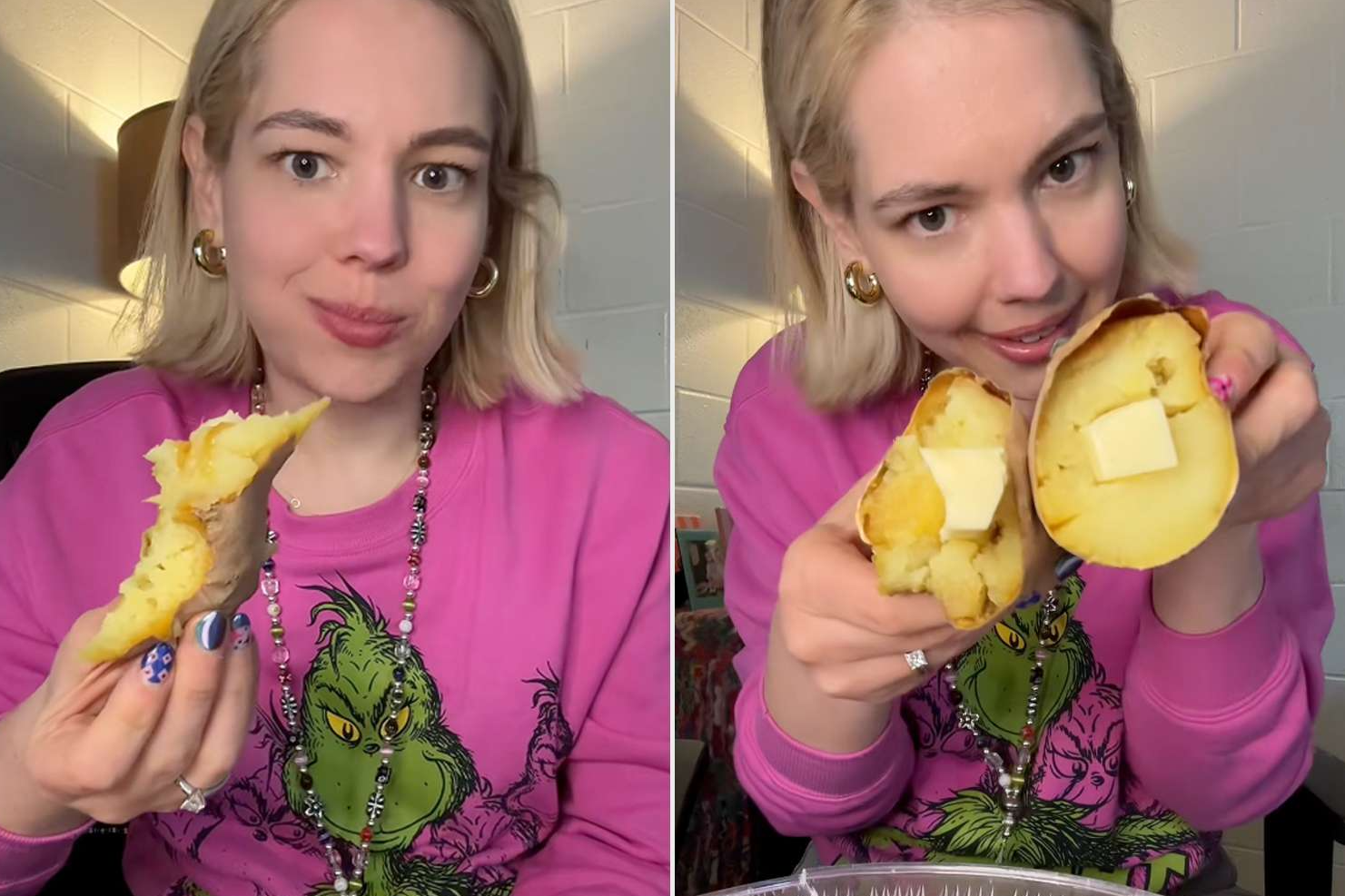
The pattern is consistent. A creator posts, attention spikes, grocery stores scramble, and nowhere in that chain is there a clean path from video to checkout.
The opportunity: add the "PS" for them—an "official cart" link that creators pin to viral food content. It builds shoppable bundles from what's actually in stock locally, with smart ingredient swaps when the hero item sells out. Syphon off the flow and add structure.
Creators make the demand. You build the checkout.
Read the full playbook here:
A century-old German cheese is selling out because a high school English teacher in Georgia found the laziest lunch in America. Viral recipes consistently cause grocery sellouts. The rails for shoppable content exist—but no one owns the trend-to-cart attribution layer yet.
From the Vault:
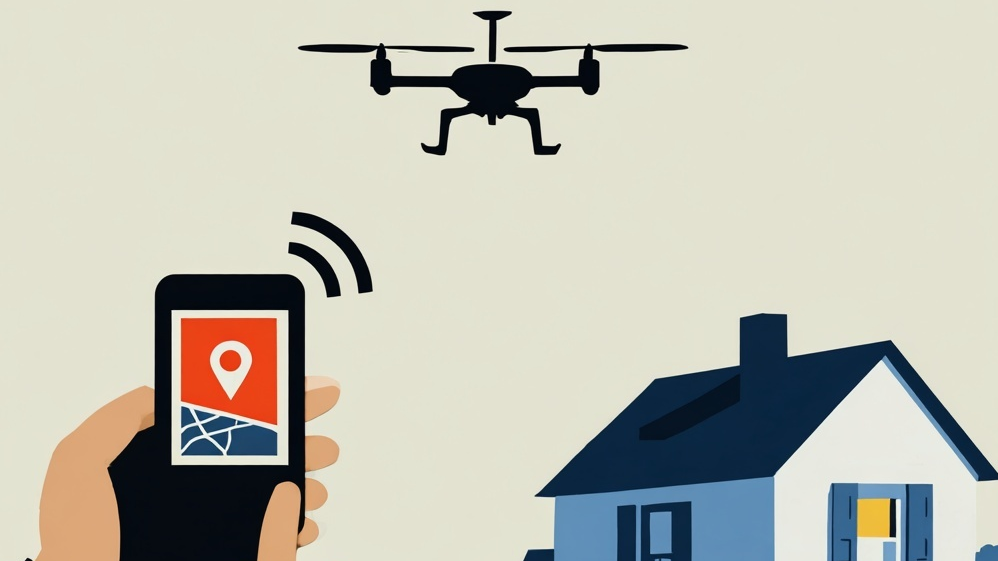
Remote ID broadcasts create a receipt layer for overhead drones. Consumer detection hardware doesn't exist. Neighborhood network effects make shared airspace truth defensible.
Job boards sell hope without proof. Regulators want disclosure. Build the hiring internet's "nutrition label" for jobs. Start as a ghost-job detector. Finish as the verification standard.


