


In the peak of the rare plant bubble, collectors were paying used-car prices for leaves.
Variegated monsteras and ultra-rare aroids were trading hands for $5k–$15k a plant. Instagram pages looked like Sotheby's catalogs. There was smuggling, poaching, and gatekeeping masquerading as "botanical expertise."
Then a YouTuber with jars of nutrient gel blew it up.
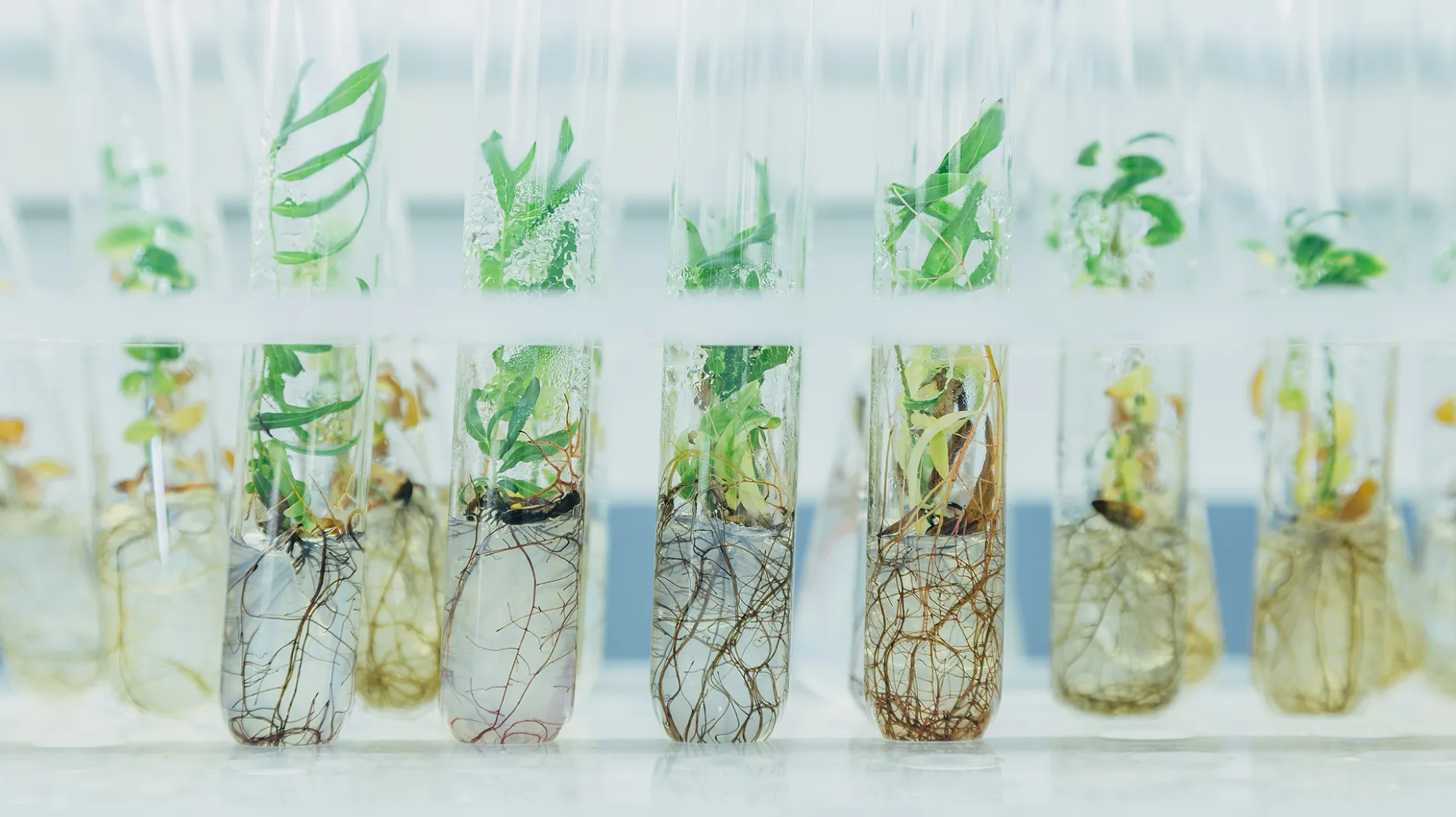
"Plants in Jars"—a creator named Laur with a finance degree, not a biology PhD—started posting tissue culture tutorials. Take a tiny bit of plant tissue, sterilize it, drop it into nutrient gel, and grow hundreds of genetically identical clones in your spare room. She bought a $125 Begonia, cloned it into 50 plants worth over $6,000 in 60 days, and documented the whole thing on YouTube.
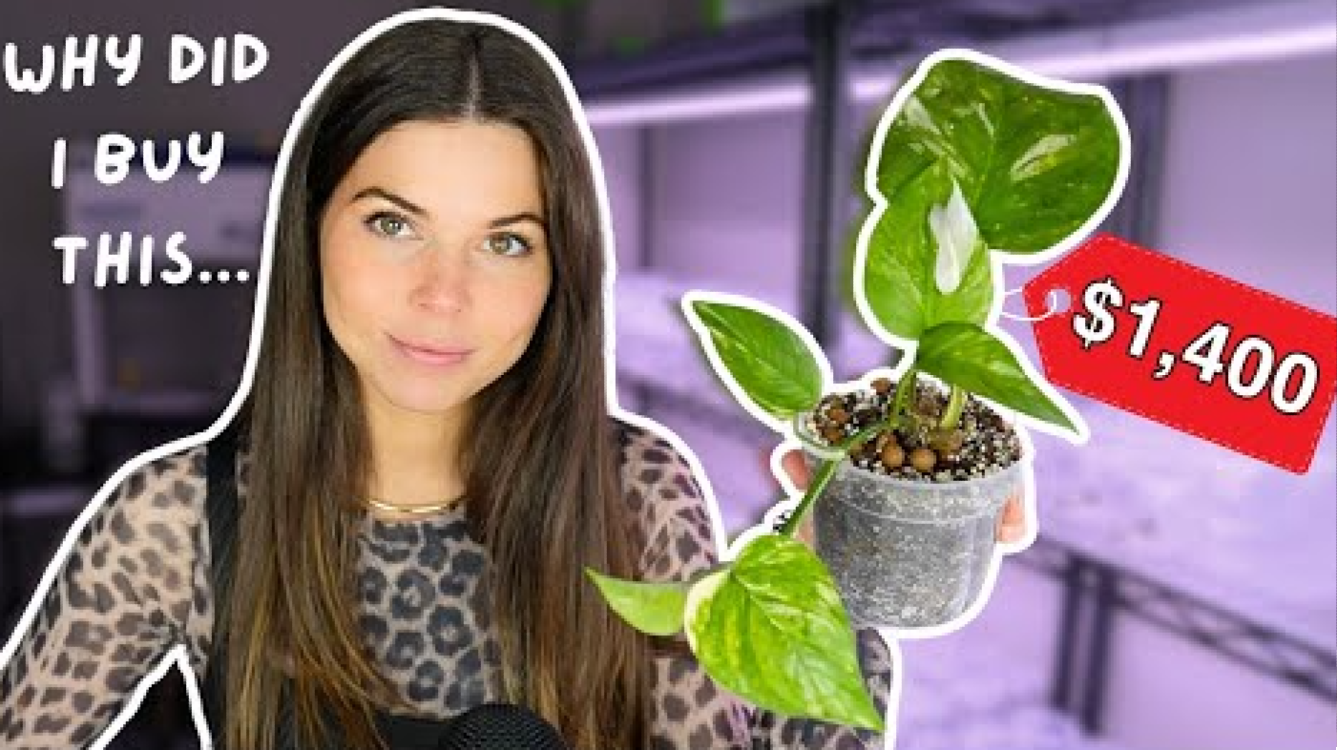
Now she runs a 144,000-subscriber channel, a 6,000-member Discord, and sells starter kits. Her tutorials helped crash prices across the rare plant market. A Monstera that sold for $500 in July 2024 was down to $250 by November. The era of gatekeeping rare plants, she says, is over.
The crash collapsed artificial scarcity in a market built on gatekeeping and smuggling. It undercut illegal plant poaching by making lab cloning accessible to anyone with a spare closet. And it moved the real money up the stack—away from one-time $15k plants and toward the tools, kits, media, and skills that enable the cloning itself.
The opportunity isn't replicating her plant channel. It's building the Ethical Clone Lab infrastructure across multiple niches—turning guarded lab techniques into creator-friendly kits, courses, and communities that anyone can use.
Labs Are Moving Into Living Rooms
Plants in Jars isn't an outlier. Serious science is becoming hobbyist-accessible.
Science and STEM kits are exploding. The global STEM toys market hit $5.5-6 billion in 2024 and is projected to reach $13 billion by 2032, growing at 9% annually. The broader K-12 instructional toy market—which includes science kits, robotics, and hands-on learning tools—was $71 billion in 2024 and is forecast to hit $173 billion by 2034. Parents, schools, and adults are leaning hard into hands-on STEM and "serious hobbies."
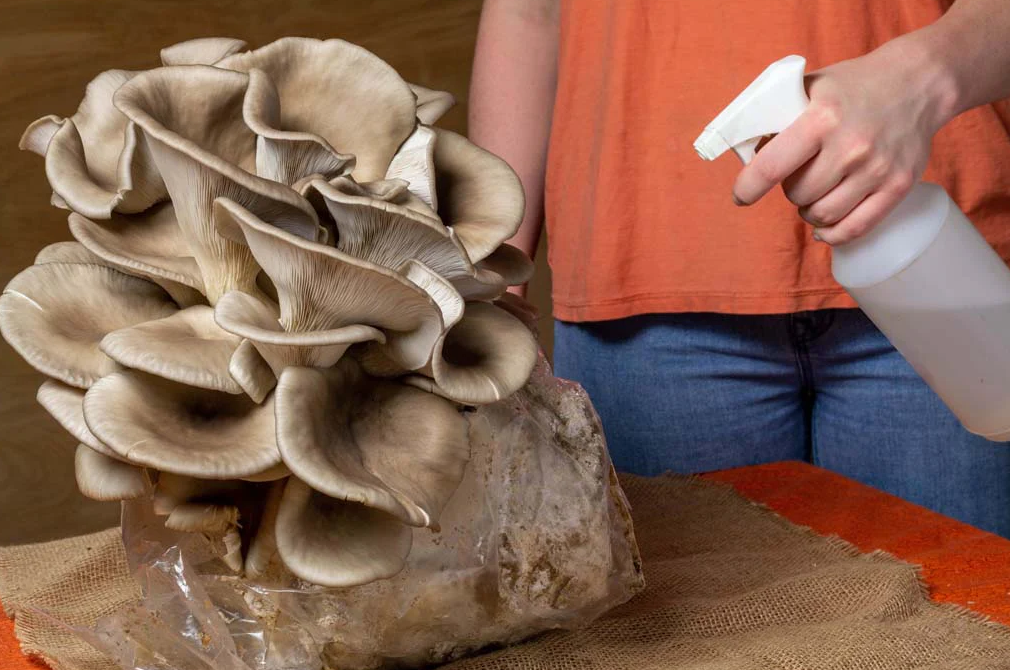
Mushroom grow kits are already massive. The home mushroom grow-kit market itself sits at $1-1.2 billion and growing fast, but that's just hobbyists buying plastic boxes. The broader mushroom market—fresh, processed, functional—is $65 billion in 2024 and projected to hit $150+ billion by the mid-2030s. Within that, the functional mushroom segment alone (supplements, wellness products, food ingredients) is $31-33 billion in 2024, projected to hit the low-$60 billions by 2030-2033. There's massive downstream demand for people who can actually deliver clean, repeatable supply.
DIY tissue culture is a legit hustle. Specialist suppliers actively pitch plant tissue culture as a side business. Plant Cell Technology sells complete starter kits for $120 and says you can get going for under $300 total. They claim small operations producing 2,000 plantlets per month at $5 each can generate $10,000 in monthly revenue with 30-60% profit margins after media and labor costs. People in plant communities openly discuss using tissue culture to relieve poaching pressure and absurd prices in rare plants.
The equipment is cheap and getting cheaper. A basic tissue culture setup—sterilization gear, media, vessels, growth hormones—used to require a professional lab. Now you can order everything on Amazon and set up in a spare closet. The same democratization that turned garages into podcast studios is turning spare rooms into micropropagation labs.
When you kill scarcity, the asset (the plant, the mushroom, the coral) gets cheaper—but the infrastructure (kits, skills, community, consumables) gets more valuable.
From "Plant Kit" to Cross-Niche Platform
The long-term vision is a cross-niche platform. But you start narrow.
The ecosystem right now is fragmented: dozens of tiny vendors selling isolated kits (tissue culture boxes, mushroom kits, coral frag tools, fermentation gear), education scattered across random YouTube channels and Reddit posts, each niche treating itself like its own weird little island.
The eventual build is a cross-niche platform—the place you go to learn lab-grade propagation and cloning skills ethically at home. Think Shopify's infrastructure married to MasterClass's creator-education model, with the serious, trustworthy kit-supplier vibe of B&H Photo. Ethical cloning and propagation across verticals: plants, gourmet/medicinal mushrooms, coral fragging, specialty ferments, advanced gardening.
That's Year 2+ territory. First you prove the model works in one vertical with real customers, real success rates, real refill purchases. Master mushrooms (or plants, or coral) before you try to own the entire "ethical lab" category.
Three Asymmetric Advantages
Unlock the Vault.
Join founders who spot opportunities ahead of the crowd. Actionable insights. Zero fluff.
“Intelligent, bold, minus the pretense.”
“Like discovering the cheat codes of the startup world.”
“SH is off-Broadway for founders — weird, sharp, and ahead of the curve.”


