


The "coffee break" feels like one of those things that's always existed — like gravity, or office small talk.
But the phrase only starts showing up in print in the 1940s. The institution — the break as a named, legitimized, schedulable unit of work — got industrialized later by a group you've probably never heard of: the Pan-American Coffee Bureau.
Formed in 1937 to sell more Latin American coffee into the U.S., the Bureau didn't just run ads. In 1952, they ran a memetic operation.
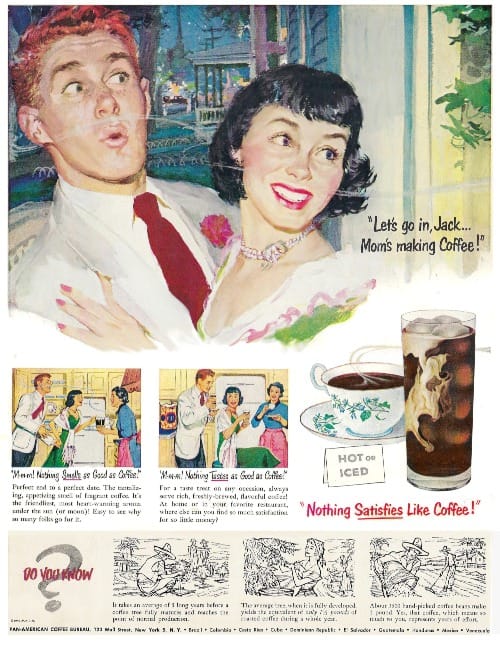
They pushed a single, boss-friendly idea: a coffee break makes work better. It's productivity infrastructure, not stolen time.
"Give yourself a coffee break — and get what coffee gives to you."
Most "habits" don't spread because they're healthy. They spread because they get permission. A ritual becomes real when it acquires a name, a socially acceptable script, and institutional backing. Official behaviors stop feeling like indulgence and start functioning as standard practice.
The pattern holds across domains: if a trade group can turn a pause into workplace infrastructure, the same mechanics apply to what everyone's silently short on today — structured mental resets.
Today's Featured Opportunity is Strava for Mental Resets — a simple system that turns "I should take a break" (vague, guilty, negotiable) into an official, trackable, shareable ritual.
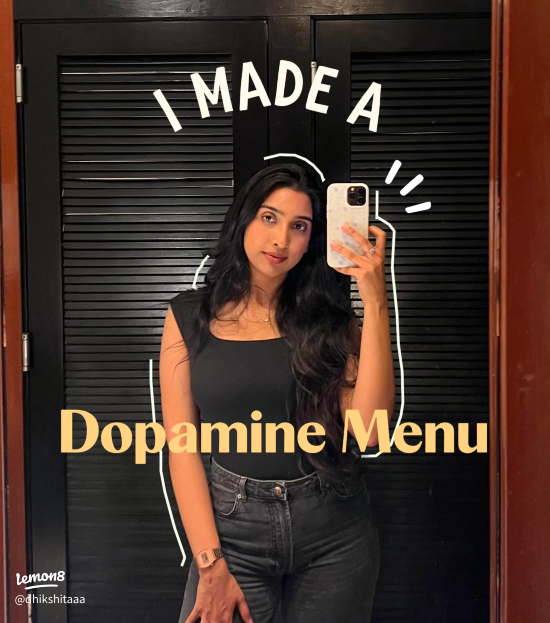
The product: a personal "reset menu," quick guided actions, streaks, light social proof, and templates that make the right choice frictionless when your brain is cooked.
This is a high-leverage, low-complexity wedge: start consumer, then sell teams the "workplace reset protocol" they wish HR could enforce.
At $8–$15/month, a few thousand paying users is already real money. Add B2B seats and it can compound fast — without needing meditation-app scale.
You're selling permission, backed by data.
Read the full playbook here:
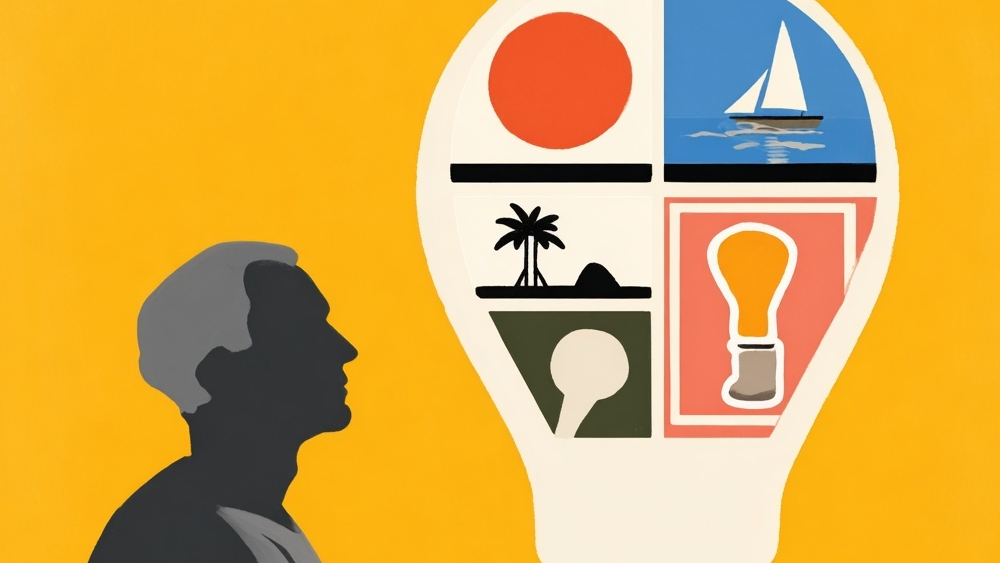
Everyone's selling dopamine menu templates. The real opportunity: build the social layer where people discover, fork, and share their reset rituals.
From the Vault:
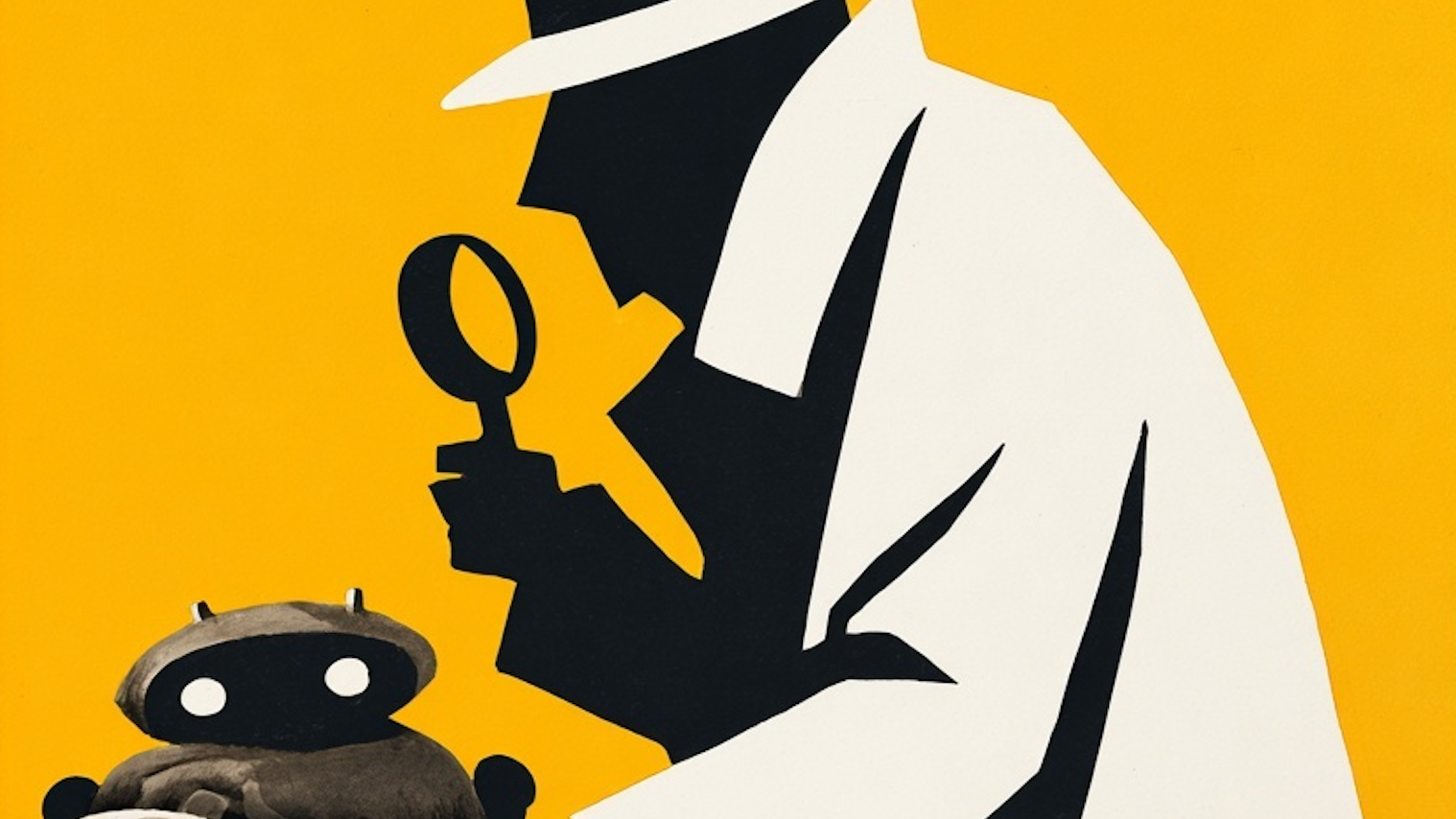
AI-generated content now sits at 17-19% of search results. RAG teams manually rebuild allowlists. Build the trust graph as infrastructure before specialized data providers do.
E-ink monitor displaying crisp text, macOS menu bar, eye strain relief icon, Dasung company logo, VS Code editor interface


