


Every city has that one weird room.
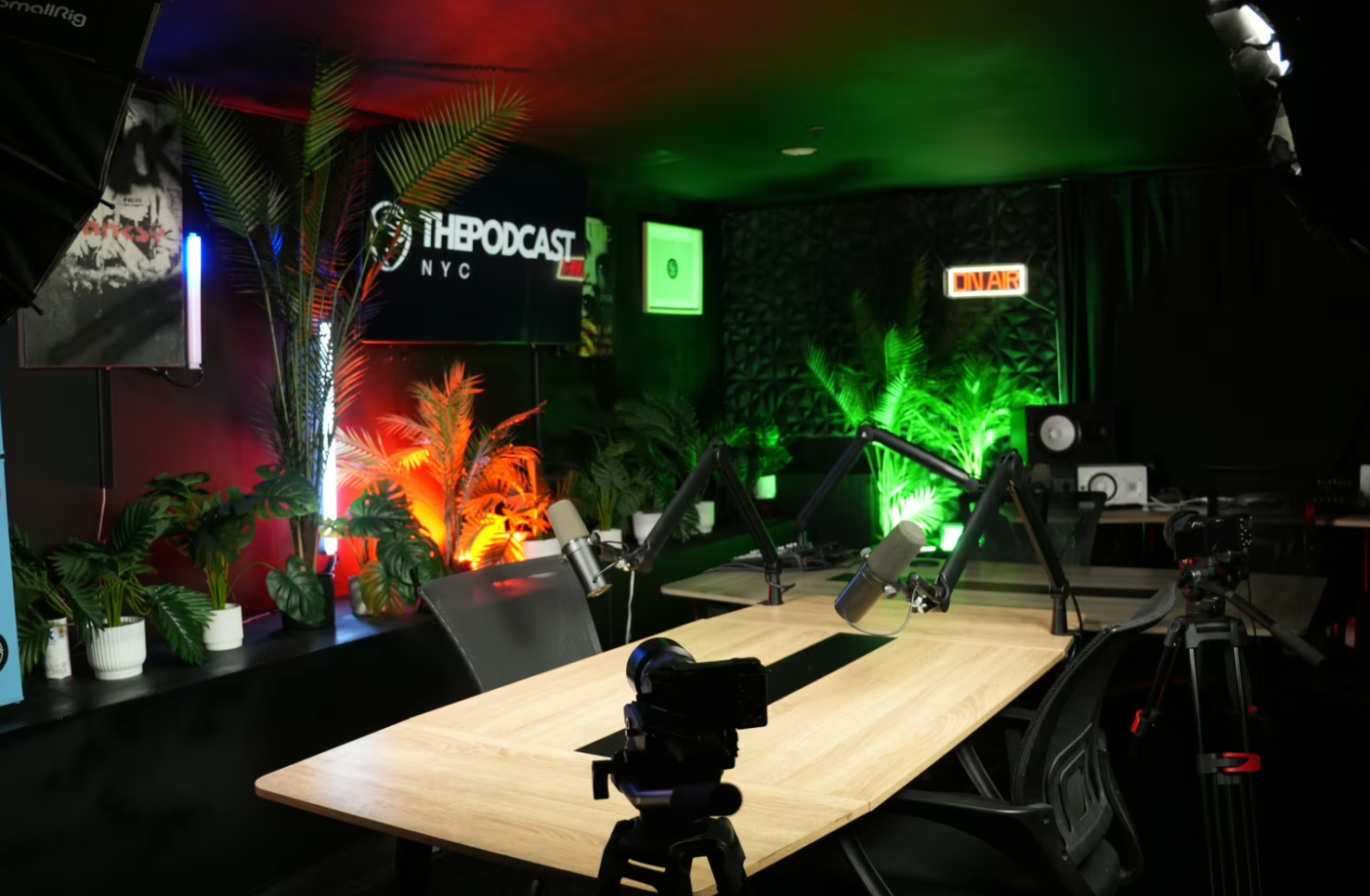
The church basement with cinema-grade projectors and a soundboard that looks like a 747 cockpit. The coworking space with a gorgeous podcast room that sits empty 90% of the week. The university media lab that's booked solid during midterms and a ghost town the rest of the year.
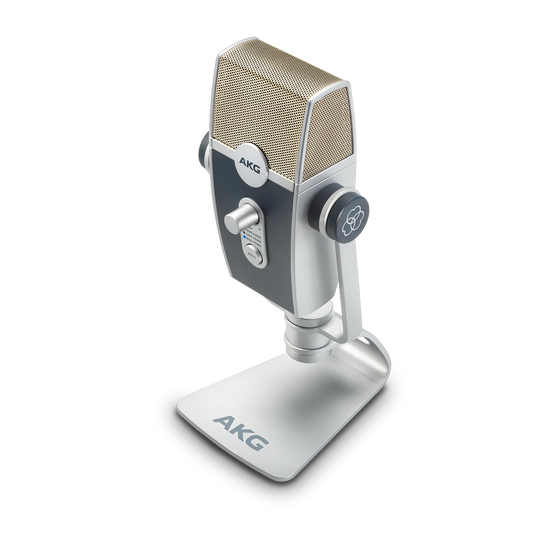
Meanwhile, around the corner, some creator is recording their "big" podcast on a $60 USB mic in a noisy kitchen because they "can't afford a real studio."
That mismatch—empty pro gear on one side, hungry creators on the other—is a multi-billion-dollar gap hiding in just one layer of the creator stack.
And the big guys have quietly started to move.
The Signal from the Top of the Market
A company called NECF just launched MediaXBook, an AI-driven marketplace that turns idle control rooms, edit bays, satellite capacity, and production talent into revenue. They peg the addressable media and creator production market at more than $500 billion and position their product as a "trading desk for media capacity."
That's Wall Street-scale language for: "Unused production capacity is now an asset class."
NECF's COO Princell Hair put it plainly: the platform monetizes assets that were previously deadweight on the balance sheet, and their AI solution provides the scale the industry needs. The platform is designed for news and broadcast, sports and live events, film and studios, corporate and non-profit, and content creators and streaming platforms. It's currently in private beta with global partners joining this quarter.
At the same time, the creator economy numbers are stacking up fast:
- The global creator economy was valued at roughly $205 billion in 2024 and is projected to reach somewhere between $480 billion and $1.3+ trillion by the early 2030s, depending on which analyst you trust. Multiple forecasts peg compound annual growth between 20–23%.
- There are now 200+ million content creators worldwide. In the U.S. alone, over 45 million work professionally at content creation.
- Nearly half of all creators—about 46.7%—now work full-time on content.
- U.S. creator ad spend hit $29.5 billion in 2024 and is projected to reach $37 billion in 2025—a 26% year-over-year increase that's growing roughly 4x faster than the overall media industry (which is growing at 5.7%).
- Nearly half (48%) of ad spenders now consider creators a "must buy," ranking only behind social media and paid search.
- U.S. influencer marketing spending alone will surpass $10 billion in 2025, one year earlier than previously predicted.
The top of the market is crystal clear: creator production is massive, growing at an absurd clip, and the people with the big toys—broadcast gear, cloud capacity, pro crews—now treat "unused time and racks" as something you should actively trade.
But here's the asymmetric opportunity:
Nobody is organizing the neighborhood layer.
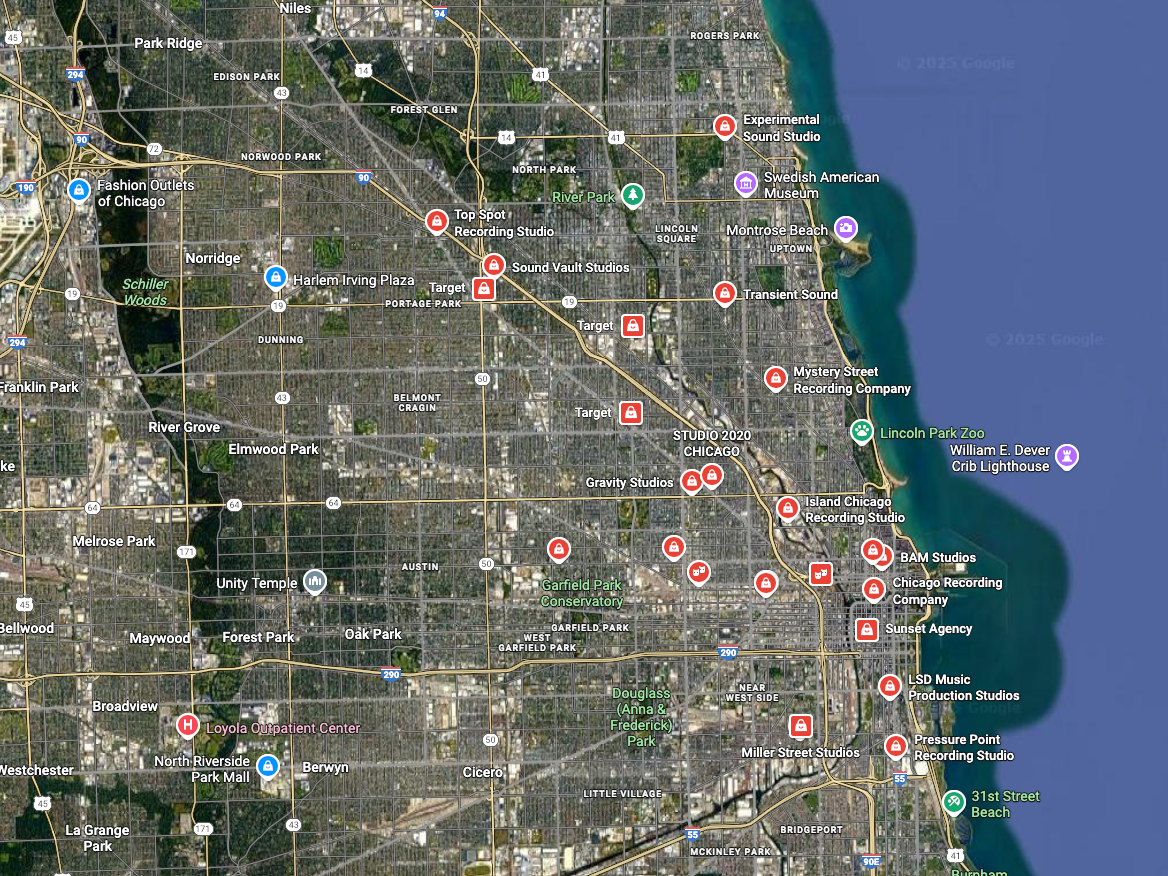
Big platforms like NECF chase broadcasters and global sports networks. Traditional marketplaces like Peerspace chase "rooms by the hour." Almost no one is turning the church basement, the coworking podcast room, the indie studio, and the AV nerd's garage into a standardized local grid for creators.
That's the heist.
The Local Creator Capacity Exchange
Forget "Airbnb for podcast studios." That's too small and too commoditized.
The better move: build a Local Creator Capacity Exchange in one city, then clone the playbook.
Core idea: You don't sell "3 hours in a room." You sell finished outcomes, delivered in weird but wonderful spaces that would otherwise be idle.
Think SKUs like:
"Season in a Day" — Show up, record 4 podcast episodes plus intros and ad reads in a single session. Walk away with leveled audio, show notes, and clip marks.

"20 Clips in a Morning" — Batch record hooks and talking-head riffs for TikTok/Shorts/Reels in a 3-hour sprint, pre-templated for vertical.
"Founder Story Shoot" — Two-camera sit-down plus B-roll in a simple, repeatable format that agencies can resell to their clients.
Each SKU bundles: Room + Operator + Workflow + Basic Post
The church AV team, the coworking space, the indie studio owner—they all become "nodes" in your network. You set the standards; they supply the bricks.
Why This Works (And Why Now)
1. Demand is there, but fragmented.
Creators already rent studios on platforms like Peerspace for anywhere between $20–$200/hour depending on city and setup. Recording studios on the same platform average $60–$180/hour. Production studios run $50–$125/hour in major cities.
But what they're buying is hours, not outcomes. They still have to bring an engineer, define a format, and chase an editor.
The disconnect isn't about price—it's about format. Creators don't want to rent time. They want to show up, talk, and walk away with finished content.
2. Supply is bigger than anyone thinks.
- Coworking spaces built podcast rooms as "amenities" that mostly sit empty.
- Churches and event venues have shockingly good AV setups used for a few hours a week.
- Universities and high schools have media labs underutilized outside semester peaks.
- Hundreds of indie studios survive on a mix of music, film, and random bookings—they'd kill for predictable weekday packages.
3. Big players can't be bothered (yet).
Enterprise-level capacity trading is messy enough; nobody at NECF wants to negotiate with the youth pastor who controls the mixing board. Their sales motion will stay up-market for a long time.
4. Creators are moving from "DIY" to "DFY."
The first wave was "buy a mic and figure it out." The second wave is "I'll pay to show up, talk, and get a link in my inbox." Time is the scarcest asset, not gear.
Podcast production services already charge significant fees: entry-level editing runs $15–$50 per hour of audio from freelancers, while agencies charge $85–$500+ per episode for full production. Some charge $199–$499/month for ongoing packages. The market has clearly signaled that creators will pay for expertise.
This is the local infrastructure layer of the creator economy. Once someone standardizes it, it will look obvious in hindsight.
Business Model: From City Play to Multi-City Rails
You have two paths here:
- Lifestyle-plus heist (one city, $500K–$1M ARR with great margins and flexible life), or
- Infrastructure play (multi-city, eventually software + marketplace + memberships)
Unlock the Vault.
Join founders who spot opportunities ahead of the crowd. Actionable insights. Zero fluff.
“Intelligent, bold, minus the pretense.”
“Like discovering the cheat codes of the startup world.”
“SH is off-Broadway for founders — weird, sharp, and ahead of the curve.”


