


The Heist
A distributed micro-factory network for laser cutting + engraving.
Etsy as the first demand tap.
The Window
The U.S. personalized gifts market sits near $9 billion. A third of all Etsy transactions involve personalized items, with millions of custom orders flowing through a platform of nearly 90 million active buyers — produced almost entirely by solo operators working from garages and spare bedrooms.
a single laser-cut acrylic welcome sign retails for $85 on a $12 material cost. At a 21% platform take rate, that's $18 per job with zero equipment ownership.
Layer in rush premiums of 30–50% for event deadlines and same-day delivery, and you're looking at $20K–$100K MRR once you hit density in a few metros.
The infrastructure play prints margin because you never touch a machine.
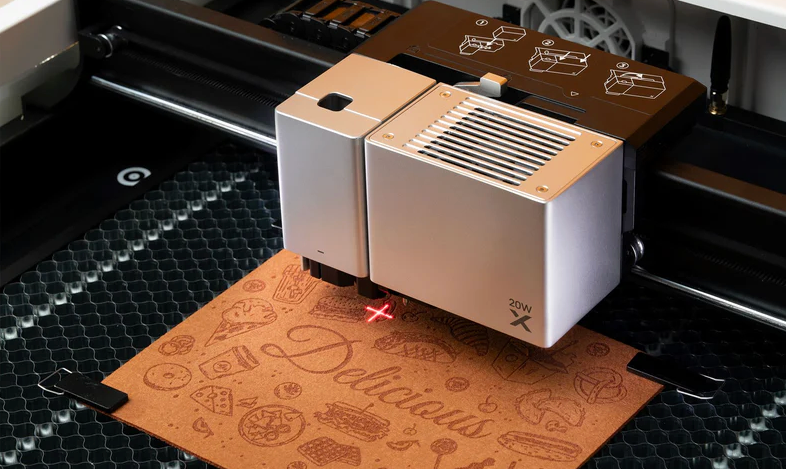
The machines behind those products have never been cheaper. A prosumer CO₂ laser from xTool delivers 55W of cutting power at 600mm/s engraving speed in the mid-$4K range — a rig that would have cost triple five years ago. Glowforge, OMTech, Flux, and others have flooded the market at every price point. The global laser engraving equipment market is worth roughly $2 billion and growing at a 7% clip toward 2030. The result is a massive distributed fleet of production-grade hardware sitting in homes and makerspaces nationwide, most of it running well below capacity.
Delivery expectations have compressed permanently. "Handmade" used to buy sellers time. Now Etsy shoppers expect Amazon-speed tracking. A custom acrylic wedding sign ordered in Atlanta from a seller in Portland takes 5–7 days in transit, plus production time. For event décor, corporate gifts, and last-minute personalized items, that timeline kills the sale.
This is the same structural setup that created the ghost kitchen boom: underused capacity, fragmented demand, no coordination layer. Ghost kitchens reached roughly $65 billion globally in 2024, heading toward $145 billion by 2030. They proved that standardizing distributed production and compressing the distance between making and delivering can reshape an entire category. The catch: fabrication jobs are more heterogeneous than food orders — materials, tolerances, file correctness — so QA and pre-flight are far more central here. That increases ops cost early but deepens the moat if you nail it.
The opportunity is the coordination layer for personalized physical goods.
Why a Marketplace Won't Work (and What Will)
The instinctive pitch is "Airbnb for Glowforge." But peer-to-peer production marketplaces keep failing, and the reasons are structural.
Local density. Most sellers won't generate enough orders per city to keep operators busy. Without volume, operators churn. Without operators, the network dies. This is the main failure mode of previous "Airbnb for machines" attempts.
Workflow mismatch. Platforms like Etsy assume one seller-of-record, one origin. Splitting design and production across two parties adds friction, edge cases, and liability questions that a peer listing can't absorb.
Quality variance kills networks. The moment a buyer gets a poorly finished engraving from an unknown operator, they blame the platform. A single bad job triggers refunds, disputes, and reputational damage. The winning platform won't be the one that lists laser owners. It'll be the one that standardizes fulfillment so buyers trust the output regardless of which node produced it.
Here's the real business:
Unlock the Vault.
Join founders who spot opportunities ahead of the crowd. Actionable insights. Zero fluff.
“Intelligent, bold, minus the pretense.”
“Like discovering the cheat codes of the startup world.”
“SH is off-Broadway for founders — weird, sharp, and ahead of the curve.”


