


Picture an M&A partner at 11:47 PM, staring at a 140-page purchase agreement. Eight minutes with an agent could extract every change-of-control clause, highlight indemnities, flag risks, generate the redlines checklist.
She doesn't do it.
The moment she pastes anything into ChatGPT, she's created exposure: unlogged work product, no audit trail, potentially disclosable in discovery. A data leak vector that security can't see.
Multiply that scenario across every wealth advisor drafting client memos, every analyst crawling a data room, every recruiter screening resumes. Professionals using consumer tools because they need the leverage but can't afford the exposure. And it's spreading faster than compliance teams can write policies.
The SEC just crossed $2 billion in recordkeeping penalties since December 2021—not for using AI, but for failing to capture communications. When AI-assisted work becomes examinable, compliance officers won't buy vibes. They'll buy infrastructure.
Three forces colliding
Regulators trained the market to fear unrecorded work
The SEC's recordkeeping crackdown shows no signs of slowing. Fiscal 2024 alone brought cases resulting in over $600 million in penalties against more than 70 firms. Since the initiative began in December 2021, charges have hit over 100 firms for more than $2 billion total.
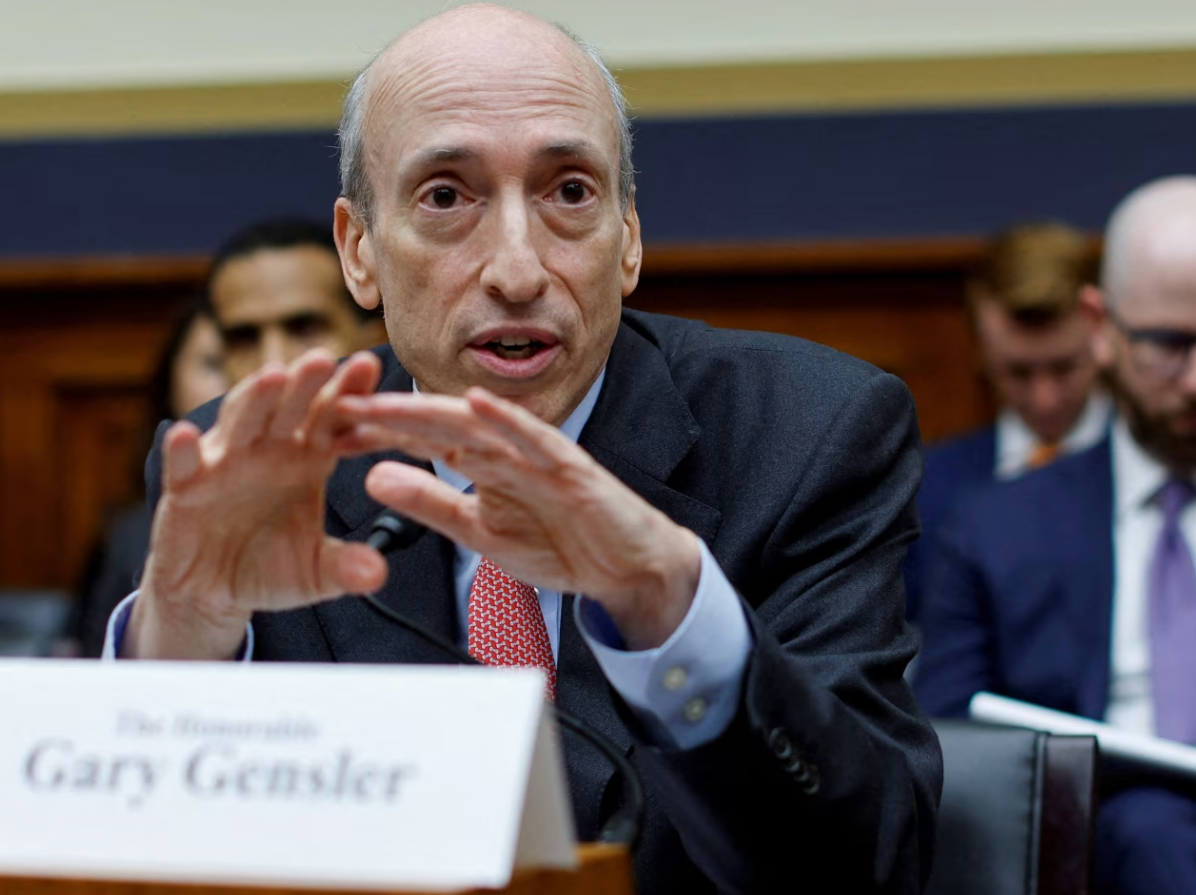
January 2025 delivered another round: 12 firms paying over $63 million combined for off-channel communications. Apollo, Blackstone, Carlyle, KKR—nobody's too big to get hit. One firm self-reported and saw reduced penalties. The rest paid full freight.
Firms without defensible processes for AI-assisted work face the same exposure once regulators extend recordkeeping expectations to work product.
Big players are betting browsers become the control point
Enterprise browsers already exist with serious money behind them.
Island raised $250 million at a $4.8 billion valuation in March 2025. The Series E came less than a year after doubling from $1.5B to $3B. The Dallas-based company emerged from stealth in February 2022 and now has 450 customers including seven of the ten largest U.S. banks. Annual recurring revenue has more than doubled every year since launch.
Palo Alto Networks acquired Talon Cyber Security for $625 million in late 2023, integrating its enterprise browser into Prisma SASE. The acquisition, just two years after Talon's founding, validated that securing work at the browser layer is critical infrastructure.
Atlassian acquired The Browser Company for $610 million earlier this year, framing it around the AI-browser future of knowledge work.
The budgets exist. The category is proven. The opportunity is redirecting that spend toward agent-safe workflows.
Agentic browsing is entering the security backlash phase
Capability moved faster than safety, and the gap is now visible.
OpenAI's CISO Dane Stuckey acknowledged in late October 2025 that "prompt injection remains a frontier, unsolved security problem" and that "adversaries will spend significant time and resources" to exploit ChatGPT's agent capabilities.
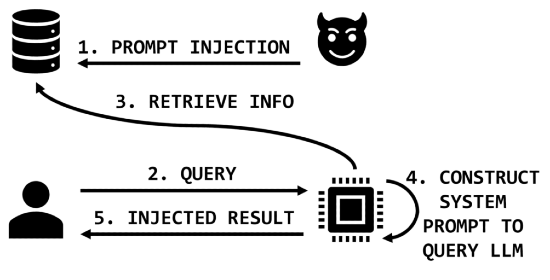
Brave's security team documented "unseeable" prompt injections—malicious instructions hidden in content as white-on-white text or embedded in screenshots. Their research across Perplexity's Comet, OpenAI's Atlas, and other agentic browsers found the same pattern: indirect prompt injection is "a systemic challenge facing the entire category."
Google's Chrome security team called indirect prompt injection "the primary new threat" for agentic browsing and is deploying layered defenses including a separate "User Alignment Critic" model to veto misaligned actions.
Then Gartner dropped the hammer. In December 2024, the firm published "Cybersecurity Must Block AI Browsers for Now," recommending that CISOs block all AI browsers "for the foreseeable future" because default settings "prioritize user experience over security."
Gartner's warning carries weight. According to Cyberhaven research, within weeks of ChatGPT Atlas launching, 24% of organizations already had at least one user with it installed, with some enterprises seeing up to 10% of employees actively using it.
When capability gets fast and safety gets late, the unsexy infrastructure layer becomes the real opportunity.
Positioning: private agent runner becomes compliant workspace
Sell remediation for shadow AI, not agents.
A local-first workstation with logging, redaction, and audit trails. The category-creating move is selling attestable automation—every action the agent takes becomes provable evidence: what it saw, what it clicked, what it extracted, which model produced the output, whether a human reviewed it, what policies governed it.
In regulated environments, logs aren't exhaust. They're the product. But "logs" means something specific: tamper-evident event streams, signed session replays, chain-of-custody for artifacts, immutable retention semantics that satisfy WORM requirements, supervision workflows, and eDiscovery-ready exports that plug directly into the systems firms already use for archiving and GRC. Provenance isn't just tracked—it's the moat.
What actually gets built
The core is a locked "agent workstation" that feels like a trading terminal—a dedicated workspace where agents operate with strict boundaries.

Unlock the Vault.
Join founders who spot opportunities ahead of the crowd. Actionable insights. Zero fluff.
“Intelligent, bold, minus the pretense.”
“Like discovering the cheat codes of the startup world.”
“SH is off-Broadway for founders — weird, sharp, and ahead of the curve.”


