


In the 1930s, Coca-Cola had a winter problem. Nobody wanted a chilled drink when the weather turned brutal. So instead of fighting seasonality, they did something bold: they rebuilt a myth.
Before Coke, Santa wasn’t the jolly red giant we recognize. He was a patchwork of European folklore—sometimes tall and thin, sometimes dressed in brown or green. Coca-Cola hired illustrator Haddon Sundblom to standardize him: warm, round, friendly, wrapped in Coke’s signature red. A character rebooted like a product line.
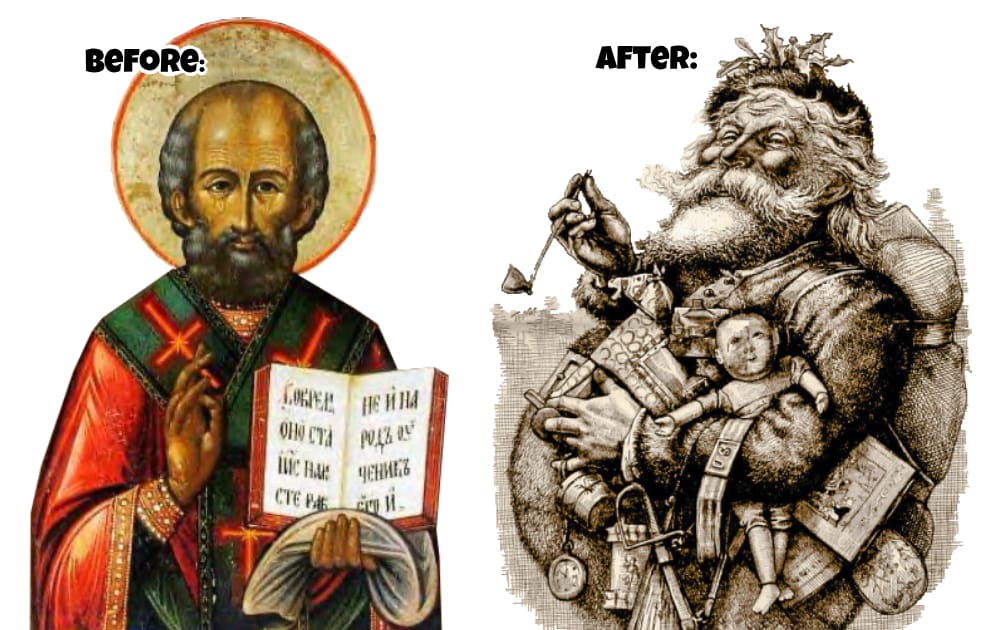
It worked. Sales rose. But the real insight wasn’t “marketing.” It was IP as demand manufacturing. Coke didn’t sponsor culture—they authored it. They created a character that could work 24/7, never age, never get canceled, and never renegotiate.
The lesson is simple: The strongest brands don’t just advertise. They world-build. And when a brand owns the character, it owns the conversation.
Coca-Cola proved a century ago that when you own the character, you control the story. Today, the same pattern is resurfacing—only now the characters aren’t sketched in oil paint. They’re rendered, trained, and scaled.
Look closely and you’ll see it everywhere. Lu do Magalu pulls in millions a year as a fully synthetic Brazilian retail persona. Lil Miquela books global campaigns without ever stepping onto a plane. Maybelline launches virtual spokesmodels who never miss a posting window, never drift off-brand, never create headline risk. The market isn’t dabbling. It’s reallocating.
Brands are spending billions renting influencers while the top performers are increasingly… artificial.

When compliance hardened and budgets got scrutinized, suddenly the idea of owning your creator instead of negotiating with one feels like the first rational decision in the entire creator economy.
Today’s opportunity is not about building another virtual face. It’s about building the system that turns owned talent into a measurable, repeatable growth channel—identity, governance, content engine, engagement, attribution, compliance.
The brands are ready. Give them the infrastructure.
Read the full playbook here:
Brands spent $24B on influencers with zero IP ownership. Virtual talent infrastructure unlocks the $111B market nobody's productizing.
From the Vault
VRChat's mobile launch opened mass distribution. Studios still design for headsets. Brands need phone-first worlds—nobody's shipping them yet.

Burn-away cakes jumped 12,276% on Yelp. Instagram killed third-party AR. Build the cross-platform reveal infrastructure brands need now.


