


On a league night, a bowling alley feels like a small-town parliament. The lanes never change, neither does the trash talk or the team names that were funny in 1997 and refuse to die. Someone still keeps score on paper. Someone orders the first round like it's tradition.
In the 1990s, sociologist Robert Putnam documented something unexpected: more Americans were bowling than ever before, but league participation was collapsing. The activity was thriving while the ritual was dying. People still showed up to bowl—they just stopped showing up for each other.
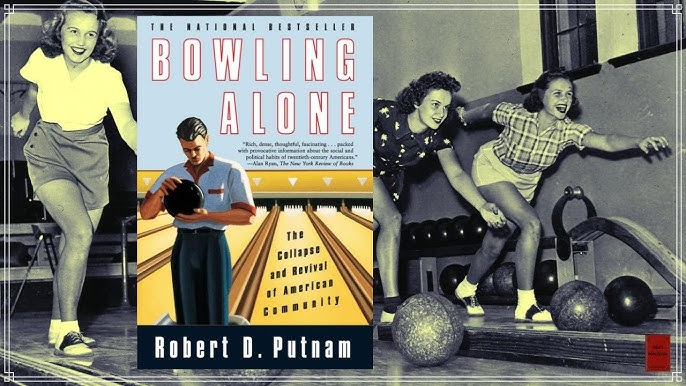
That gap between doing something and doing it together is where modern businesses are bleeding value. A bowling lane generates a transaction. A league creates recurring revenue, shared norms, and the kind of low-stakes belonging that turns strangers into regulars. The difference shows up in retention rates, lifetime value, and whether someone thinks about you on Tuesday morning.
Which brings us to today's opportunity: silent social spaces.
Think of it as rebuilding the bowling league for people who don't want to make small talk. Beautiful rooms where you can read, journal, or just exist without your phone. You provide the space and a repeating weekly schedule. The product is permission to be alone together.
The demand is already validated. Silent Book Club has chapters in dozens of cities. People pay $15–$25 to sit quietly in a room with strangers. The format works because it solves the loneliness problem without requiring you to become anyone's best friend.

What's missing is the infrastructure. Nobody has built the operating system underneath these gatherings.
Start with one weekly slot in a nice space. Once you prove it works, stack five to seven venues across your city. Add membership tiers for people who want guaranteed spots. You're not running occasional events anymore—you're operating a network of regular, repeating social infrastructure.
That's the opportunity Putnam identified but never built: the thing that happens when you create the conditions for people to be together, without forcing them to perform being social.
Read the full playbook here:

Silent reading events surged 223% while commercial real estate bleeds off-peak. The format scales, the membership model is missing.
From the Vault:

L&D headcount down 4%, external training spend up 23%—Series B companies need workflow training that auto-updates when their SaaS tools change.
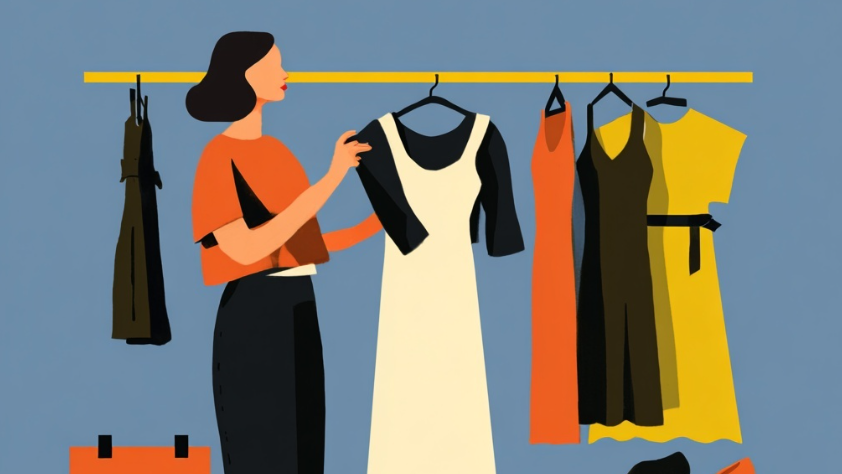
GLP-1 users spend $1,000-2,500 replacing closets during weight loss. Build the membership layer retail structurally can't serve.


