


In 1999, AOL wasn't a website. It was the internet — a walled garden where millions hung out in chat rooms that felt like tiny cities. Those cities ran on a secret workforce.
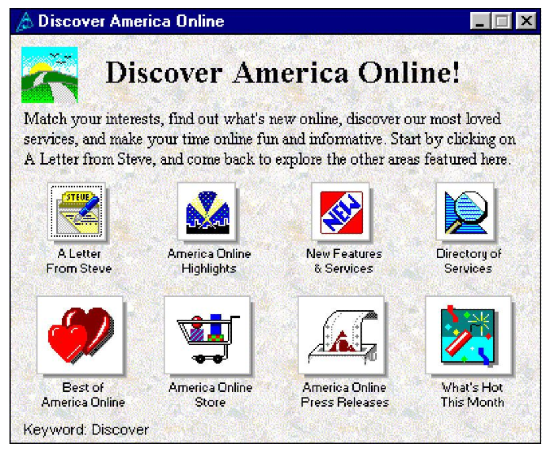
At its peak, AOL relied on an estimated 14,000 "Community Leaders" — unpaid volunteers who hosted chats, cleaned up message boards, and enforced rules in exchange for free service and moderation powers. Wired called it a "cyber-sweatshop." And when former moderators sued under U.S. labor law, the whole thing became traceable on paper. Even teens were in the program — until AOL emailed that under-18 volunteers were out.
Most "platforms" are just labor markets in software's clothing. If you can pay people in access, status, or tools instead of cash, you can scale something that looks magical. But that magic runs on someone's unpaid time.
What happens when the "secret workforce" isn't human anymore?
Twitch and Discord are modern AOL cities. Every creator runs a small media company, then pulls a second shift as community manager. Mods help, but they're volunteers too. Same trade: status for labor.

Today's Featured Opportunity is the creator-owned version of that invisible workforce: a cross-platform AI companion that lives in Twitch chat and Discord — one consistent "character" with memory. It welcomes newcomers and summarizes context for late arrivals. It keeps running lore, flags trouble early, drafts announcements. Chaotic chat becomes livable community space.
One character across all platforms. Give every creator the staff they've been pretending not to need.
Read the full playbook here:

Character.AI users spend two hours daily with AI companions trapped in single apps. Nobody owns the cross-platform identity layer yet.
From the Vault:
AI deepfakes impersonate real doctors at scale to sell supplements. Platform economics favor fraud. Build monitoring and takedown operations for high-trust professionals.

OpenAI's Australian workforce initiative proves AI training infrastructure is becoming quasi-regulatory. Professional associations control certification but lack credible curriculum—creating arbitrage.


