


The Sandbox just welcomed Corners into its ecosystem—a platform where users "coin" curated URL collections and trade them as digital assets. The launch announcement came with full backing from Animoca Brands, a company managing over 600 Web3 investments. Corners runs on Base, Coinbase's Layer 2 blockchain, and integrates the SAND token as its main utility.
On the surface, this looks like another Web3 experiment. But institutional players don't back form factors casually. Animoca's 600+ portfolio investments represent billions in deployed capital across gaming, metaverse infrastructure, and decentralized applications. When they validate a new product category, they're signaling genuine demand exists—even if the current implementation wraps it in unnecessary complexity.

The real story: curated knowledge bundles are emerging as standalone products worth paying for. Corners proves the category with blockchain. Your opportunity is building the version that captures recurring revenue without requiring users to understand gas fees, wallet connections, or token economics.
Your play is structured playbooks that move people from stuck to shipping—measured, monetized, and built to compound.
The Market Already Voted With Their Wallets
While Web3 financializes URLs, a quieter economy has been minting money for years.
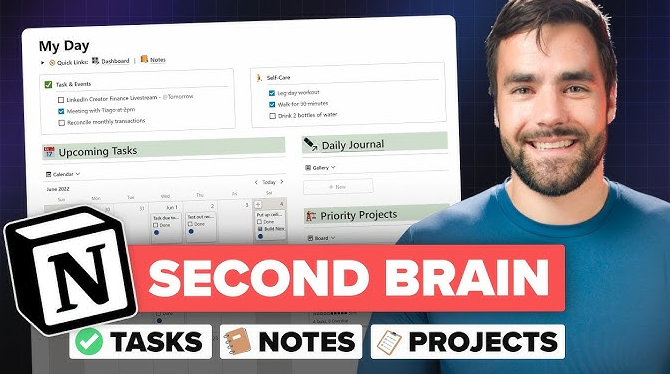
Thomas Frank generated roughly $2.1 million over two years selling two Notion templates: Ultimate Brain and Creator's Companion, with template revenue currently running around $120,000 monthly. Easlo, another Notion template creator, crossed $500,000 in sales by age 21. These aren't outliers. Multiple creators report consistent $1,000-$3,000 monthly revenue from well-designed templates, with top performers hitting five and six figures annually.
The broader knowledge management software market reinforces the same thesis. The market sits around $13-30 billion in 2024, projected to reach $38.7 billion to $62 billion by 2030-2033. Growth rates consistently land in the 12-18% CAGR range. Cloud deployments now capture 62-65% of the market, with document management leading functionality at roughly 38% share.
Teams will pay real money for tools that turn chaos into usable systems. Individuals will pay for finished frameworks, not just information dumps.
The gap isn't more bookmarking tools or generic templates. The gap is the missing layer between "here's 47 browser tabs" and "here's the exact sequence that gets you profitable."
Why "Curated Lists" Isn't The Business
Stop at paywalled links and you're competing with read-it-later apps collecting dust, curated newsletters nobody opens, GitHub awesome-lists with 10,000 stars and zero revenue, and Notion pages that become digital graveyards.
Notion and similar platforms let users build complete operating systems inside documents. The thriving template economy ($49-179 per template) proves people will pay—but only for systems promising specific outcomes, not collections of links.
The winning products never say: "Here's 100 useful links about TikTok ads."
They say: "Here's the system to go from zero to profitable TikTok ads in 30 days."
Links are ingredients. Outcome is the product. That distinction is everything.
What You're Actually Building
Unlock the Vault.
Join founders who spot opportunities ahead of the crowd. Actionable insights. Zero fluff.
“Intelligent, bold, minus the pretense.”
“Like discovering the cheat codes of the startup world.”
“SH is off-Broadway for founders — weird, sharp, and ahead of the curve.”


