


Picture a $6M California house. Limewashed walls, custom oak floors, a kitchen designed by someone who studied in Copenhagen and took minimalism seriously.
And then—because reality hasn't been suspended—there's a red fire extinguisher jammed under the sink like contraband.
High-net-worth buyers just spent $100K on invisible upgrades. Air filtration from Delos. Water systems from Puronics. Smart home wiring that cost more than a Mercedes. They'll casually drop $15K on a Japanese soaking tub. But disaster preparedness gets hidden in the garage next to the paint cans.
The market is massive and underserved. Residential disaster preparedness sits at just $1.2B annually while institutional preparedness systems exceed $209B globally. Meanwhile, U.S. disaster losses hit $108B in 2025 alone, and only 12% of California homeowners carry earthquake insurance despite living in the epicenter of seismic risk.
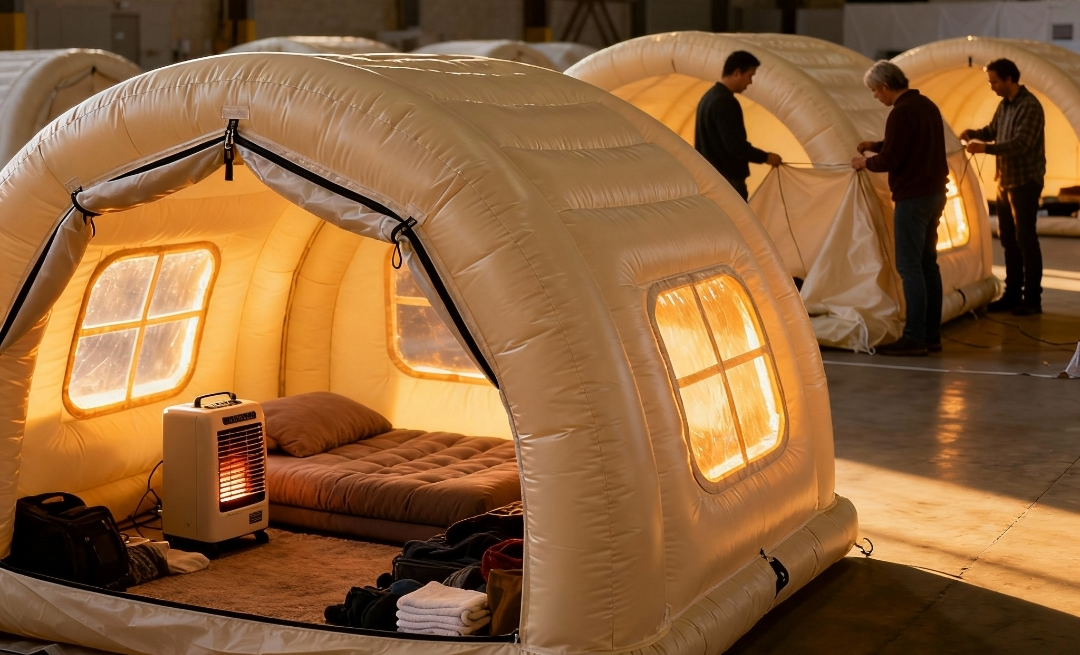
The need exists. The products don't.
Luxury home buyers in 2026 are spending record sums on wellness amenities. Zillow data shows mentions of wellness features up 33% year-over-year. Spa-inspired bathrooms appear 22% more often in high-end listings. Saunas, cold plunges, meditation rooms—no longer luxuries. Table stakes. DC landscape architect Joseph Richardson: "Health and wellness amenities are an expectation in new homes now."
The definition of luxury is shifting from opulence to peace of mind. Wellness isn't just physical anymore—it's emotional, anticipatory. Your home protects you from chaos outside.
Disaster risk just crossed the threshold where it changes status behavior.
In Tokyo, high-end buildings brag about resilience the way U.S. luxury buildings brag about rooftop pools—seismic control structures, disaster-prep specs, multi-day emergency power as selling points. This doesn't get buried in safety disclosures. It's in the marketing materials, right next to the concierge service.
The cultural gap between U.S. and Japanese preparedness culture is stark. In Japan, disaster readiness—bōsai—is embedded in daily life. In 2016, the Tokyo Metropolitan Government distributed the bright yellow "Tokyo Bōsai" guide to 7.5 million households. It went viral on design blogs worldwide because it looked like a beautiful consumer product, complete with manga illustrations and a friendly rhino mascot named Bōsai-kun. Design firm Nosigner and ad agency Dentsu made preparedness aspirational instead of apocalyptic.
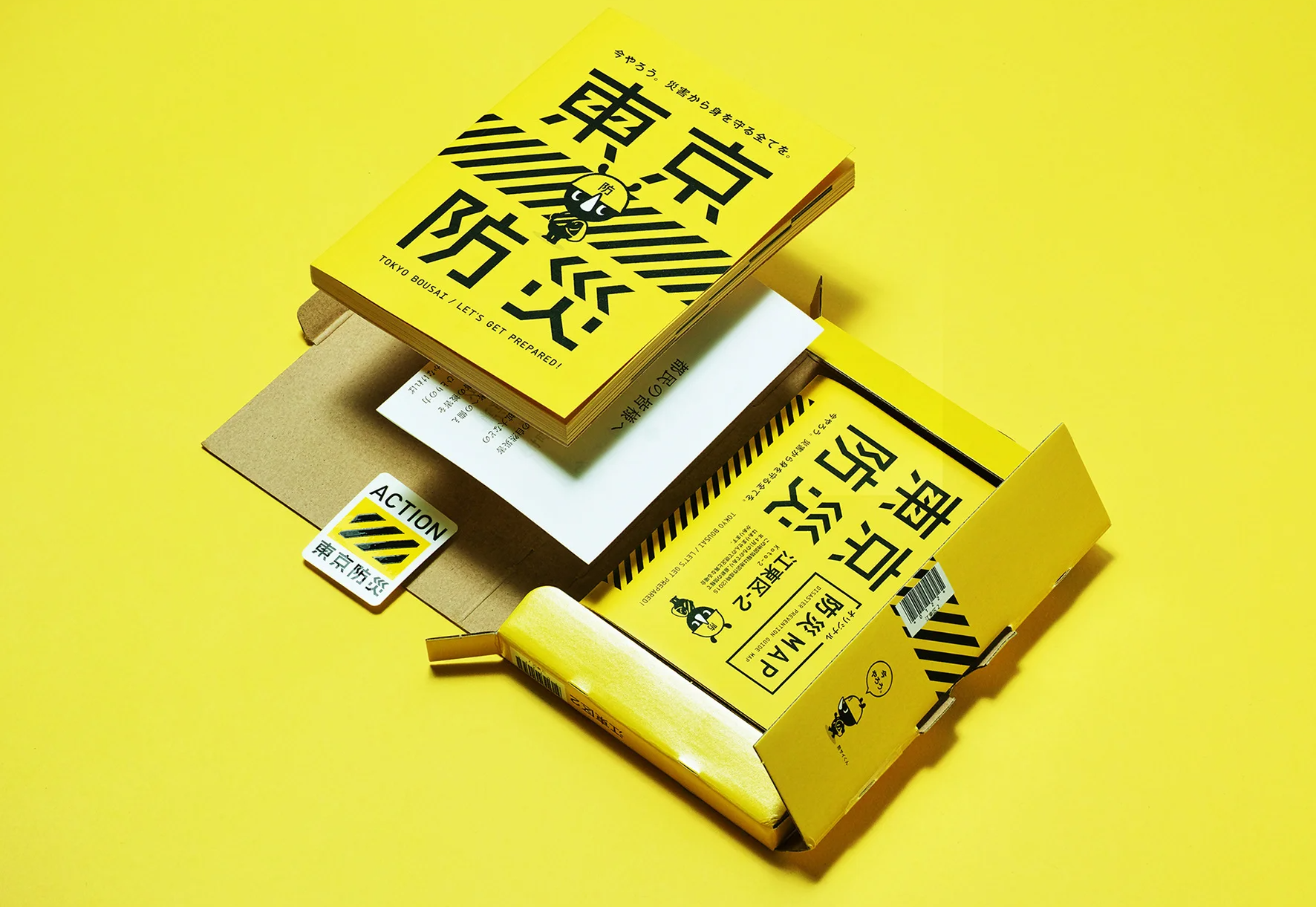
The guide won a Good Design Gold Award. Some copies were auctioned online as collector's items.
In the U.S., preparedness is either tactical (freeze-dried buckets at Costco) or institutional (government PSAs). There's no premium consumer category. No brand that says: "I care about my family's safety, and I have taste."
Make disaster readiness feel like a luxury amenity—beautiful, architectural, socially normal. The core consumer promise: "Survival gear you don't have to hide in the garage."
Own the preparedness layer of premium living—the brand, the bundles, the installer network, and eventually the certification standard that shows up in real estate listings.
Why this works now
The economics have flipped. Disaster losses are no longer "black swan" events—they're annual line items massive enough to change consumer behavior.
This isn't an idea problem. The idea is obvious once you see it. This is an execution and distribution problem: can you actually deliver taste, build relationships with designers and agents, and make the aesthetic bar obviously higher than anything else in the category? That's what determines whether you own this or someone else does.
Munich Re estimates global insured natural-disaster losses hit $108B in 2025, marking another year in a growing list of $100B+ annual losses. Since 1980, the U.S. has experienced 376 individual billion-dollar weather and climate disasters, totaling cumulative costs exceeding $2.66 trillion, according to FEMA's 2025 National Preparedness Report.
USGS and FEMA jointly estimate that earthquake risk alone costs the U.S. economy approximately $14.7B annually in building damage and associated losses.
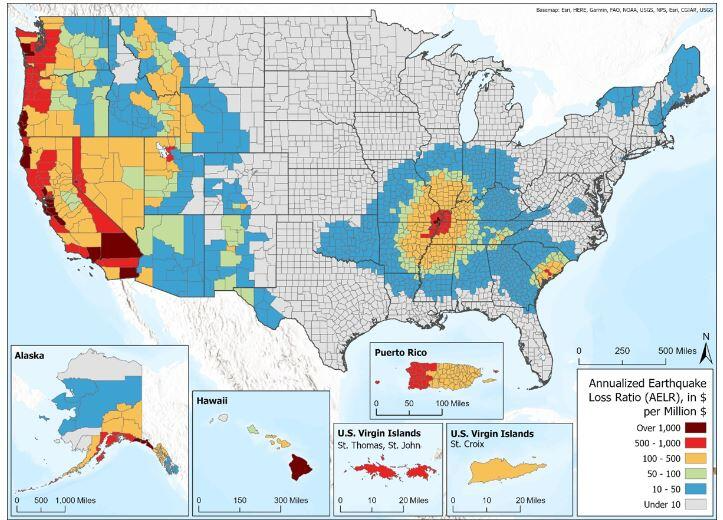
The protection gap is massive. In California—epicenter of earthquake and wildfire risk—only about 1.5M households carry earthquake insurance. Around 12% of eligible homes, per 2023 California Department of Insurance data reported by the San Francisco Chronicle. The largest provider, California Earthquake Authority (CEA), runs approximately $900M in annual premium revenue. An existing premium market exists, but penetration is nowhere near where risk would justify.
The gap exists because traditional insurance is expensive and abstract. People don't buy it. But they'll spend money on tangible improvements that make them feel safer—things they can see, touch, show to guests.
Consumer preparedness is embarrassingly low. Despite growing awareness, only 34% of Americans maintain an emergency supplies kit, according to research cited by the American Institute of CPAs. Just 54% of U.S. households report having completed emergency preparations within the past year. FEMA data shows 51% of Americans believe they're prepared—a 9% increase since 2017—but belief and reality are badly misaligned.
About 44-47% of Americans say they've increased emergency supplies in recent years, but when you look at actual kit completeness, the numbers fall apart. People buy a flashlight, feel prepared, then never rotate batteries or stock water. The UK lags even further: only 13% of British households feel largely or totally prepared for an emergency.
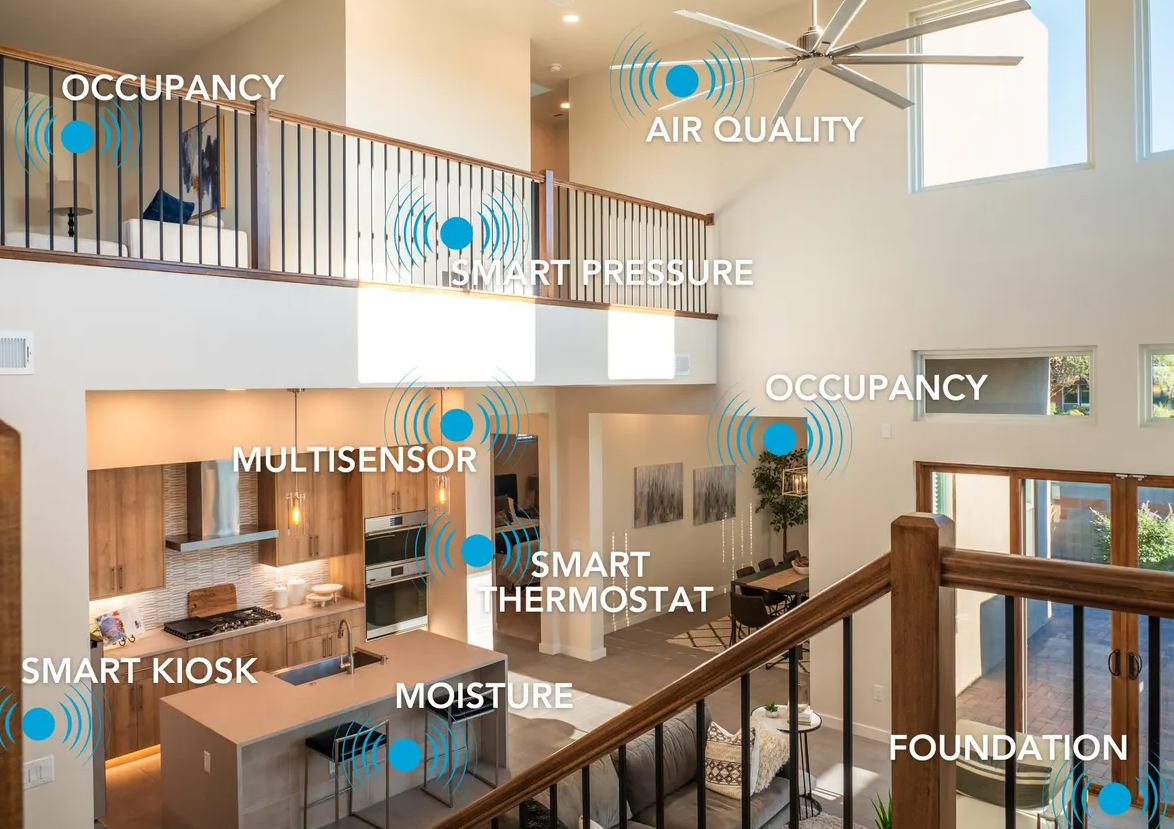
Resilience is becoming a lifestyle line item. People already spend $10K–$30K on invisible upgrades. Water filtration. Air quality systems. Smart home infrastructure. A tasteful "resilience layer" fits that mental model perfectly.
The disaster preparedness systems market—focused primarily on B2B and government infrastructure—is growing at 9% CAGR and exceeded $209B globally in 2025, projected to reach $494B by 2035, according to market research from ResearchNester. North America accounts for 34.6% of that market, with the U.S. segment valued at $44B in 2024 and projected to reach $100B by 2034.
But the consumer-facing home preparedness market is a fraction of that scale. The global emergency kit market was valued at $1.8B in 2023 and is expected to reach $3.4B by 2032 (6.8% CAGR). Emergency packages—consumer kits for home use—are estimated at $1.2B in 2025 with a 12% CAGR through 2033. Home disaster kits represent about 40% of the emergency kit market share, driven by pandemic-era health awareness and rising natural disaster frequency.
A massive institutional market for preparedness systems exists, but the premium residential segment barely exists. The opportunity is to create it.
The gap: America has "prepper products," not a "prepared home brand"
The U.S. market is full of stuff:
Freeze-dried food buckets go viral at Costco, selling 150,000-calorie "Apocalypse Meal Kits" that belong in a fallout shelter. Preparedness is mainstreaming culturally—disaster awareness spreads through social media, government campaigns, first-hand experience—but it hasn't mainstreamed aesthetically.
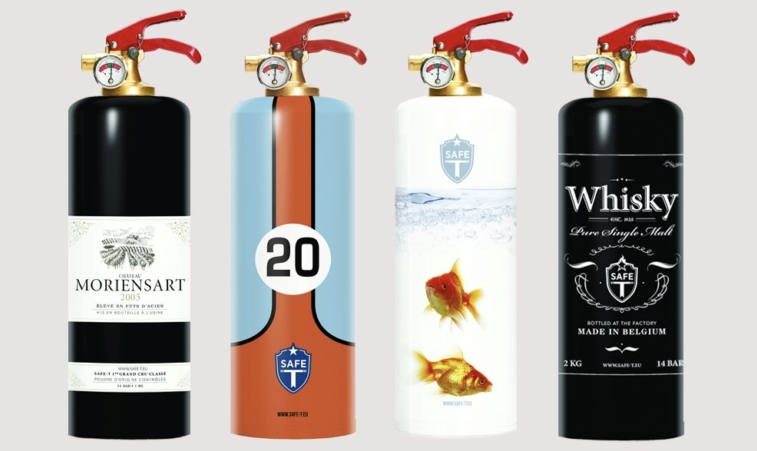
Designer fire extinguishers already exist—brands like SAFE-T and CHIC FIRE offer models that look like sculptural objects rather than industrial equipment, explicitly marketed as "leave it on the counter" safety decor and designed to stay in plain view. SAFE-T sells extinguishers in bronze, copper, and powder-coated finishes that belong in Dwell magazine spreads, not garages.
These are isolated products, not systems. Nobody has built the Restoration Hardware of "I won't lose my house in a blackout / quake / evacuation."
Nobody is the brand that wealthy homeowners trust to quietly prepare their homes for the inevitable.
The play: three layers (Quick Steal → Brand → Platform)
Layer 1: Quick Steal (DTC curation + bundles)
Unlock the Vault.
Join founders who spot opportunities ahead of the crowd. Actionable insights. Zero fluff.
“Intelligent, bold, minus the pretense.”
“Like discovering the cheat codes of the startup world.”
“SH is off-Broadway for founders — weird, sharp, and ahead of the curve.”


