


On December 18, 2025, TikTok crowned Keith Lee "Creator of the Year" at its first-ever U.S. TikTok Awards — a public coronation of something the internet already knows: one food critic can change a small business's fate overnight.
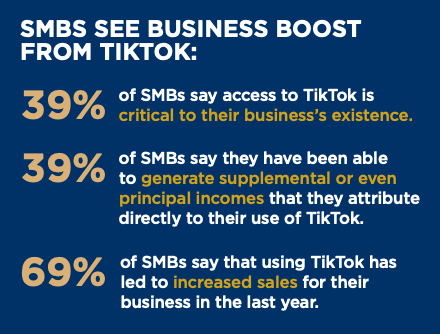
TikTok's own commissioned research says U.S. small businesses generated ~$15B in revenue tied to TikTok activity in 2023, contributing $24.2B to U.S. GDP. The food and beverage sector alone accounted for $6.4B of that GDP contribution and 73,000 jobs. Nearly 40% of SMBs say TikTok is critical to their business. Meanwhile, the platform itself is living under ongoing U.S. scrutiny — with enforcement timelines extending into late January 2026. Keith Lee has 17 million TikTok followers, and restaurants he reviews see lines wrapping around buildings within hours.
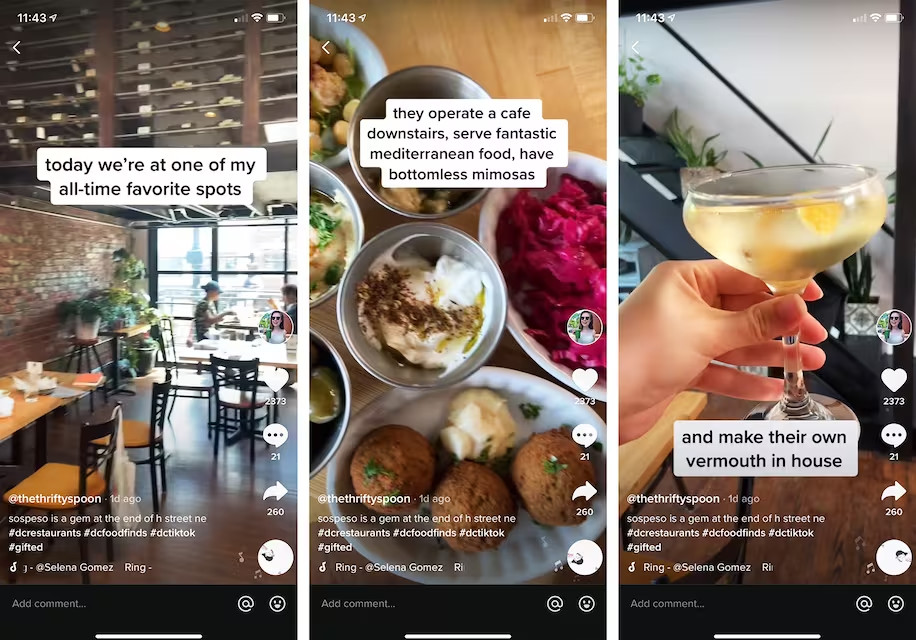
One Houston restaurant went from 15-20 cases of catfish per week to 10 cases per day after a Lee review. A Las Vegas food truck saw a 900% revenue spike. A Dallas nonprofit received hundreds of thousands in grants after a single video. Some operators saw daily guest counts jump from single digits to 130-250 and sustain that for months.
The "Keith Lee Effect" is real, random, fleeting, and not for sale.
Your play: build the performance layer that turns local creators into a measurable acquisition channel. Local businesses post bounties, creators take missions, payouts are tied to verified outcomes, and you bundle "business rescue kits" so viral spikes don't turn into operational meltdowns. Year 1 target: $500k in platform revenue from a 10% take-rate on $5M in merchant sales. Year 2: scale to five cities and hit $5M in annual platform revenue.
CPC ads for the real world — routed through creators.
The category unlock
The "Keith Lee effect" feels magical because it's rare and because it's not instrumented.
Small businesses already know TikTok works. What they don't have is a way to buy it like performance marketing: predictable budget in, predictable outcomes out, and a scoreboard everyone trusts.
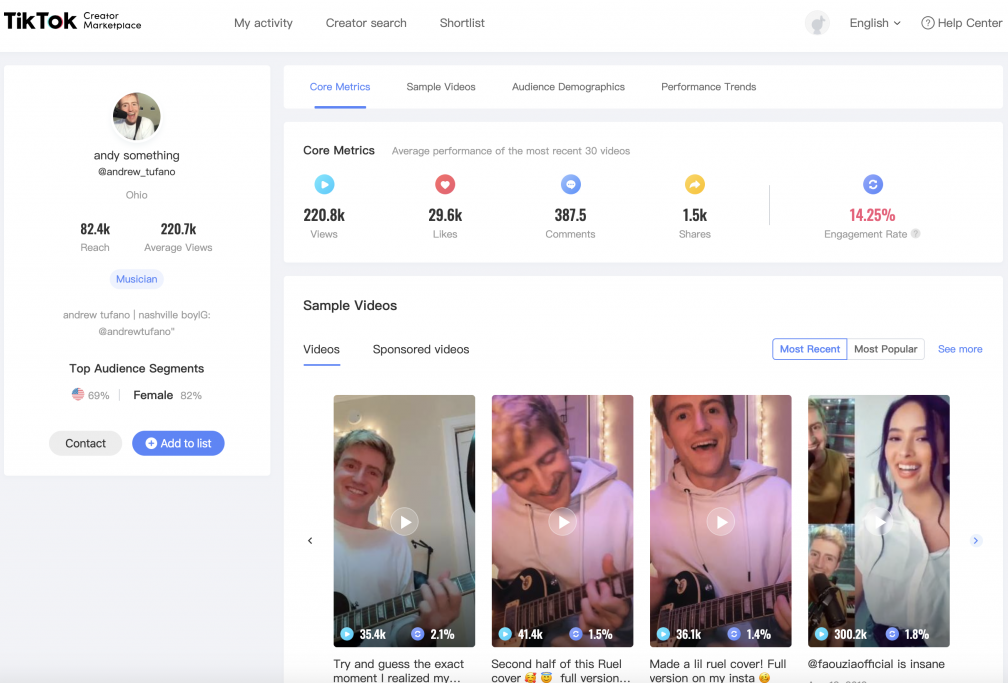
TikTok's Creator Marketplace exists for brand collaborations and campaign management — primarily online-first, brand-first content deals, not offline foot-traffic-first performance marketing. The broader influencer-tech universe follows the same pattern: it's built for impressions and engagement, not verified in-store visits.
Your wedge is that unsexy, ignored layer: offline attribution plus local network effects.
Why bounty boards alone won't work
A simple "post $200 for 20 customers" marketplace is clever but fragile.
Attribution is hard. Coupon codes get abused. QR codes get screenshot and shared. Owners don't trust anything they can't reconcile with their POS system. Merchant trust hinges on reconciliation with cash drawer reality — any perceived inflation of redemptions versus actual ticket counts will kill word-of-mouth in a local market.
Local ops are chaotic. If you send 200 people to a place with bad signage, confused flow, and no "viral-night protocol," you create one bad weekend — not a growth channel. Press coverage of TikTok-driven surges shows that many restaurants struggle with staffing, menu complexity, and line management when traffic spikes suddenly. Some end up with long waits and inconsistent experience that harms retention.
Creators need a repeatable paycheck. Not a one-off brand deal vibe. A route. A system. A weekly income stream they can count on. Mid-tier local reviewers (5k-80k followers) often drive real sales but monetize through sporadic brand deals or free meals — a predictable, route-based earnings product is missing even as the broader creator economy is projected into the hundreds of billions.
Keep the bounty idea, but evolve it into rails, reputation, and repeatability.
The product: "LocalLift" (3-layer stack)
Unlock the Vault.
Join founders who spot opportunities ahead of the crowd. Actionable insights. Zero fluff.
“Intelligent, bold, minus the pretense.”
“Like discovering the cheat codes of the startup world.”
“SH is off-Broadway for founders — weird, sharp, and ahead of the curve.”


