


In 1968, two psychologists proved that more witnesses make emergencies worse.
Darley and Latané sat college students in separate rooms, connected by intercom. Mid-conversation, a voice on the line started choking — a staged seizure. When a student believed they were the only one listening, 85% rushed to help. When they believed four others were on the line, only 31% did.
The ones who didn't help weren't calm. Hands trembling, palms sweating. They cared. But each one assumed someone else was already handling it.
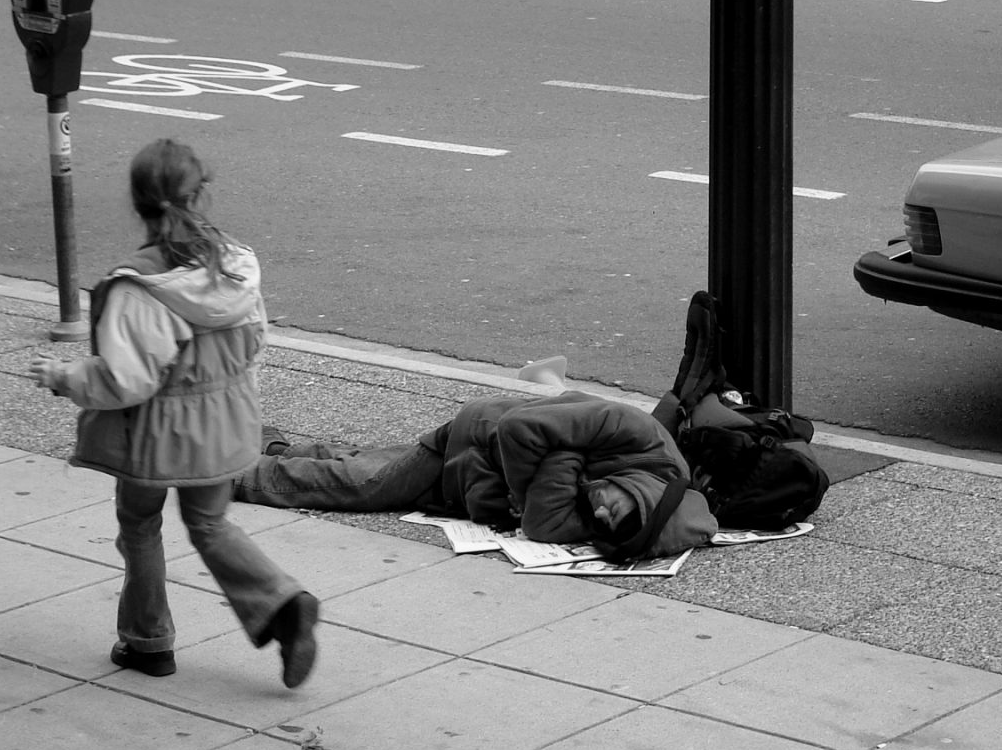
Emergency responders figured out the fix decades ago: don't yell "somebody call 911." Point at one person. "You, call 911."
When responsibility is specific, people act.
Hotels have this problem on every shift. A housekeeper finds someone unconscious. Security has a radio. The front desk has a binder. The manager on duty has a phone full of missed calls.
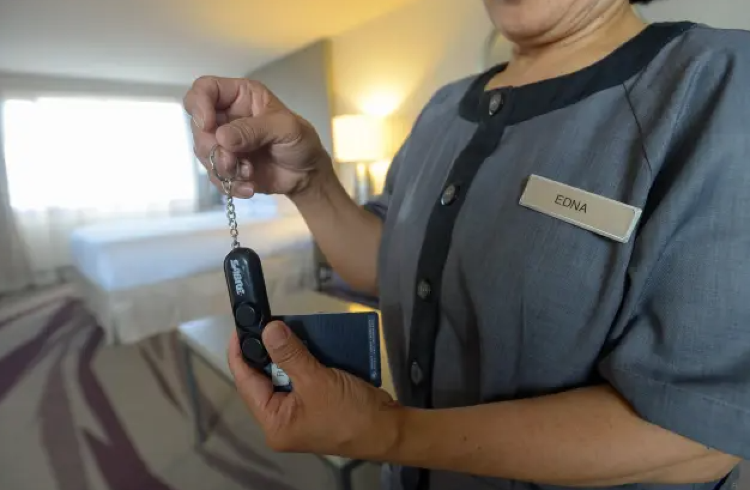
New laws in New York, Washington, and California now mandate panic buttons and emergency protocols for hotel workers. Hotels are buying the hardware. But the button only sends an alert. What happens in the four minutes after is still improvised and invisible.
Business idea: A two-person team can ship an SMS-based, AI-assited crisis coordination tool, close independent hotels in mandated markets, and build toward $600K–$3.6M ARR.
Read the full playbook here:
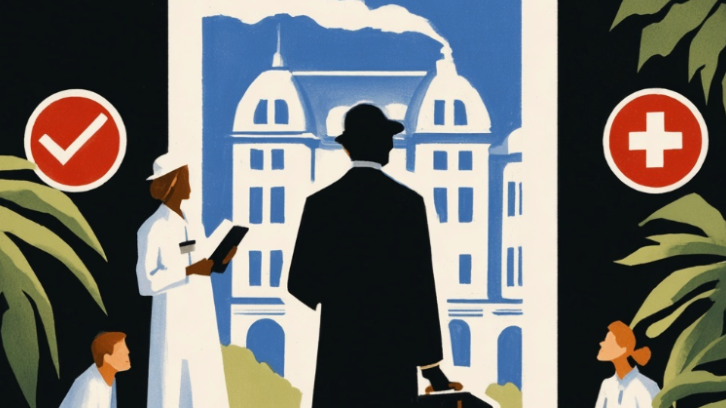
Panic button mandates are spreading fast but every vendor stops at the alert. The post-incident execution layer is wide open.
From the Vault:
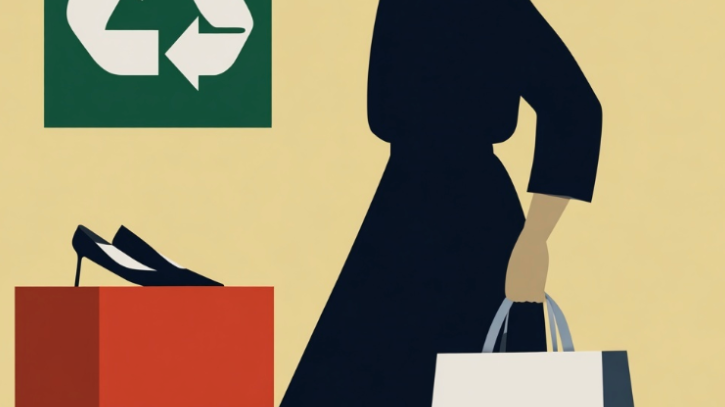
American retailers lost $890 billion to returns in 2024. A returns-to-resale Shopify layer for mid-market brands could recover billions in trapped inventory value.
Millions of laser cutters sit idle in garages while Etsy sellers lose sales to slow shipping — the coordination layer between them is wide open.


