


In 2013, researchers published a landmark study in Science exposing a glitch in the human operating system called The End of History Illusion.
They asked 19,000 people two simple questions: "How much have you changed in the last decade?" and "How much will you change in the next one?"
The results were identical, whether the participant was 18 or 68. We all readily admit that our past self was a stranger—someone with different tastes, bad haircuts, and questionable logic. But we consistently view our current self as the final product. We assume our evolution has peaked.
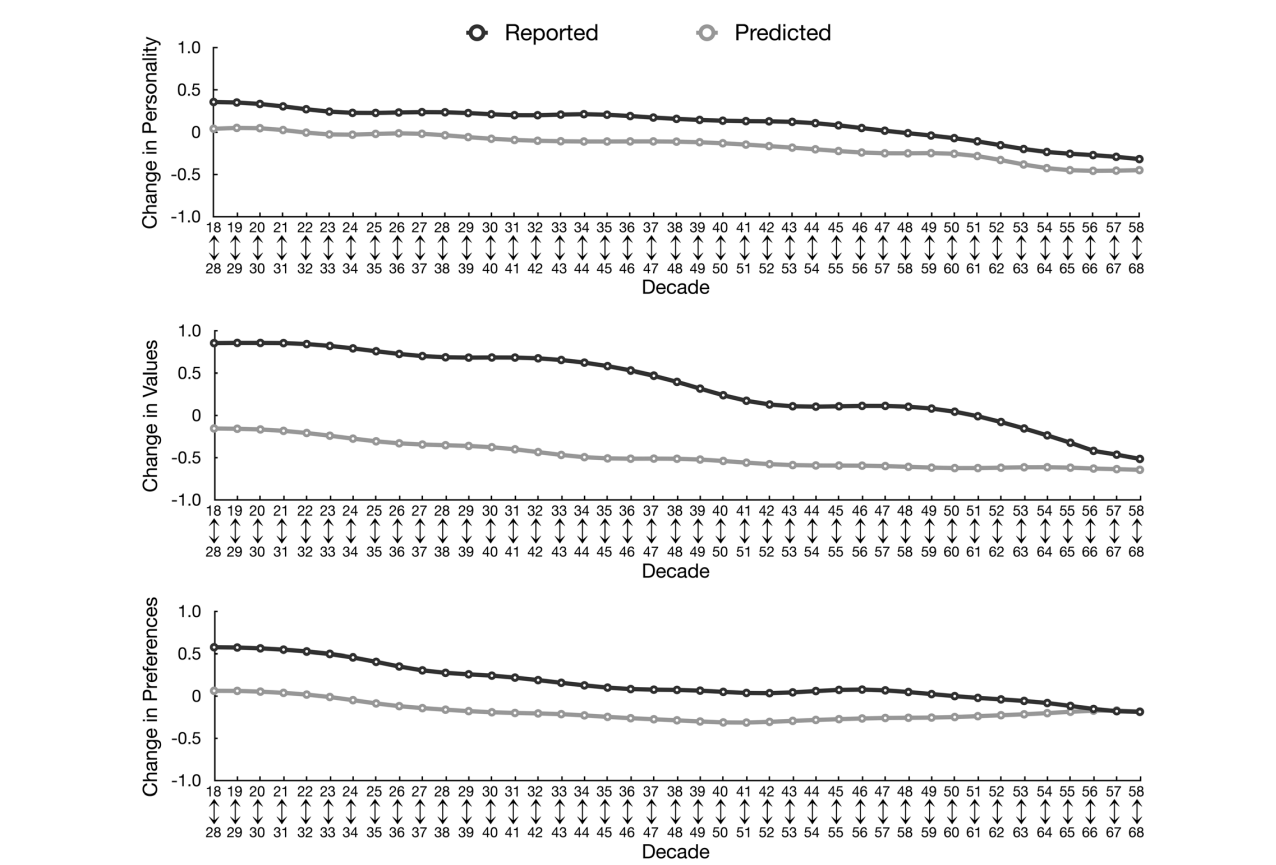
We acknowledge the construction site of the past.
But we mistake the present for a finished monument.
This cognitive failure is expensive. It is the engine of regret. We make permanent decisions—careers, contracts, tattoos—based on the preferences of a temporary version of ourselves. We treat the present moment as the summit, forgetting that we are still climbing.
We are effectively making confident, high-stakes bets on behalf of a person we haven't met yet: our future self.
And as the market data shows, Future You usually wants a refund.
That psychological glitch has created a massive, unaddressed market signal. Right now, roughly 21 million Americans are waking up to permanent ink they wish they could erase.
The industry wants to sell them laser removal—a painful process that costs up to $5,000 and takes months. But the data shows most people just want a cover-up—a cheaper, faster solution that transforms the regret into something new.

The problem? There is no marketplace for it. No specialized network connecting people in that fragile "can this be fixed?" moment with the artists who specialize in redemption.
The Opportunity: Build Remorse.com, the concierge service for tattoo regret. By using AI to visualize the fix and routing pre-paid leads to vetted specialists, you can capture the high-intent traffic that laser clinics are missing. This is a path to $50k–$100k MRR in 12 months by solving a problem that is literally written on your customer’s skin.
Read the full playbook here:

Millions pay $3,000+ for laser tattoo removal yearly. Cover-ups cost less, finish faster, and have no marketplace connecting regretful clients to specialists.
From the Vault:

Communities control purchasing decisions but lack infrastructure to monetize trust. The payment rails for systematic brand-community commerce don't exist yet.

Wealthy homeowners spend $30K on invisible wellness infrastructure but hide fire extinguishers. Make disaster readiness a luxury amenity.


