


A dad in the Midwest who spent his days in private equity now runs seven-figure marathon shows from his spare bedroom. His two sons pitched him on streaming a few sports card packs on Whatnot. One week later, they went live. Four months later, they had a small team, a real P&L, and revenue that made their day jobs look quaint.
They're not alone. Golf gear guys are doing six figures in a single show. Vintage resellers are running late-night TV from their kitchens. Rare plant people are hosting QVC-for-weirdos between watering sessions.
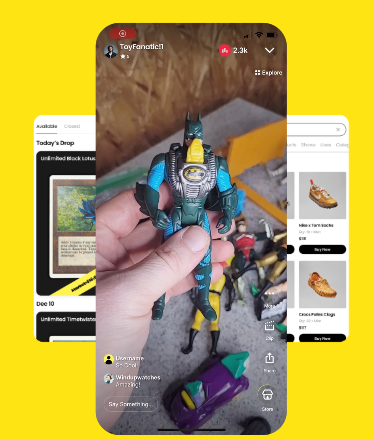
Whatnot raised $225 million in October 2025 at an $11.5 billion valuation—more than double its worth from January—and is on pace to push $6 billion in GMV this year, more than twice 2024's haul. Users spend an average of 80 minutes a day on the platform, dwarfing YouTube and TikTok engagement. Meanwhile, TikTok Shop hit $5.8 billion in U.S. GMV in just the first half of 2025, up 91% year-over-year. The global social commerce market hit $1.63 trillion in 2025 and is expected to reach $6.2 trillion by 2030 at a 31% CAGR. But here's the thing: execution is the bottleneck, not demand.
Nearly half of U.S. TikTok Shop sellers record zero sales. Meanwhile, over 500 sellers cleared $1M+ on Whatnot alone last year, using the same tools as everyone else. Same software. Wildly different outcomes. The difference is execution infrastructure—the production playbooks, ops systems, and show formats that separate hobbyists from professionals.
The Infrastructure Gap
Every successful live seller in these stories duct-taped their entire operation together. One iPhone on a tripod. A second account logged in just to read chat. Spreadsheets for inventory. Manual shipping labels at 2 AM. Every time they want to step up production value, they become their own producer, tech director, and ops manager—simultaneously.
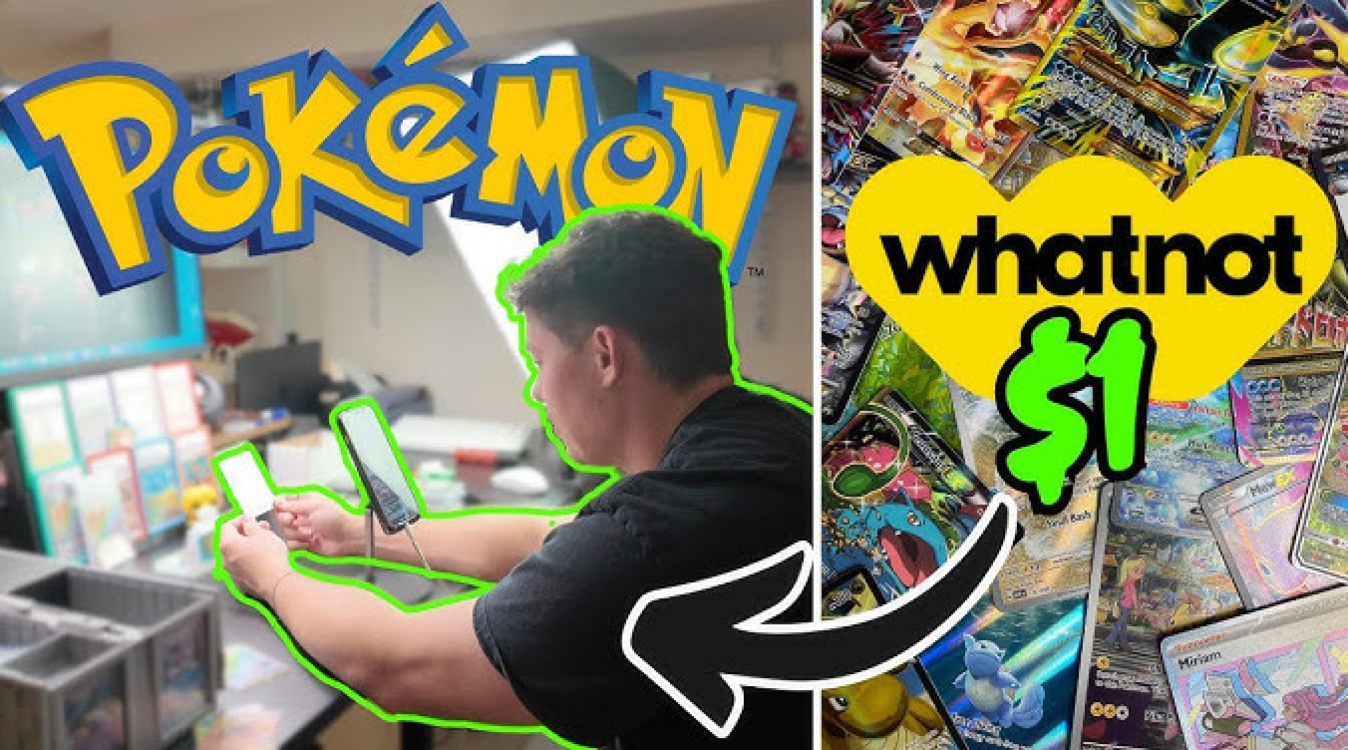
Marketplace Pulse nailed the insight: Whatnot succeeded because it discovered that live streaming works when it solves category-specific problems rather than trying to reinvent all of retail. When sellers "break" open cases of trading cards on camera, the stream becomes an event—with drama, stakes, and regulars who show up week after week.
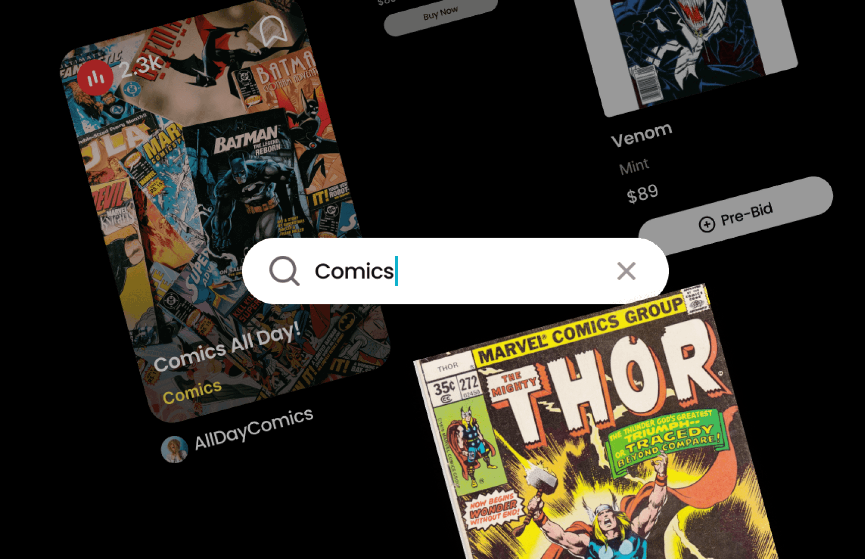
The platforms have proven the demand. Now someone needs to build the production layer that turns chaotic bedroom streams into repeatable, professional shows.
The infrastructure players that do exist are either:
Horizontal and bloated — CommentSold powers over 7,000 retailers with $4.8 billion in lifetime GMV, but it's optimized for fashion boutiques doing video commerce across their own stores and apps. Overkill and badly tuned for a guy ripping Bowman Chrome on Whatnot.
Platform-owned — TikTok's Live Center, Whatnot's seller tools. These are optimized for GMV on that platform, not for your career or cross-platform leverage.
The white space sits in the middle: vertical-specific seller infrastructure for the booming collectibles and hobby niches where Whatnot and TikTok are exploding fastest.
The Wedge: "Studio in a Box" for Sports-Card and Pokémon Breakers
The sports trading card market was valued at roughly $12–15 billion in 2024 and is projected to grow at a 7–9% CAGR through 2034. Apps like Loupe, Whatnot, and Fanatics Live have turned collecting into appointment television—fans tune in not just to buy, but to watch breaks unfold in real time, chat with sellers they trust, and chase the dopamine of a big pull.
You don't need to compete with Whatnot or TikTok. You build the showrunner stack that takes "chaotic livestream" and turns it into a repeatable, professional channel—starting with collectibles.
The promise for v1:
"We turn sports-card and Pokémon sellers into $10K-a-month live TV channels in 60 days—without burning out."
What you're actually building is a showrunner stack:
Gear map — The exact camera, mic, lighting, and desk layout for a card-breaking table. No decision fatigue. One recommended setup that works.
Scene templates — OBS/Streamyard presets for "pack rip," "auction," "giveaway," "Q&A," "top buyers leaderboard." Drag and drop.
Run-of-show formats — Proven 2–4 hour scripts: "break night," "mystery box marathon," "$5 spin-the-wheel." Formats that actually convert.
Ops layer — How inventory flows from supplier → show → shipping labels → aftercare. The backend nobody thinks about until it breaks.
On-air coaching — Teach sellers how to keep energy high over 3+ hours. This is a performance, not a Zoom call.
Your first product isn't a SaaS login. It's a cohort, a kit, and a playbook—something that makes people feel like they joined a small accelerator for live sellers.
The Product Ladder: From Bootcamp to Commerce Infrastructure
The business evolves in three stages, each one funding the next.
Unlock the Vault.
Join founders who spot opportunities ahead of the crowd. Actionable insights. Zero fluff.
“Intelligent, bold, minus the pretense.”
“Like discovering the cheat codes of the startup world.”
“SH is off-Broadway for founders — weird, sharp, and ahead of the curve.”


