


It's midnight and a ring light warrior swears this $27 thing "changed her life." Three taps later it's on the way to your apartment. Two weeks after delivery? Junk drawer. Right next to the broken milk frother and the resistance band that snapped on day three.
Social commerce manufactures hype at scale, but it isn't designed to filter for durability.
TikTok Shop pushed $33.2 billion in GMV globally in 2024—more than triple the $11 billion from 2023. The U.S. alone hit around $9 billion in its first full year, with monthly GMV crossing the $1 billion mark multiple times in the first half of 2025.
Nearly 60% of TikTok users have bought something after seeing it on the app. But 23% of buyers regret at least one purchase. Top regrets: cheap quality, impulse buy, not as advertised. Only 30% feel confident about product quality before hitting buy.
The numbers get worse overseas. Around 70% of young adults in Europe consider TikTok "rather untrustworthy" or "not trustworthy at all" when it comes to shopping. In the U.S., around 37% of Americans under 60 have tried TikTok Shop despite the quality concerns.
The gap between discovery and trust is widening faster than the GMV numbers.
The big idea: "We only sell what survived TikTok's graveyard"
Instead of chasing the first viral spike, you refuse to touch a product until at least 90 days after its big moment.
Your brand promise:
"If it's in our store, it made it through the crash and people still buy it."
The concept:
- A store + newsletter that only features products whose demand and reviews stayed strong 3–6 months after going viral.
- You organize them into capsules:
- Calm-Girl Desk Setup
- Tiny Apartment Gym
- Soft Life Hair Care
- Creator Travel Kit
- Over time, you turn your filter into an Endurance Score and a visible "Endurance Verified" badge that brands crave.
Short term: a lean affiliate + curation play. Long term: a Wirecutter-meets-Sephora trust layer for social-commerce products, with private-label hits and a B2B data product on the back end.
Why this wedge is sharp right now
Virality doesn't equal endurance, and the pattern is everywhere
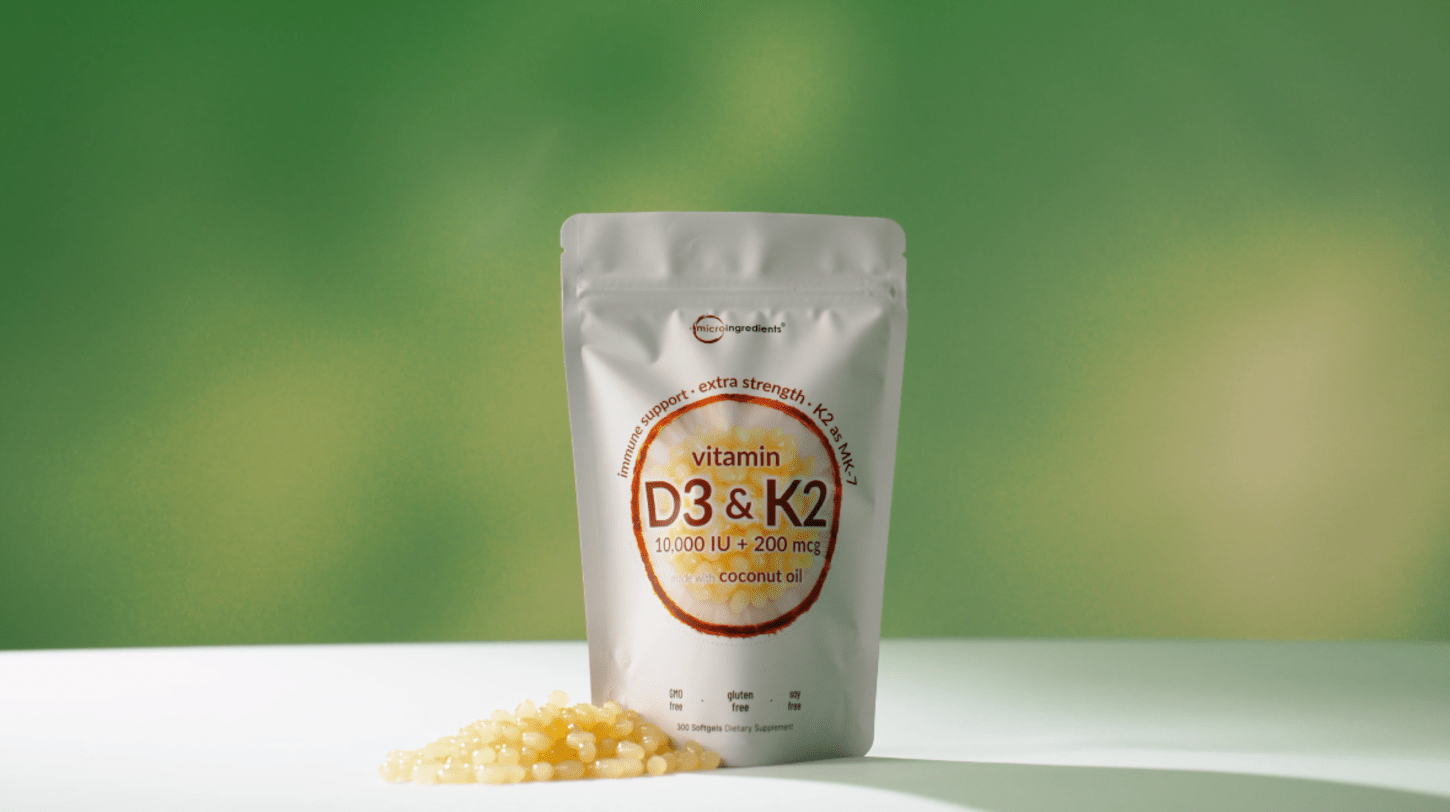
Look at Micro Ingredients. Their Vitamin D3+K2 supplement averaged around 12,000 units per month on Amazon before TikTok. Then creators started posting in early 2024—hundreds of affiliates, high commissions, videos hitting 20+ million views each. By April, they sold over 60,000 units on Amazon in a single month. Now they own roughly 10% of the Vitamin D3+K2 market and sustain elevated sales six months out.
Now look at the Cell Phone Seat—went viral fast, then got buried under 67 copycat listings on eBay alone. Sales dropped as knockoffs flooded in and ad fatigue hit after three weeks. The founder now sends samples to "hundreds of affiliates per month" just to stay visible.
Industry tracking shows most TikTok-boosted products see a massive spike during the viral window, then sales return to baseline—or below—within 60-90 days. Some products sustain 4–5x higher Amazon sales compared with pre-viral baselines, but only a minority maintain elevated search volume and review velocity after the hype fades.
Which means most buyers are rolling the dice on durability. And they know it.
Purchase regret is high, but buyers keep coming back
Nearly 9 in 10 buyers who regretted a purchase say they'll buy again on TikTok Shop. Convenience and discovery outweigh short-term disappointment. Around 42% of TikTok Shop buyers spend under $50 per year—mostly impulse buys on accessories, gadgets, makeup. Average order value: $59. One in four shoppers admits their most recent purchase was pure impulse. The algorithm pushes trending products on repeat, blending entertainment with instant conversion.
The behavior is locked in. The infrastructure to support smarter buying decisions isn't.
No one owns the "endurance" positioning
TikTok has "Top Products" dashboards. Amazon has best-seller badges. Beauty editors publish monthly roundups. But nobody is branded around "this survived the algorithm's sugar high."
Vogue and other mainstream publications are now asking: "Can viral beauty products make successful brands?" They're profiling companies that graduate from one-hit TikTok wonders into enduring lines with strong repeat purchase. The conversation is happening. The category doesn't exist yet.
The asset: an "Endurance Score" and trust badge
The store is the front door. The real moat is the scoring engine.
Your Endurance Score (0–100)
For each product that goes viral, you track:
Unlock the Vault.
Join founders who spot opportunities ahead of the crowd. Actionable insights. Zero fluff.
“Intelligent, bold, minus the pretense.”
“Like discovering the cheat codes of the startup world.”
“SH is off-Broadway for founders — weird, sharp, and ahead of the curve.”


