


In the late 1920s, a group of factory workers at Western Electric found themselves stuck inside one of the strangest productivity experiments ever run. Researchers kept fiddling with the lights — brighter, dimmer, back to brighter, then dim again — trying to squeeze more output from the assembly line.
The result?
Productivity went up every single time. Even when the lighting got objectively worse.
It wasn’t illumination. It was observation.
Humans don’t just respond to conditions; we respond to being witnessed. A faint spotlight outperforms the perfect environment. We behave differently when we believe someone will notice.
And you see this pattern everywhere:
Weight Watchers built a billion-dollar business on weekly weigh-ins, not recipes.

CrossFit charges $200/month because people show up for the tribe, not the barbells.
Duolingo’s biggest retention driver isn’t content — it’s the public shame of breaking a streak.
The insight is almost too obvious to sell:
People don’t change in private. They change in public.
That same dynamic — people changing because someone is watching — is now playing out in real time on TikTok.
Every winter, millions quietly slip into a 90-day ritual called the Winter Arc. It looks like fitness content, wellness content, productivity content… but it’s actually something deeper: a massive, bottom-up experiment in public accountability.
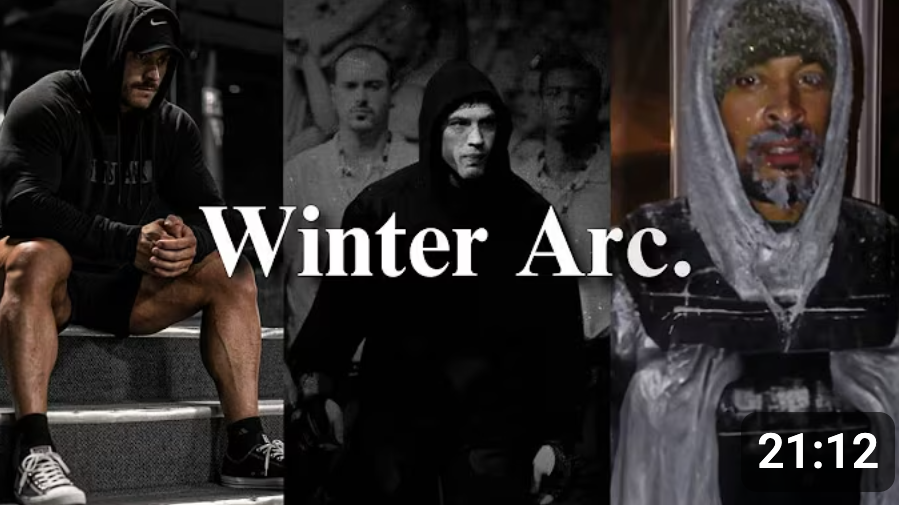
The hashtag does the heavy lifting.
The daily "Arc Log" posts do the rest.
When thousands of strangers share their morning walks, journaling setups, and sleep scores, the platform becomes the observer. And just like those factory workers in the 1920s, behavior spikes not because conditions get better — but because visibility increases.
There's a $7.3B industry hiding in plain sight. This is how Strava made their bones. Time for you to make yours.
Build the rails for it.
Read the full playbook here:
TikTok's Winter Arc accidentally proved social accountability drives 85-90% course completion versus 3-15% for self-paced learning, creating a platform opportunity.
From the Vault:
Meta's Threads courts podcasters while Spotify opens comments—but nobody's unifying the fragmented conversation layer across platforms worth $8B in annual ad spend.

TikTok couples are running relationship tests with 56M+ views. No product captures the data. Gottman's research proves the science.


