


Somewhere between the third hour of doomscrolling and the fourth Instagram reel about "cozy mornings," an entire generation decided they'd rather learn to identify a red-tailed hawk. Young adults are rebuilding their relationship with tactile, low-stakes hobbies as a direct antidote to screen fatigue, and the market infrastructure hasn't caught up. Most hobby brands still package their products like it's a Michaels endcap in 2004.
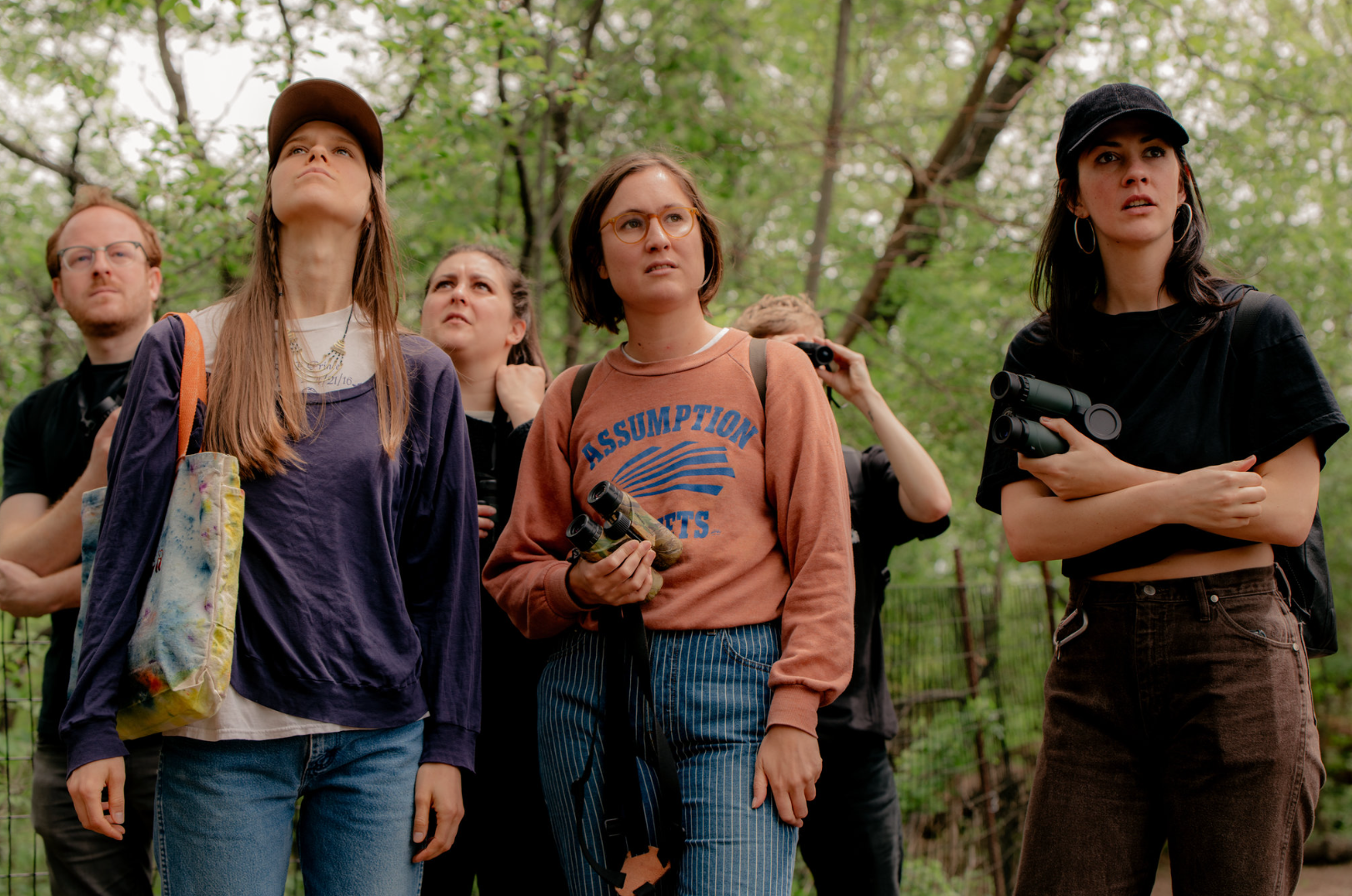
The play: launch a design-forward birding starter kit as the wedge, wrap it in a ritual-based onboarding program, and scale into a membership-driven platform across multiple "slow hobbies" — fiber crafts, puzzles, journaling, nature walks. A single hero SKU at $79–$149 with ~62% gross margins, layered with an $8–$12/month membership, gets you to $29K–$33K MRR by month 12 with a clear path to $100K MRR within 18 months. Execute this correctly and you're not running a cute kit company. You're building a category brand with a membership layer that compounds through community, programming, and repeat rituals. Glossier's playbook applied to the offline world.
The Setup
Three forces are converging, and they reinforce each other.
The behavioral shift is real and durable. A May 2025 survey of 1,600 Americans ages 18–28 found the majority now have at least one "grandma hobby," citing mental health and enjoyment as the top drivers. Pinterest's 2025 Summer Trend Report showed searches for "book club crafts" up 558%. Google Trends shows "analog hobbies" surged 160% in a single 30-day window in early 2026. The U.S. craft and hobby market is projected to hit $74.3 billion, with online hobby supply sales at $25.3 billion — large and persistent, not purely trend-driven. This is a behavioral correction fueled by overstimulation, not a TikTok moment.
Birding is already massive — just poorly branded. U.S. Fish & Wildlife Service data shows 96 million Americans (about one-third of adults 16+) engaged in birding in 2022, spending a collective $107.6 billion on bird-related activities across 7.5 billion birding days. The average birder spends 78 days a year birding. The global birdwatching tourism market was valued at $66.2 billion in 2024, projected to reach roughly $95 billion by 2030 at around 6% annual growth. The birdwatching equipment market (scopes and binoculars) hit $1.13 billion in 2021, projected to reach $2.12 billion by 2033 with North America holding 39% of that market. Enormous spending behavior, almost zero modern consumer branding aimed at beginners.
Technology lowered the intimidation barrier. Nobody closed the identity gap. Cornell Lab's Merlin Bird ID app now has 10+ million users, covers 10,000+ species, and can identify birds via photo, sound, or description in real time. Cornell's eBird platform has accumulated over 150 million checklists from 1 million+ contributors. Merlin made birding learnable — but it doesn't make birding desirable or social. Merlin helps you identify a bird. Your brand helps someone become a birder. Different jobs entirely.
Why Birding Is the Right Wedge
If you need a single vertical that supports brand, community, and recurring behavior, birding is the cleanest first beachhead.
Built-in repeatability. The average U.S. birder logs 78 days a year — backyard birders average 67 days, away-from-home birders about 34. That's a weekly ritual baked into the activity itself: walk, spot, log, share.

Solo and social flexibility. Bird alone on a Tuesday morning or join a local Audubon walk on Saturday. You're not locked into introvert or extrovert positioning, which opens up product design considerably.
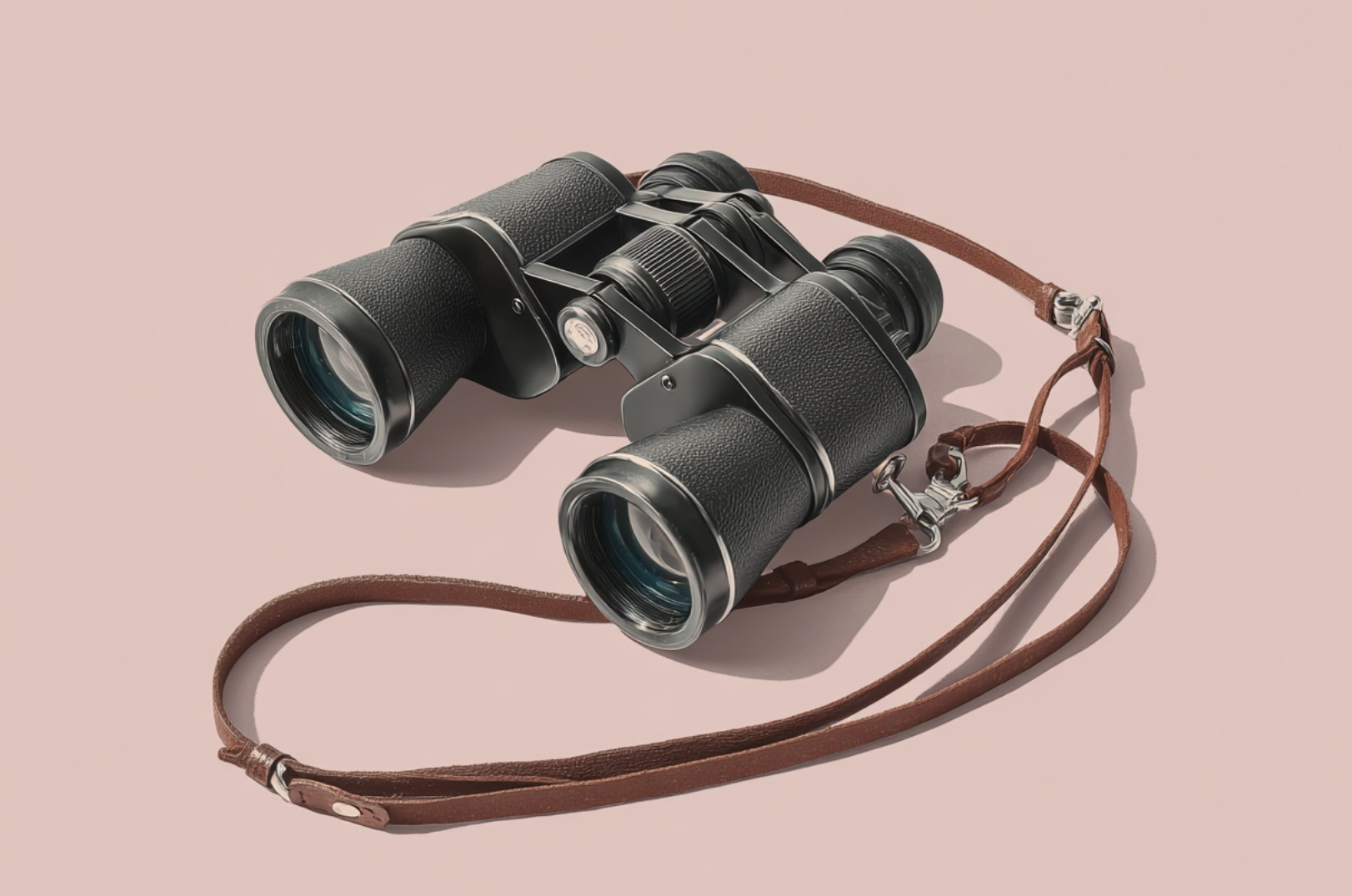
Gear-light at entry. A beginner needs binoculars and a field guide. Compare that to knitting (needles, yarn, patterns, gauge swatches) or pottery (kiln access, clay, glazes). Birding's simplicity makes for a clean hero SKU.
Values-aligned. Nature, calm, conservation, community — the exact values driving slow living.
You're not creating demand. 96 million Americans already identify as birders. You're giving existing demand a better brand to buy into.
The Trap Every Founder Falls Into
The obvious move is "subscription boxes for hobbies." Don't.
Most founders launch cozy hobby subscription boxes and drown in three predictable problems. Churn bleeds at 10–15% monthly with curation models. Anyone can assemble materials plus instructions, so you're instantly commoditized. And there are zero switching costs — no community lock-in, no data advantage to keep people around.
Joann Fabrics tried a subscription-based DIY craft kit service in 2024. Michaels acquired knitting brands. Amazon Handmade onboarded 500+ new craft kit sellers in a single quarter. If you compete on materials alone, you're racing to the bottom.
The winning move:
Unlock the Vault.
Join founders who spot opportunities ahead of the crowd. Actionable insights. Zero fluff.
“Intelligent, bold, minus the pretense.”
“Like discovering the cheat codes of the startup world.”
“SH is off-Broadway for founders — weird, sharp, and ahead of the curve.”


