


The Setup
Three point one million Americans die every year. Each death triggers a predictable, intense spike of digital attention — friends, family, coworkers, loose ties — all converging on a single URL: the obituary page.
Tribute Technology, the dominant funeral-home software platform powering over 9,000 providers, logged more than 550 million obituary visits across its client websites in just the first half of 2025. More than 25% of all that traffic hits within the first 48 hours after death. It drives condolence messages, flower orders, charitable donations, and attendance decisions. Digital now accounts for the majority of death notices as print continues to decline.
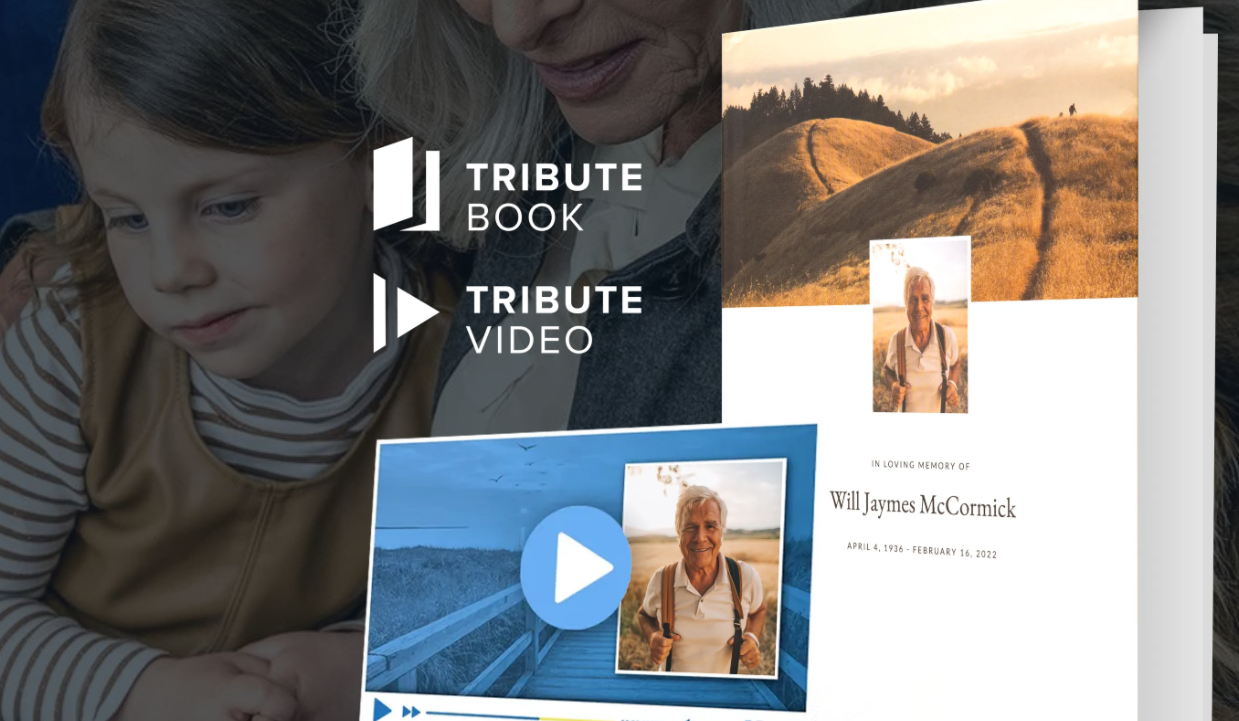
The obituary page has become the single highest-intent surface in the entire death-care ecosystem. And what families get, even in 2026, is a text box, a headshot, and a guestbook.
A single "Signature" memorial — a 45-minute interview turned into a polished multimedia story page — sells for $999–$2,500 direct-to-consumer, with roughly $750/hour in value creation after editorial costs.
Families already spend $200–$500 on newspaper obituaries that run for one day. A premium digital memorial that lives forever and gets shared with hundreds of people is a straightforward upgrade.
At scale, 100 funeral home partners each selling 4 memorials per month puts you past $3.6M in revenue by Year 3, with zero ad spend and real margins.
The incumbents see the surface. Tribute's Obit360 launched mid-2025 with scrollable mobile-first layouts, embedded e-commerce, and improved SEO — firms using it reported a 97% increase in page visits and a 60% jump in sympathy gift purchases. Legacy.com (40 million monthly users) shipped ObitWriter, a completely free AI obituary drafting tool available to both families and funeral directors, training the market to accept AI assistance during grief. Chptr ($3.9M raised, backed by Accel) partnered with Tribute to launch the country's largest broadcast memorial platform, distributing video obituaries to local TV stations through Hearst, Sinclair, Gray Television, and Paramount.
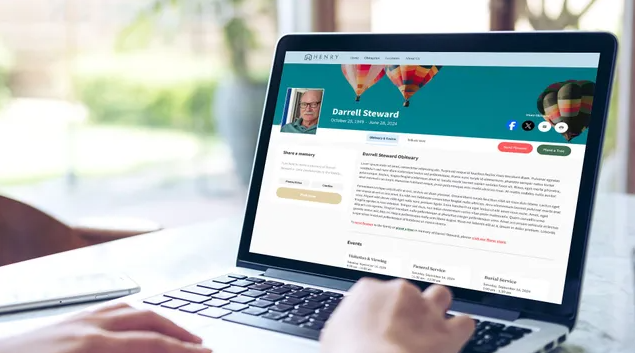
The category is waking up. But it's waking up the way incumbents always do: workflow-first, template-heavy, optimizing for coverage and scale rather than craft. They are not set up to build a high-end editorial brand with strict style guides, design restraint, and human editors on call.
That's the gap. You can build something that feels like love instead.
The Play
Wedge Product: The Vogue Obituary
You're not selling "AI obituary writing." You're building a productized editorial service — a scrollable, multimedia Life Story page that feels closer to a longform profile in The Atavist than a funeral-home listing.
Every incumbent approaches memorialization as a utility. Upload photos. Fill in fields. Pick a template. Get a page. The opportunity is to approach it as editorial craft — where design and narrative are the product and AI runs quietly underneath.
Input:
- A folder/zip of photos and videos (or a Google Photos/iCloud link)
- Optional: a 30–45 minute interview with a trained "Legacy Editor"
10–15 guided prompts (structured memories, relationships, quirks, turning points)
Output:
- A mobile-first long-scroll story with chapters (Childhood → Love → Work → Oddities → Legacy)
- Media embedded inside the narrative, where each photo or video clip functions as a scene rather than a gallery thumbnail
- Social-ready share cards and prompted contributions ("Tell a one-paragraph story about their laugh / cooking / kindness")
- Privacy controls: public / unlisted / password
The page should feel like something a family is proud to text to 200 people.
The Trap to Avoid
Position this as "AI obituary writing" and you get flattened overnight.

Unlock the Vault.
Join founders who spot opportunities ahead of the crowd. Actionable insights. Zero fluff.
“Intelligent, bold, minus the pretense.”
“Like discovering the cheat codes of the startup world.”
“SH is off-Broadway for founders — weird, sharp, and ahead of the curve.”


