


In 2006: Americans bought fewer than 900,000 vinyl records. Dead format. Squeezed out by CDs, then iPods, then Spotify.
By 2024: 43.6 million units sold. Eighteen straight years of growth. Vinyl outsells CDs for the fifth consecutive year.
And roughly half of those buyers don't own a record player.
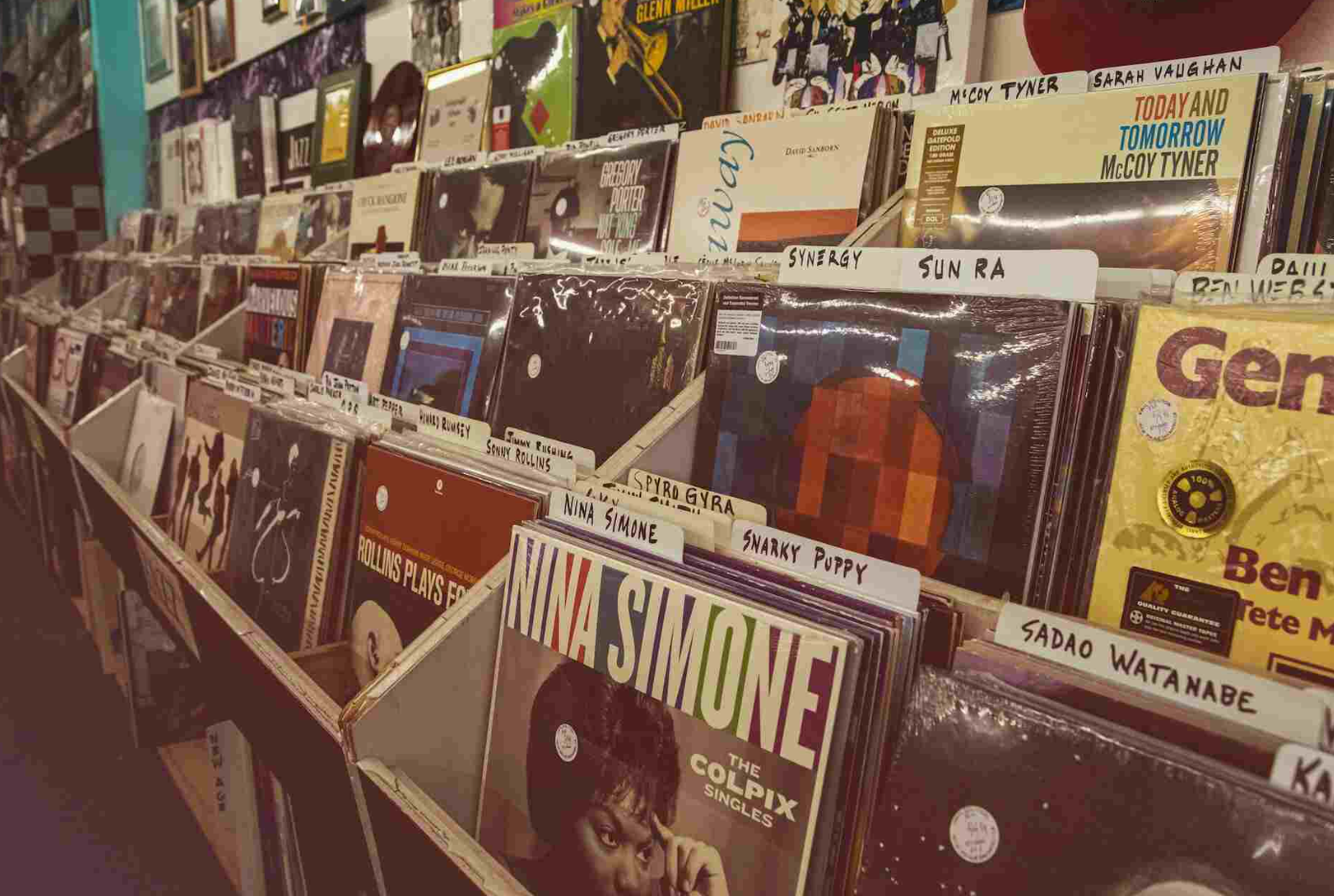
Think about what that means. The sleeve on the shelf, the act of choosing it, the signal that says I care about this enough to hold it. That's the product now. The music is almost beside the point. Dead formats don't come back for their original utility. They come back once they've aged into identity.
Paper maps are the new identity.

AAA produced 5 million last year. Sales up 20%+ annually since 2021.
Ordnance Survey saw custom map orders spike 144%.
Google Maps works fine. But Google will never ship a fold-out of your city's best bookstores, quiet parks, and late-night safe hangs. A $35 object designed like a Moleskine, sold at the indie café where you're already sitting.
The play: premium city maps for the phone-light generation. Artist collabs, bookstore distribution, a custom map generator. $32–49 retail at 50–60% gross margins, building toward $50–100K monthly revenue within 18 months with a tiny team.
Read the full playbook here:
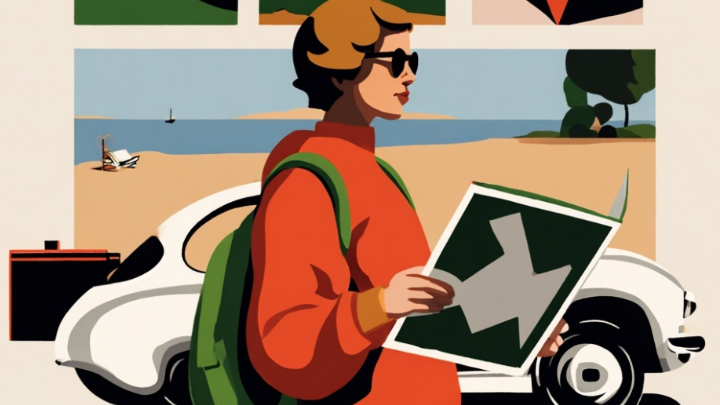
Paper maps surging as teen phone-free movement and indie bookstore renaissance converge, creating taste-driven distribution channel through physical spaces offline culture already inhabits.
From the Vault:
The roof inspection market is real and growing. Nobody's selling it as recurring patrol instead of one-off service calls.

Traditional law firms bill by the hour. AI-native providers charge flat fees and deliver same-day. The economics just inverted.


