


The Gap Nobody Is Filling
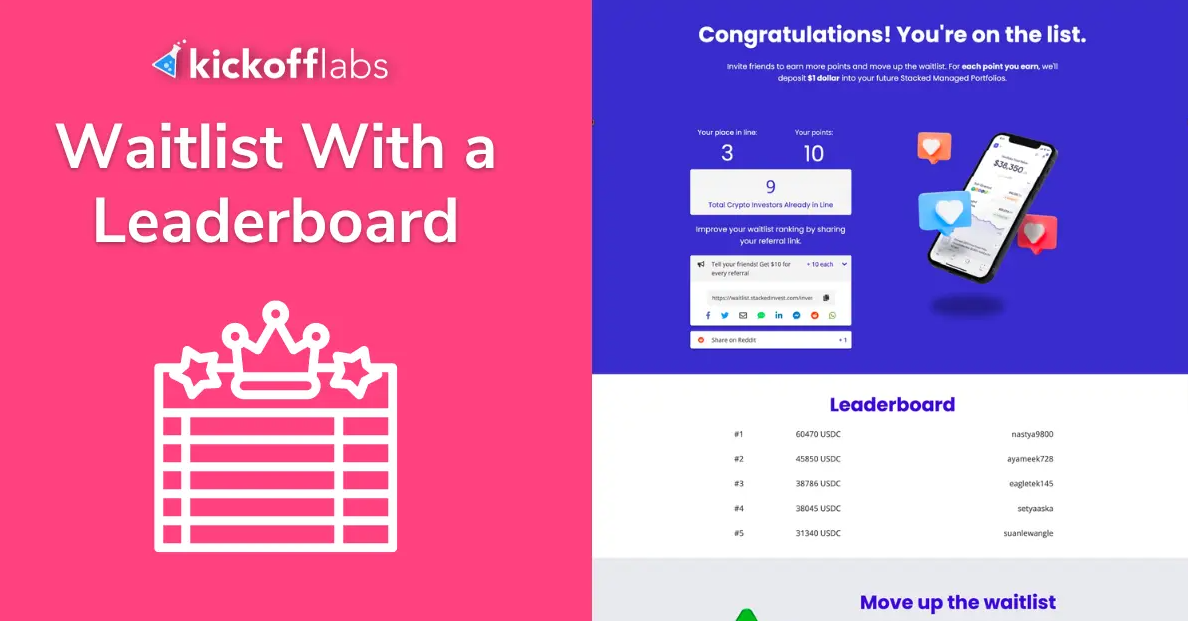
Every prelaunch waitlist tool on the market — Prefinery, KickoffLabs, LaunchList, and dozens more — optimizes the same thing: signup mechanics. Forms, referral widgets, access gating. They help you build a list. They do not help you answer the only question that matters: should you build this thing at all?
That gap between "I have 5,000 emails" and "I have proof people will pay" is where founder time and capital go to die. CB Insights has consistently found that some form of "no market need" is the top reason startups fail. An eight-year study of over 83,000 consumer product launches found 40% were gone within two years. The pattern holds: founders build too long without revenue signals, then discover nobody cares.
The play is a decision layer that sits on top of the waitlist — a structured operating system that compresses a startup idea into a verdict (build, pivot, or kill) inside 14 days using real demand data.
A solo operator or two-person team can realistically hit $27,500/mo in SaaS revenue at 500 customers, stack another $60K/year from paid cohort sprints, and compound a benchmark dataset that gets harder to clone with every experiment run.
The economics are straightforward, and the MVP ships in weeks — especially if you're already comfortable with vibe coding your way through a product sprint.
Gaurav Vohra, who ran Superhuman's waitlist from zero to over 500,000 signups, published data showing their waitlist-to-customer conversion within 7 days hovered around 3%, versus roughly 10% for the live signup funnel. Over 3x worse than letting people buy immediately.
Conversion also decayed the longer someone sat on the list — the waitlist wasn't building anticipation, it was bleeding momentum. No existing tool treats waitlists as what they actually are: a signal collection mechanism, not a growth strategy.
Call it Pre-Product Demand Engineering.

The timing works because builders can now ship faster than they can generate signal. AI tools, no-code platforms, and composable stacks mean a competent solo operator can have a working MVP in days. The bottleneck has shifted from "can I build this?" to "should I?" The micro-SaaS market is projected to grow from $15.7 billion to $59.6 billion by 2030. Communities like Indie Hackers, r/SaaS, and the build-in-public movement on X have created a massive audience of people who start businesses every month — most of whom skip validation entirely. They need a structured, fast, affordable system to test demand before they commit.
The Product: What You're Actually Building
Existing waitlist tools sell plumbing. You're selling a verdict.
The core promise: "In 14 days, you will either collect proof of paid demand, or kill the idea with data."
Three assumptions anchor the methodology:
- Viral without sales is a bug. Optimize for replies, interviews booked, and pre-orders — not impressions.
- The waitlist is the first product. Treat it like a membership experience with segmentation, surveys, and updates.
- Most ideas should die fast. The system celebrates a quick kill as a feature, not a failure.
The Input
One-line idea + target persona + price band + where they hang out. That's it. Everything downstream is generated or guided from this seed.
The Output Stack
Unlock the Vault.
Join founders who spot opportunities ahead of the crowd. Actionable insights. Zero fluff.
“Intelligent, bold, minus the pretense.”
“Like discovering the cheat codes of the startup world.”
“SH is off-Broadway for founders — weird, sharp, and ahead of the curve.”


