


In a Japanese lab in the mid-90s, researchers taught macaque monkeys a party trick: use a rake to pull food that was just out of reach.
It looks like a cute circus move. But the researchers weren't watching the monkey. They were watching its brain.
They recorded activity in neurons that track "me" versus "not me"—the space around your hand where you can grab, touch, act.
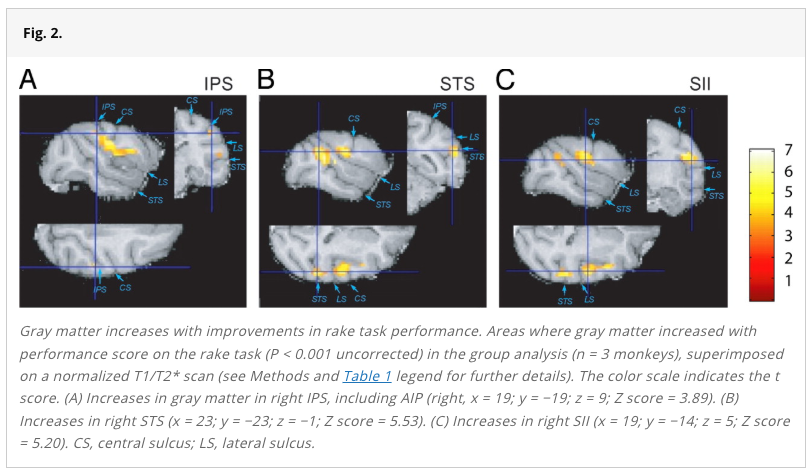
At first, those neurons fired for objects near the monkey's hand.
Then the monkey got good. Some neurons started responding as if the tip of the rake was the hand. The brain didn't just control the tool—it absorbed it into the body map.
Your tools become part of your identity. Ownership is something your nervous system learns by doing, and the fastest route to feeling capable is holding something you made.
Smart, high-income people feel weirdly hollow right now for this exact reason. Their work is impressive, but it's intangible. There's nothing to point at, nothing they can feel.
Today's Featured Opportunity hits that nerve: premium "manual competence" weekends for knowledge workers.
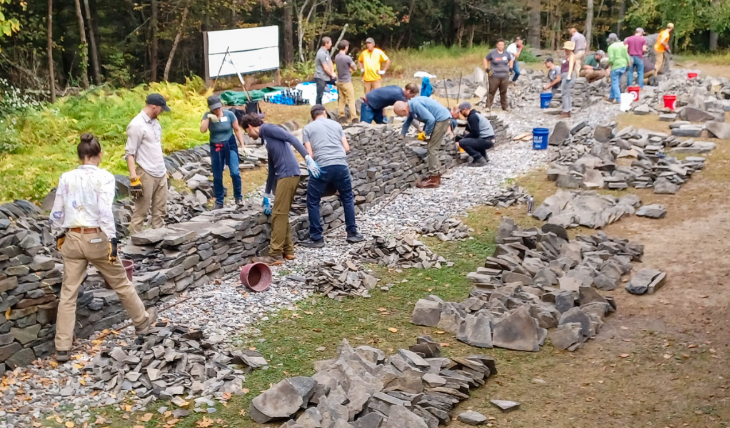
Think welding, stone walls, small-engine rebuilds, carpentry—a curated two-day immersion where they leave with (1) a real artifact they made, (2) a physical token like a patch or dog tag, and (3) a legible badge they can wear on the internet without sounding cringe.
Price at ~$2,750 per person, ~14 seats per cohort, and you clear $22K profit per weekend. Twenty weekends from one location gets you to ~$440K gross profit.
The retreat cashflow funds the credential ladder—a CrossFit-style "Level 1" that means something everywhere.
Read the full playbook here:
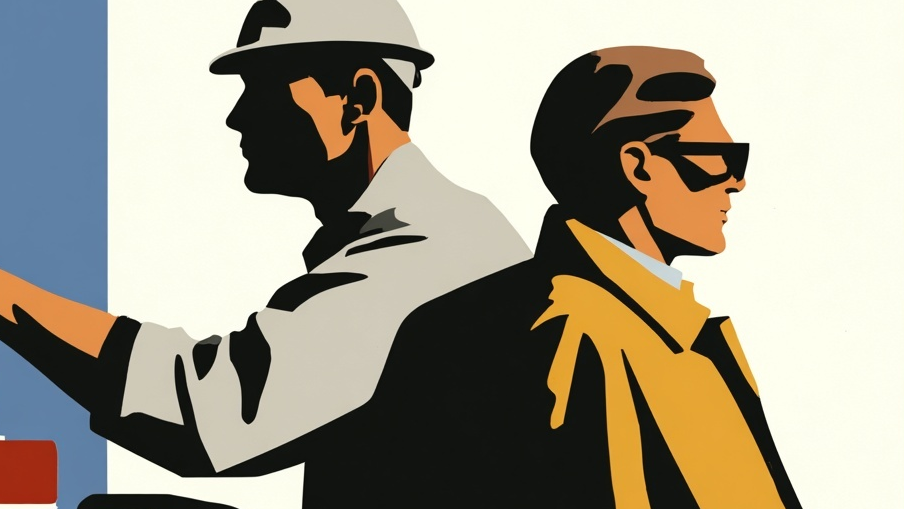
Fashion distributed workwear as identity. High-income professionals want the competence to match—and they'll pay premium retreat prices to earn it.
From the Vault:
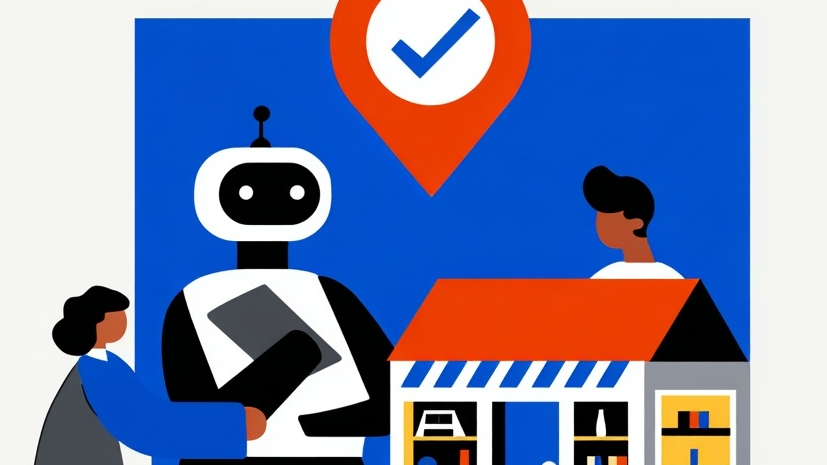
AI assistants are shifting from ranking links to selecting winners. Multi-location businesses will pay six figures annually to become the trusted source agents call first.
Bluesky's custom feeds fragment distribution across hundreds of micro-algorithms. The cross-tool measurement and monetization layer doesn't exist yet—same opportunity SEO tools captured with Google.


