


In 2012, Oreo stumbled into a $3 billion insight that every MBA missed: People don't buy cookies. They buy permission to be weird.
Birthday Cake Oreos wasn't supposed to work. Limited edition. Cute gimmick. File under "forgettable."
Then it outsold every projection by 400%.
Here's what Nabisco did next (and why 99% of brands would've blown it): They didn't optimize. They weaponized chaos.
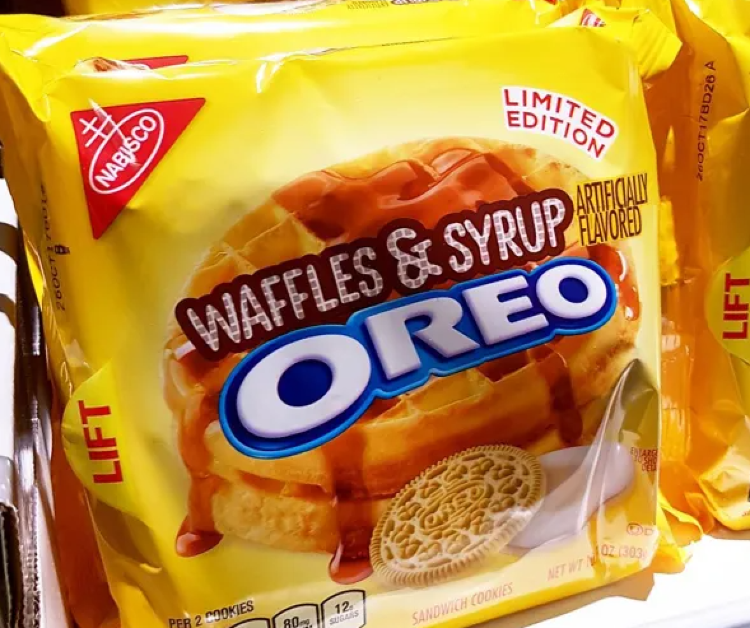
Built a flavor lab. Hired lunatics. Shipped watermelon Oreos. Wasabi Oreos. Swedish Fish Oreos. Every launch was a middle finger to focus groups. Every flavor was a cultural grenade wrapped in cream filling.
The boardroom panicked. Twitter went nuclear. Sales exploded.
Because here's the thing nobody tells you about attention economics: Novelty isn't a tactic. It's the entire strategy. The brands printing money right now aren't the ones perfecting their product. They're the ones turning their product into a recurring surprise.
Oreo stopped selling snacks. They started selling plot twists.
When you stop asking "what do customers want?" and start asking "what would make customers text their friends?" — the entire game changes. Loyalty becomes religious. Your category becomes your playground.
And right now, the most violent version of this shift isn't happening in CPG.
It's happening in fragrance — where TikTok just turned "what you smell like" into social currency.
The numbers are stupid: Pistachio perfumes selling out in 47 seconds. $138 bottles flipping for $400. GenZ treating scent combinations like sneaker drops.

But here's what the Estée Lauders are missing while they're rushing their next pistachio clone to market:
Nobody's building the laboratory.
The mixing station. The modular system. The Chipotle-for-fragrance where TikTok natives can stack, blend, and broadcast their signature scent like they're dropping a mixtape.
That infrastructure — the rails, not the perfume — is a $50M ARR business hiding in plain sight.
Read the full playbook here:
Gourmand fragrance searches exploded 77% while Kayali's pistachio scent went viral—but nobody's built the modular system TikTok's layering culture actually wants.
From the Vault:
While Blackbird scales restaurant loyalty nationally, hyperlocal coalition programs capturing cross-merchant neighborhood data represent an untapped $200K-per-district opportunity.
Acoustic sensors detect livestock respiratory disease 72 hours before symptoms, at 40x lower cost than smart collars—riding precision farming's shift from hardware to intelligence.


