


Coldplay's Mumbai concert sold out in 30 minutes. Hours later, those same tickets appeared on resale platforms at multiples of face value. Fans who'd waited months were shut out. The pattern repeats everywhere — Taylor Swift, BTS, Beyoncé, Bad Bunny.
Artists already allocate 15-30% of inventory to presales but have no credible way to verify real fans.
At $500/month per mid-tier artist and $0.50 per verified check, a 5,000-cap venue running three Superfan-gated shows monthly generates $7,500 MRR.
Scale that across 100 artists and 50 venues and you're looking at $425K MRR.
The infrastructure to capture this doesn't exist. The play isn't better bot detection. It's portable, verifiable fan identity that routes inventory before checkout to people who can prove they're real fans over time.
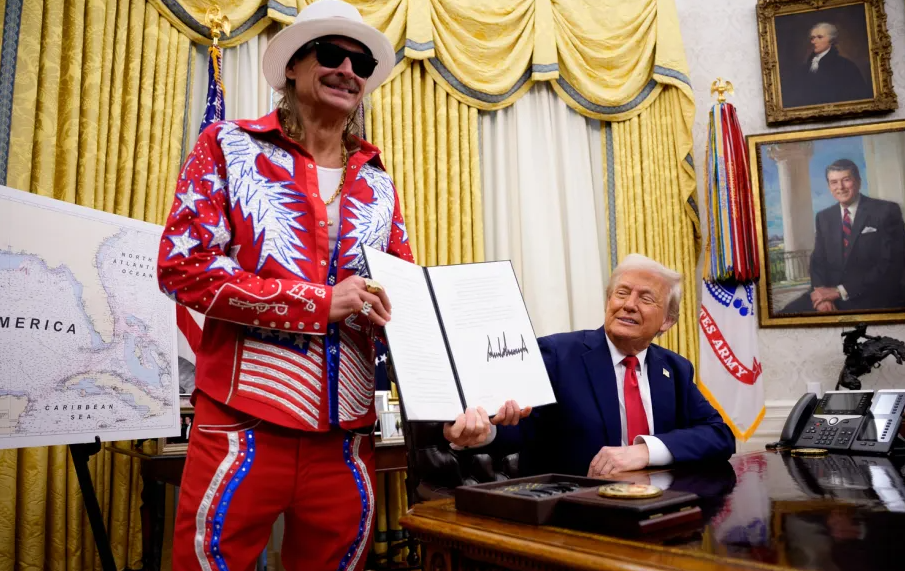
In March 2025, President Trump signed an executive order directing the FTC to "rigorously enforce" the BOTS Act after eight years of near-dormant enforcement. Two months later, the FTC filed suit against Live Nation and Ticketmaster, alleging the companies knowingly allowed brokers to exploit system weaknesses and collected $3.7 billion in resale fees between 2019 and 2024. The complaint used the phrase "triple dipping" — charging fees on the original purchase, the resale listing, and the resale transaction. State attorneys general are mobilizing enforcement under the BOTS Act for the first time.
Ticketmaster blocks 200 million bot attempts per day — five times more than in 2019. They're still losing. Bots now account for 40% of all ticketing website traffic. For high-demand shows, that share climbs well above 90%. Artists lose control of their inventory within seconds of onsale. Venues deal with angry crowds holding counterfeit passes. The entire system runs on artificial scarcity created by automated farms, not genuine demand.
Artists already allocate 15-30% of inventory to presales — email lists, fan clubs, credit card holders. But those gates are weak. Creating 50 email addresses takes five minutes. Scalper operations routinely maintain thousands of accounts across platforms. Ticketmaster's Verified Fan, launched in 2016, adds friction through registration windows and randomized code distribution, but it's still platform-locked and easily gamed. Automated operations can scale faster than platforms can detect them.
K-pop solved this differently. BTS's global ARMY membership runs through Weverse, where fans authenticate identity, link payment methods, accumulate engagement history, and earn tiered access to presales, exclusive content, and merch drops. The system works because fandom status is portable across tours, sticky across years, and expensive for bots to fake. Superfans spend $500-$1,500 annually beyond tickets. HYBE reports 45% of fan club users access services digitally, creating engagement flywheels that feed customer lifetime value without platform dependency.
Why the Obvious Version Doesn't Work
The first instinct: "Connect Spotify/Apple Music, prove years of listening, give artists a clean list."
Emotionally perfect. Structurally brittle.
Platform dependency kills it. Streaming APIs are tightening, not loosening. If your product lives or dies on Spotify's OAuth scopes, Spotify can kneecap you with one policy change. The typical endpoints aren't designed to hand you a neat, complete, multi-year listening history you can build a company on.
Worse: Ticketmaster already sells "Verified Fan" as their solution to this exact problem. When you pitch "better Verified Fan" to an artist manager, that pitch dies in procurement. You're selling a feature that a platform already owns.
If you ship "Spotify clean list," you're building a feature under someone else's platform risk. The real play requires independence.
Superfan ID: A Cross-Platform Fan Identity Standard
Superfan ID aggregates proof-of-fandom signals and turns them into access credentials artists can trust.
How it works
Fans connect what they control:

Unlock the Vault.
Join founders who spot opportunities ahead of the crowd. Actionable insights. Zero fluff.
“Intelligent, bold, minus the pretense.”
“Like discovering the cheat codes of the startup world.”
“SH is off-Broadway for founders — weird, sharp, and ahead of the curve.”


