


Immigration lawyers know law. They're terrible at translating TikTok analytics into USCIS-approved evidence.
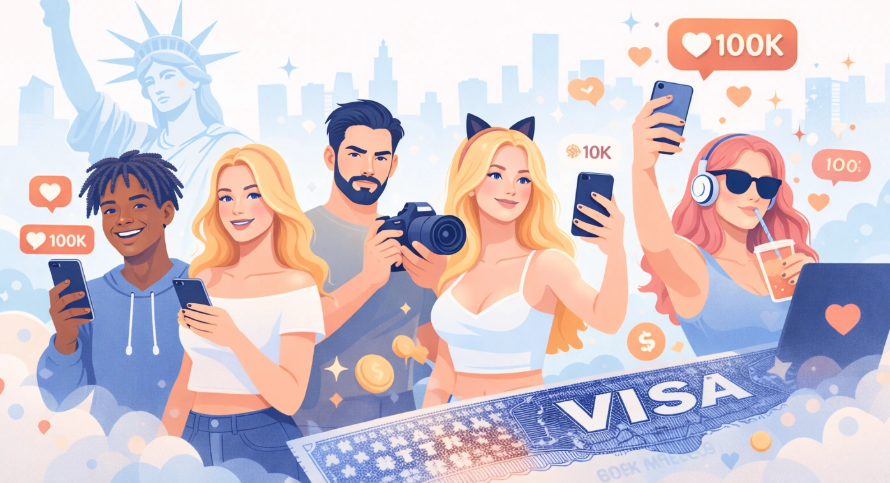
The Financial Times and Guardian both caught the same shift: OnlyFans creators and Instagram influencers flooding O-1B "extraordinary ability" visa applications. Immigration attorneys report creators now make up 50-65% of their O-1 clientele. Attorney Jacob Sapochnick's first OnlyFans client in 2020 was earning $250,000 monthly. After seeing her Stripe dashboard and platform metrics, his reaction: "Oh my god. Okay. I can use that."
The business case is clean. By Year 2, you're looking at 50 law firms paying $1,200/month, 30 cases monthly at $600 per case, plus 20 creators direct at $2,000 each. That's $118K MRR, $1.4M annually. If the firm-level numbers hold across the category, 10,000-13,000 creator O-1s are filed yearly out of roughly 20,000 total O-1 visas. Capture 5% and you're processing 500-650 cases per year.
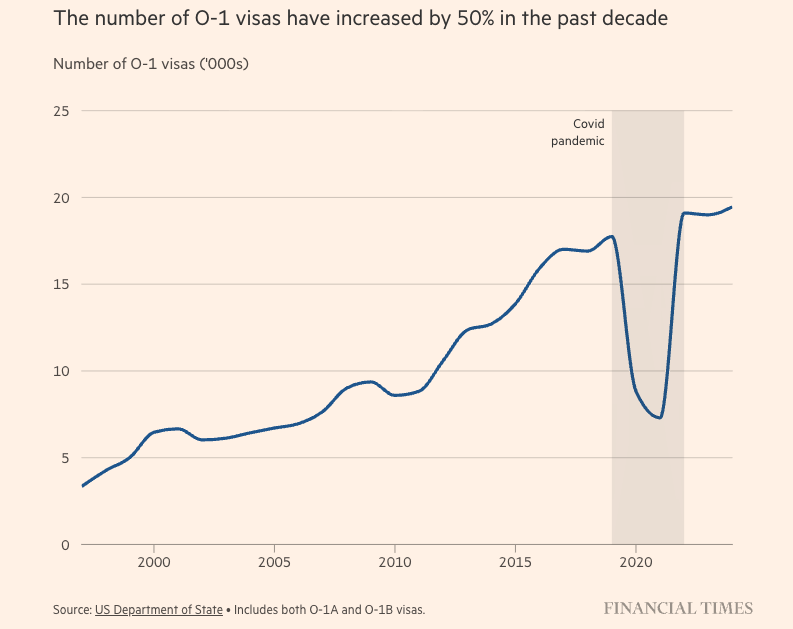
Between 2017 and 2024, the U.S. issued 125,351 O-1 visas—around 20,000 annually in recent years, up 50% from 2014 levels. USCIS criteria are rigid, creator success is liquid, and there's a massive translation gap between "500K followers and six-figure Stripe receipts" and "here's 300 pages of exhibits that map to eight evidentiary criteria."
That gap is the business.
Build the evidence layer, not another boutique law firm
Immigration lawyers interpret policy and argue cases. They're catastrophically bad at assembling creator evidence into USCIS-legible formats.
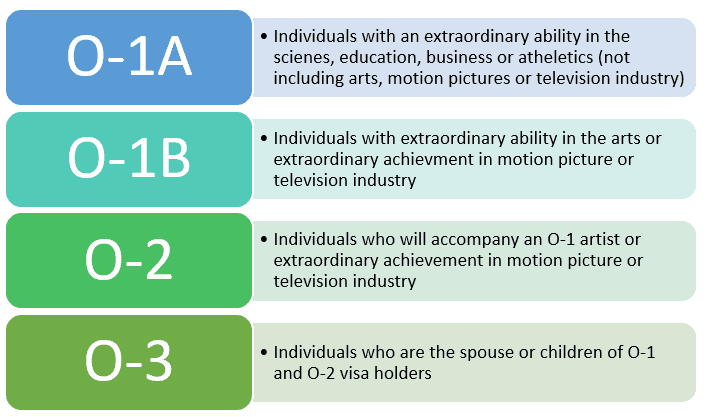
The O-1 petition lives and dies on structured exhibits, written narratives, and mapping evidence to criteria. You need to prove at least three of eight categories: awards, memberships in associations requiring outstanding achievement, published materials about you, judging others' work, original contributions, scholarly articles, critical/essential capacity for distinguished organizations, or high remuneration. USCIS policy manual emphasizes the evidentiary framework—not vibes, not follower count by itself, not screenshots thrown into a PDF. The agency explicitly uses "totality of circumstances" analysis and allows "comparable evidence" when traditional categories don't fit modern work.
Demand is real. Lawyer Michael Wildes—whose firm represented John Lennon in the 1970s—now says influencers are "the new niche field" and he has "tons of social media influencers" in his practice. Attorney Joe Bovino estimates 60-65% of his post-COVID clients seeking O-1Bs are content creators. Attorney Raymond Lahoud: "O-1B visas have been dominated by influencers and content creators."
Approval rates run 94-95% when cases are built correctly, according to USCIS data from FY2022-FY2024. The bottleneck isn't qualification—it's legibility. USCIS recently published clearer guidance on O-1B eligibility and updated its approach to "comparable evidence," particularly for digital-native work. In adjacent categories like EB-1A, the agency moved away from requiring traditional gatekeepers like Emmy nominations toward accepting modern proof of impact. That same regulatory direction applies here.
You could launch another boutique "Creator Immigration Law" shop and bill $6,000-$15,000 per case. Several firms already market exactly that.
Or you build the evidence infrastructure those boutiques will rent.
Creators don't struggle to be impressive. They struggle to be legible to bureaucrats.
USCIS adjudication is a paperwork sport. The petition requires Form I-129, consultant advisory opinions from peer groups or labor organizations, written contracts or agreement summaries, event itineraries, and the evidentiary binder itself—typically 200-400 pages of exhibits, each numbered, captioned, indexed, with source verification and criteria mapping.
Creators live in dashboards, screenshots, brand decks, sponsorship emails, Stripe/Patreon exports, platform analytics, and press that's half TikTok mentions, half podcast appearances, half "link in bio." None of this maps cleanly to "Evidence that beneficiary has performed in a leading or critical role for organizations with distinguished reputation."
You're building a translation engine. Messy clout becomes standardized evidence becomes criteria-mapped exhibits becomes a lawyer-ready petition pack.
You're not practicing law. You're producing evidence artifacts and organization systems. Lawyers argue the case. You manufacture the ammunition.
Start with the smallest thing that saves immigration lawyers 20-30 billable hours per case
Unlock the Vault.
Join founders who spot opportunities ahead of the crowd. Actionable insights. Zero fluff.
“Intelligent, bold, minus the pretense.”
“Like discovering the cheat codes of the startup world.”
“SH is off-Broadway for founders — weird, sharp, and ahead of the curve.”


