


In 1959, a former aviation engineer named Nils Bohlin cracked the code on automotive safety. Working for Volvo, he invented the three-point seatbelt—the single most valuable piece of intellectual property in the history of transport.
Volvo immediately locked it down with U.S. Patent 3,043,625.
Then, they did the unthinkable. They gave it away.
Volvo opened the patent to every competitor—Ford, GM, Chrysler—allowing them to use the design for free. They reasoned that the three-point belt was too fundamental to be a luxury add-on. It had to be a civilizational standard.
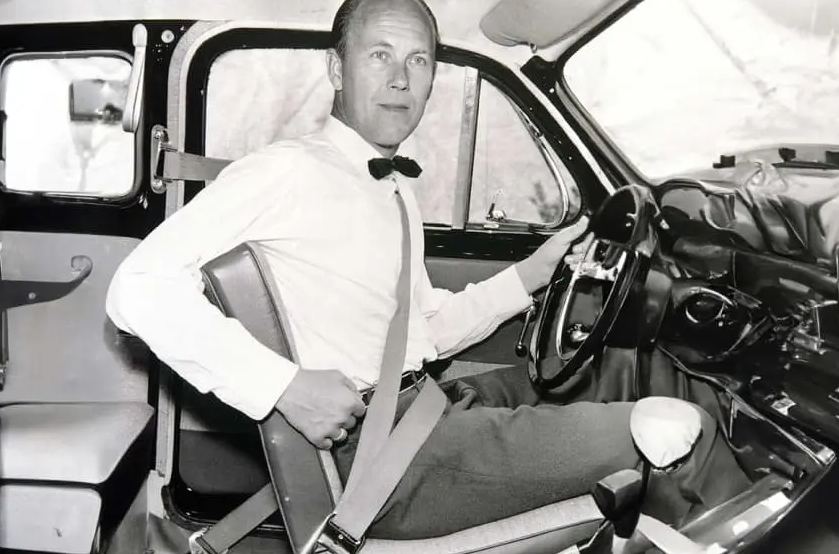
The MBA move would have been to charge royalties and mint a fortune in licensing fees. But Volvo chose a different game: they decided to own the concept of "Safety" forever.
By democratizing the tech, they lost millions in short-term revenue but purchased 60 years of unshakeable brand equity.
The lesson for founders:
We all try to dig moats.
Masters build the floor that everyone else stands on.
The Missing Standard
We are currently missing that floor for the modern home.

In 2026, 40 million Americans live alone—nearly one in three households. Yet our personal safety infrastructure is bifurcated into two bad options: clunky "I’ve fallen and I can’t get up" pendants for the elderly, or absolute radio silence for everyone else. We have optimized for privacy but forgot about proof-of-life.
The Opportunity: Build the Seatbelt for the Solo Economy.
A simple app in China called Demumu ("Are You Dead?") recently went viral by solving this exact problem. The premise is dead simple: tap a button once a day to confirm you’re alive. If you don’t, your trusted circle gets pinged. No tracking, no always-on surveillance—just a daily heartbeat.
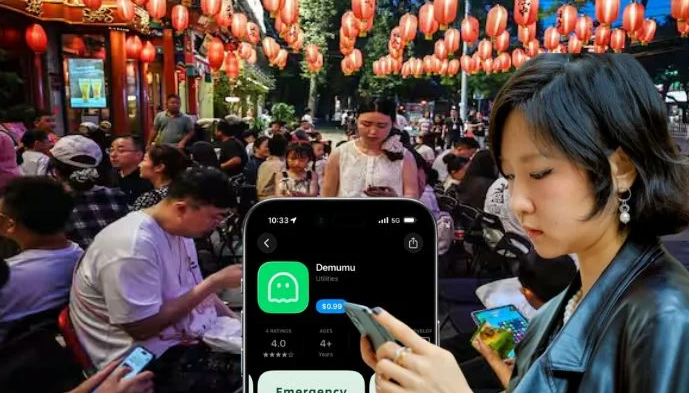
While incumbents like LifeAlert are fighting over the $10B "medical device" market for seniors, a massive gap has opened up for a "lifestyle" version targeted at the 25–65 demographic. This isn't a fear product; it's a utility.
The math is incredibly attractive for a bootstrapped founder:
- Target: Independent adults (25-50) who hate "medical" vibes.
- Price: $39/year (the "peace of mind" impulse buy).
- Math: Capture just 10,000 users and you’re generating $390,000 ARR with software-only margins and zero logistics.
Someone is going to become the default safety standard for the next generation of solo living. It might as well be you.
Read the full playbook here:
A Chinese app proved millions will pay for daily proof-of-life. The U.S. market is 40 million households and wide open.
From the Vault:
Apple's $13/mo creative bundle launches January 28. The cross-app template installer market is fragmented, undermonetized, and wide open for 90 days.

Product discovery broke. Consumers manually triangulate Reddit reviews and return data to avoid regret. Build the platform that productizes their labor.


