


Late summer, 1933. A thick Sears Christmas catalog lands on a kitchen table like a harmless brick.
For a few weeks every fall, American kids became product managers. They'd flip pages, negotiate with siblings, circle items with the seriousness of contract review. Parents ran the approval process, dispensing mostly "we'll see" and the occasional yes.
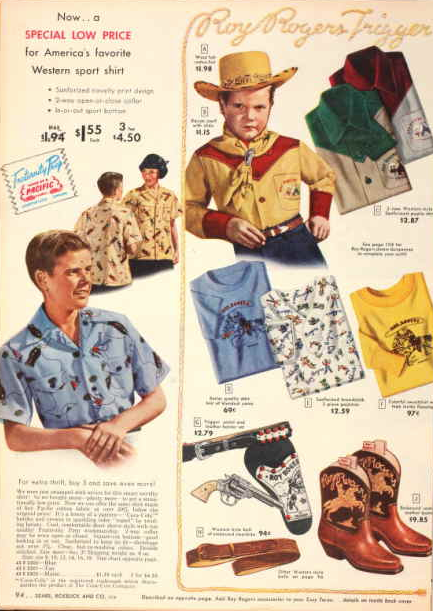
The Wish Book sold toys, but what it really standardized was the ritual around them. Kids browsed in public—siblings hovering, making deals. Negotiations happened in private with parents. Purchases came later, if at all. The catalog gave families a shared vocabulary for wanting, a way to organize longing into something manageable, even respectable.
While modern businesses optimize for "fewer clicks," few remember Sears built a machine that deliberately added friction—hundreds of pages to flip through—and still increased conversion. The catalog made desire feel organized, turning the chaos of "I want everything" into a manageable queue. In this market, speed matters less than clarity.
Ninety years later, the Wish Book didn't die. It migrated into your kid's pocket.
The catalog is now a TikTok haul. Those red circles became link dumps. But the negotiation still happens where it always did—at the kitchen table around 9:11pm, when a kid walks in like a tiny venture capitalist pitching a "can't-miss opportunity."
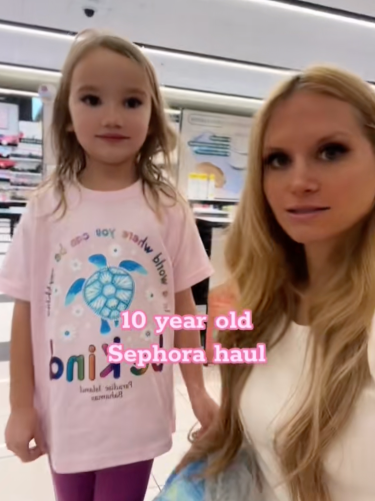
The structural gap is straightforward. Kids drive product discovery. Parents control the financial infrastructure: cards, shipping addresses, refunds, customer service. That handoff is chaos—screenshots that expire, broken URLs, "Is this website safe?" questions, "Is this even real?" concerns, "$18 shipping" sticker shock. And the silent tax: you're doing product diligence because an algorithm did the marketing.
The opportunity: Kid-to-Parent Checkout. A translation layer that turns chaotic internet desire into parent-grade decision cards, spending rules, and one-tap approval flows.
A family commerce rail. Clean, compliant, and built for the way households actually operate—not the way checkout flows assume they do.
Read the full playbook here:
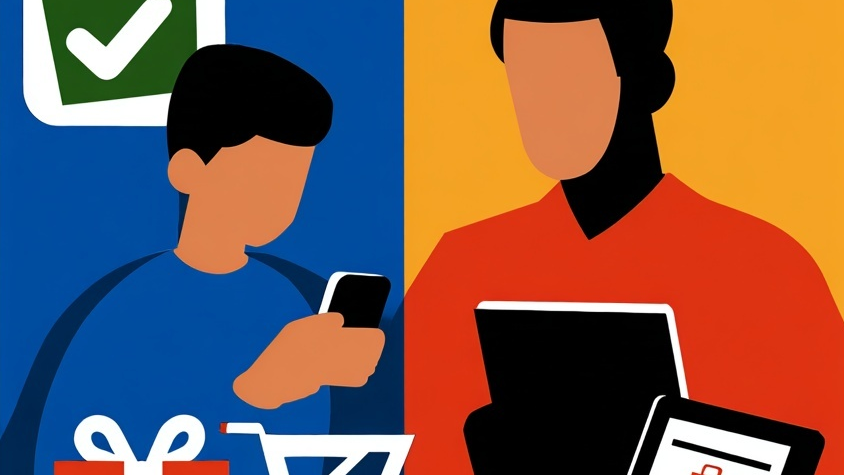
Gen Alpha drives $101B spending and influences 42% of household purchases. Discovery happens on TikTok. Conversion requires parent approval. The infrastructure gap is permanent.
From the Vault:

Video drives 58% of TikTok Shop's $33B GMV. The creative bottleneck creates infrastructure opportunity in the protocol layer above commodity UGC.
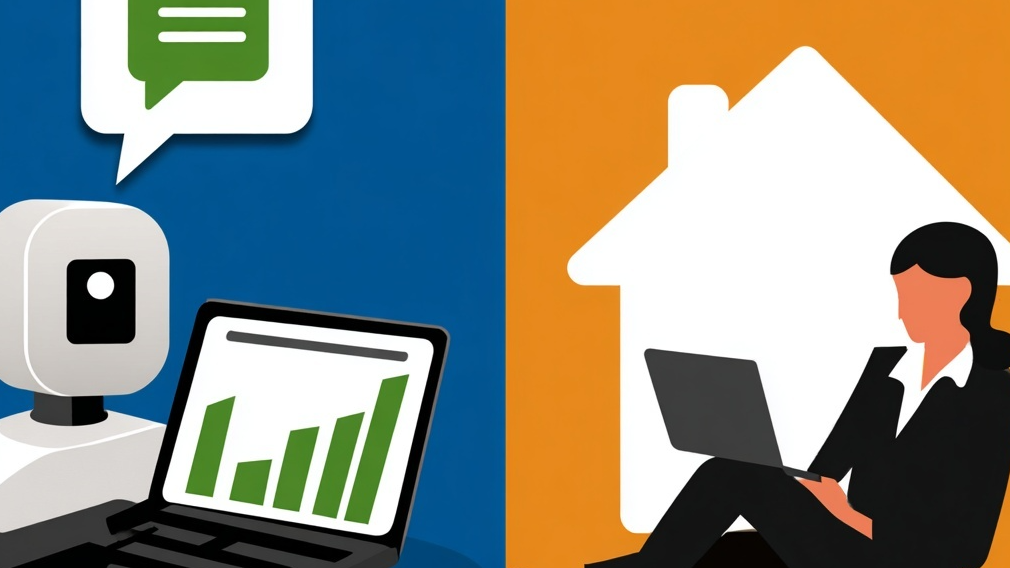
Google and OpenAI are training users to expect AI-run mornings. The free briefing normalizes the habit. The paid opportunity is vertical execution.


