


A guy in Providence digs out his driveway after a blizzard. Twenty inches of snow. He finds something rigid under the pile—a black-and-white tegu, frozen solid, barely breathing. He wraps it in a T-shirt, calls a local reptile shop, and the animal ends up at a wildlife center where vets treat severe frostbite. They remove dead tongue tissue. The headline writes itself: "Lizard in a Blizzard."
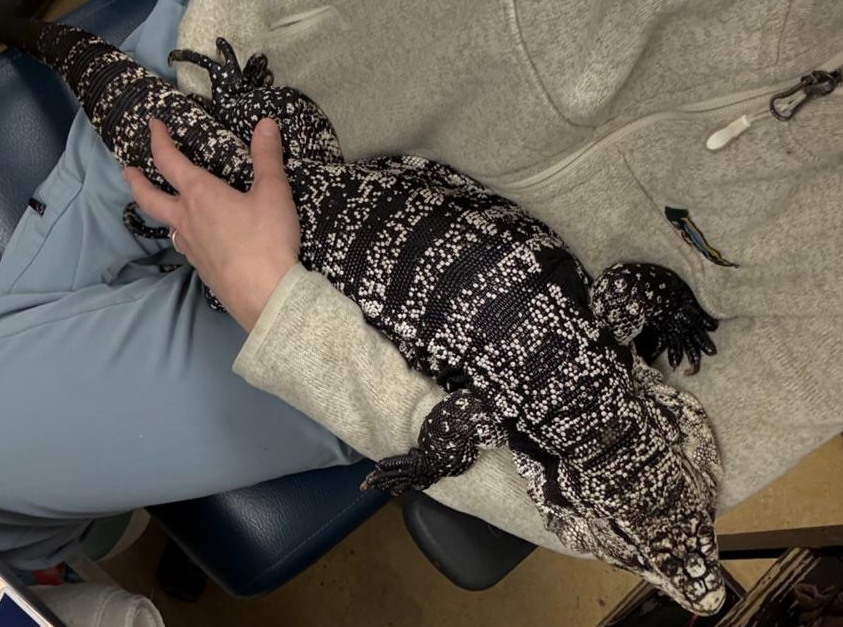
The tegu survived. But what happened next reveals where the opportunity lives.
The path runs through reptiles first—species-specific compliance gates, emergency protocols, and incident data that compounds into a defensible moat Rover can't replicate without rebuilding their entire infrastructure.
17.6 Million Animals With No Infrastructure
17.6 million exotic pets live in 9 million American households right now. That's one in ten U.S. families. Of those animals, 51% are reptiles, 26% are birds. The exotic pet trade in the U.S. alone is worth $15 billion annually.
Dogs have Rover. Exotics have a group chat, a specialty vet 40 minutes away, and panic.
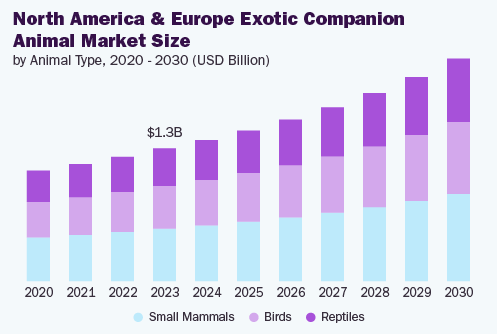
The pet boarding market hit $14.5 billion in North America in 2024, growing at 8-10% annually. Premium services are expanding at 13.87% CAGR as pet humanization drives willingness to pay. But in current market reports, dogs dominate boarding revenue (over half of spend), cats follow, and "other" is a residual bucket.
You're carving out a thin but growing slice, not tapping a coequal pillar. The addressable market for exotic boarding and emergency help will be smaller than the headline numbers suggest. But it's also completely unserved, which means the wedge is wide open.
What You're Actually Selling: Certainty Under Constraint
Rover's Terms of Service explicitly prohibit "exotic or inherently dangerous pets such as venomous snakes or constrictors, primates, wolves or wolf hybrids, non-domesticated cats, alligators, horses or other livestock." Their insurance doesn't cover anything outside dogs and cats. Even when sitters work off-platform, the model wasn't designed to price, vet, or insure exotic care.
The demand exists. The spend exists. The default solution doesn't.
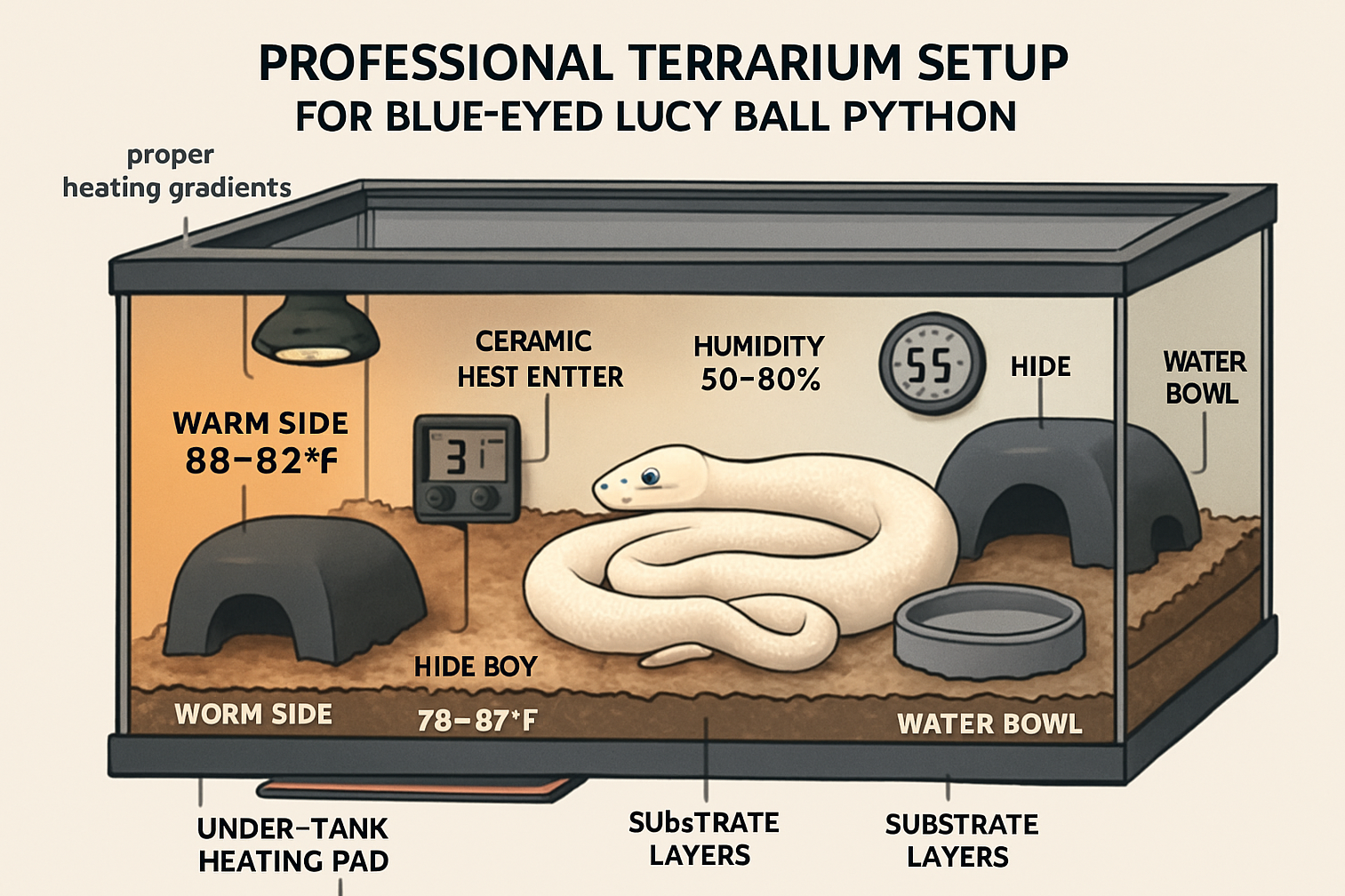
Exotic owners don't want "someone to stop by." They want certainty that the caregiver understands heat gradients, humidity, UVB requirements, brumation cues. They need confidence that a power outage won't become a funeral.
Consider what exotic pet owners face:
A power outage that kills heating lamps can be fatal for reptiles. Water chemistry changes can crash an aquarium. Birds exhibit stress behaviors that signal illness days before visible symptoms. Finding exotic-capable vets is already difficult. Finding someone who can recognize early warning signs during routine care? Nearly impossible.
The complexity is your moat. Edge cases break platforms. Rover's entire infrastructure—insurance, support, verification—is optimized for dogs and cats. Adding 1,000+ exotic species and 50-state legality complexity is misaligned with their risk profile and product DNA.
Regulatory Reality: The Constraint That Protects You
This is not optional infrastructure. This is the product – your compliance and expertise. Do your research to build the moat:
Unlock the Vault.
Join founders who spot opportunities ahead of the crowd. Actionable insights. Zero fluff.
“Intelligent, bold, minus the pretense.”
“Like discovering the cheat codes of the startup world.”
“SH is off-Broadway for founders — weird, sharp, and ahead of the curve.”


