


A 42-year-old who's dropped 40 pounds walks into a craft store on a Tuesday afternoon. She spends $200 on woodworking tools. Never touched a saw in her life.
Same week, a 38-year-old guy buys a $400 espresso setup. Complete beginner. He used to grab Starbucks between meals. Now he doesn't snack.
This pattern is creating a rare business opportunity: 12% of U.S. adults—roughly 30+ million people—are currently taking GLP-1 medications. Their grocery spending is down 5-8%, their snacking habits have vanished, and they're sitting on freed-up cash and time with nowhere to put it. Get the matching engine right, and you're looking at $1.2M+ in year-one revenue with a 2-person team and 60%+ margins. The craft economy already hit $45 billion globally. The GLP-1 wave is pushing millions into it.
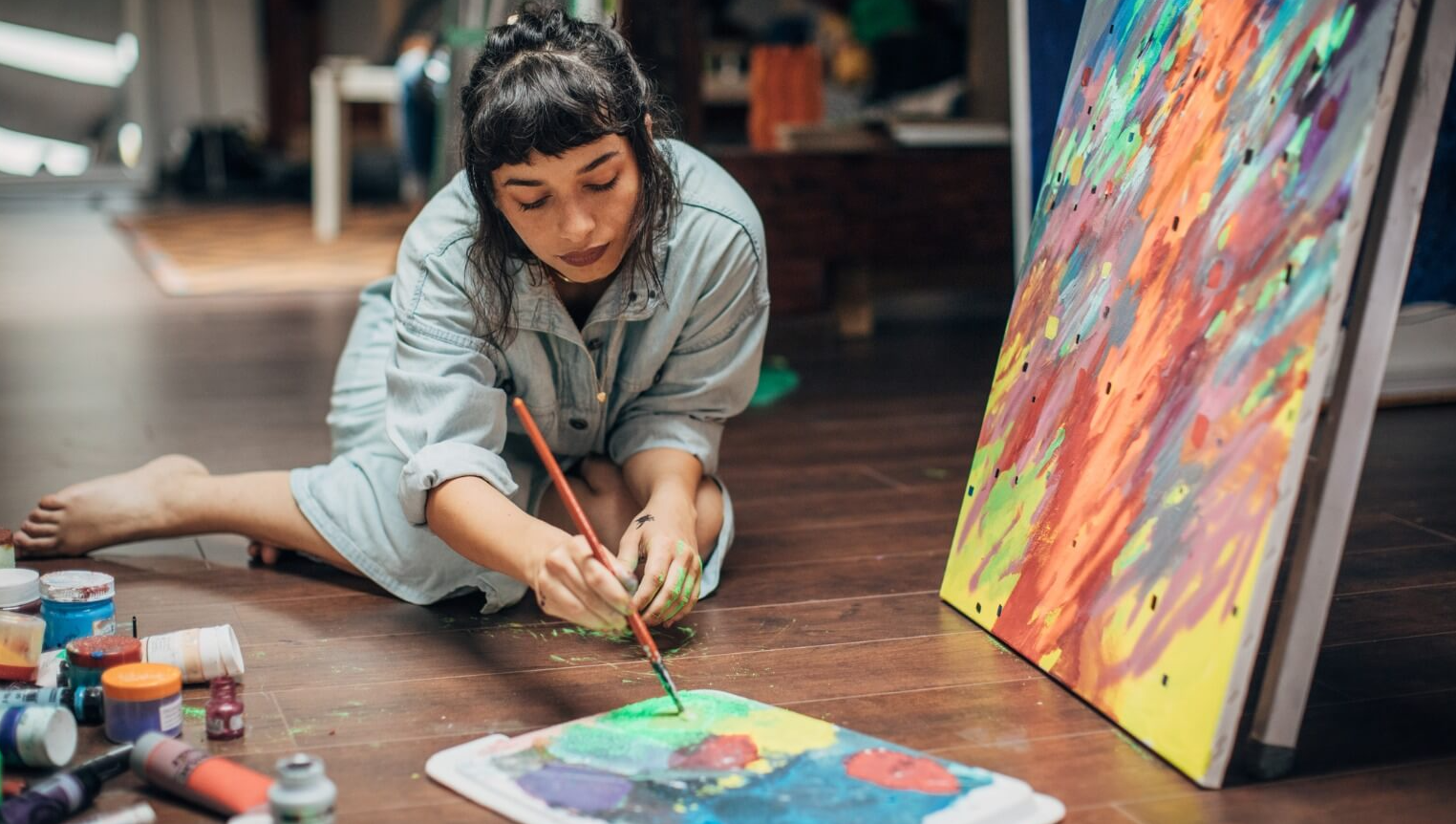
Arts and crafts retailers added 1.8 million new U.S. participants in 2024 alone. The DIY craft kit market hit $14.5 billion this year, projected to reach $27 billion by 2033.
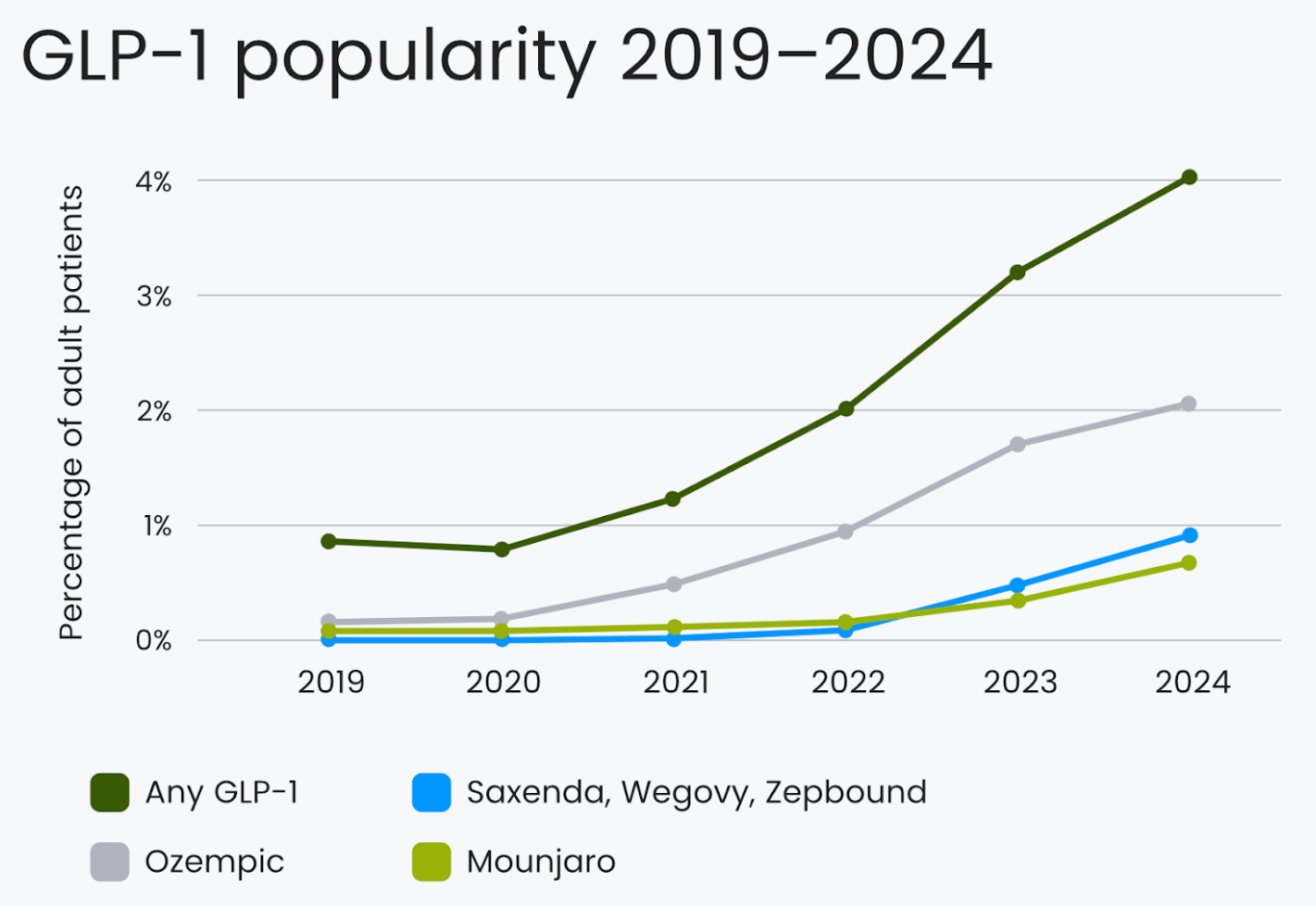
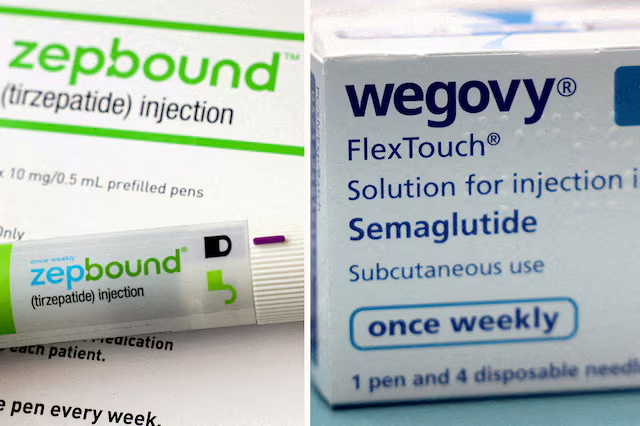
Something shifted. Nearly 1 in 5 U.S. adults have tried a GLP-1 medication like Ozempic, Wegovy, or Mounjaro, with about 12% currently on one. They lost weight. Their food cravings vanished. Their drinking often dropped off.
And then they got bored out of their minds.
The Dopamine Vacuum Nobody Named
GLP-1s didn't just shrink waistlines. They shut down the dopamine loops most Americans cycle through 8-12 times daily: snacking, treats, drinks, desserts, the drive-through run, the 3pm candy fix. Cornell research tracking 150,000 households found GLP-1 users cut grocery spending by 5.3% within six months—8% among higher earners. Fast food and coffee shop visits dropped 8%.
About 12% of U.S. adults currently take a GLP-1, up from 5.8% in February 2024. Among adults with diabetes, 26.5% use GLP-1 injectables. Users report average weight loss of 47 pounds. Spending on ultra-processed snacks down 10%, sweets and baked goods similar.
But here's what matters: 63% of patients who started in early 2024 remained on therapy at one year. That's tens of millions of people walking around with drastically reduced hunger (the drug literally reduces food noise), more disposable income, and a terrifying amount of unfilled time.
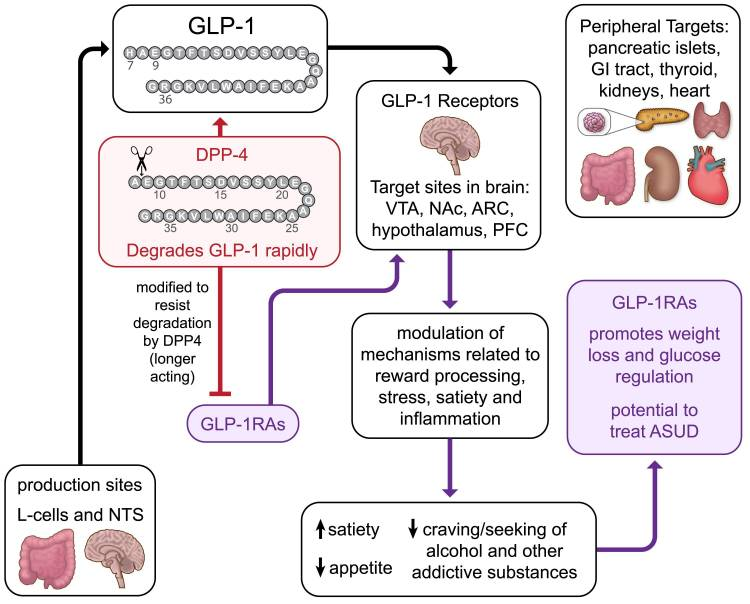
The research suggests GLP-1s may work on reward pathways beyond just food. Early studies show reduced alcohol consumption and cravings in some users—small samples, but directionally significant. When Cornell tracked what happened after people stopped taking the drugs, food spending didn't just return to baseline—it got slightly less healthy than before. The replacement loop collapsed.
The Cornell data also showed spending reductions stayed approximately the same after six months for users taking GLP-1s for diabetes, while for those using them for weight loss, the effect tapered in the second six months. The window matters.
The void is real. Medically induced in a rapidly growing population that skews female (women use GLP-1s at roughly 2x the rate of men in the 30-49 age bracket), educated, and higher-income (average household income $72k-91k).
These aren't wellness seekers. They're people whose default reward system got chemically turned down. They didn't become monks. They became available inventory for whoever builds the right replacement loops first.
Why This Became a Business Opportunity (Right Now)
Three forces converged in 2024-2025.
Adoption crossed the mass-market threshold. GLP-1 prescriptions for weight loss jumped 587% from 2019 to 2024. Among 18-39 year-olds, usage increased 588%. Major employers now cover GLP-1s (34% in 2024, up from 26% in 2023). Oral versions are coming, which will push adoption even higher.
The telehealth weight loss market hit $6.9 billion in 2023. Platforms like Hims & Hers, Ro, and Calibrate are burning millions acquiring customers—with roughly 18 million Americans using GLP-1s for weight loss or diabetes combined. Average spend per user: $610/year just on the telehealth service, not including medication costs.
The retention window opened. About 63% of patients now stay on therapy for a year (up from 40% in 2023). After that, retention drops sharply. Only 14% remain on Wegovy after three years. Cost is the main driver—45% cite it as the primary reason for discontinuing.
This creates a 12-18 month window where millions of people are chemically prevented from their old dopamine sources and actively hunting for new ones. After they quit, old patterns tend to return—unless they've built new ones. That's the hypothesis worth testing.
The craft economy was already primed. The global arts and crafts market hit $45-50 billion in 2024, growing 5.8% annually. Online craft sales in the U.S. alone: $22.2 billion. The DIY craft kit market grew from $14.5 billion to a projected $27 billion by 2033 (9% CAGR).
The growth isn't evenly distributed. The surge is in adult participation. Personal use now accounts for the largest share, driven by "mental well-being" and "hobby fulfillment." Code words for "I need something to do with my hands that makes me feel good."
The Business: Replacement Vice Architecture
Most markets are hard because you have to create desire.
This one is easier: Desire already exists. It's just homeless.
People on GLP-1s keep reporting the same pattern—food becomes "meh," alcohol becomes "meh," eating out becomes less exciting—but they still want something. A loop, a ritual, a reward.
Think of it as dopamine infrastructure for the post-appetite economy.
Phase 1: The Patch (30-Day Build)
A discovery platform + starter kits (with a simple wedge):
Unlock the Vault.
Join founders who spot opportunities ahead of the crowd. Actionable insights. Zero fluff.
“Intelligent, bold, minus the pretense.”
“Like discovering the cheat codes of the startup world.”
“SH is off-Broadway for founders — weird, sharp, and ahead of the curve.”


