


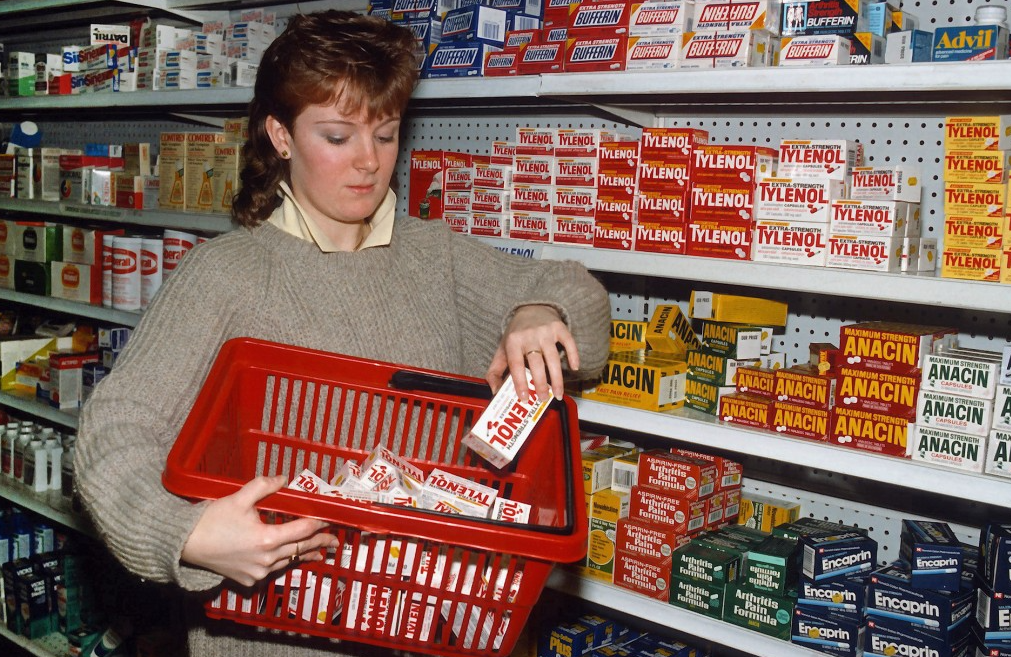
September 1982, Chicago suburbs. A 12-year-old girl takes an Extra-Strength Tylenol capsule for a sore throat and dies hours later. Then another victim. Then an entire family collapses in sequence, one bottle on a kitchen counter connecting three deaths like a grim domino trick.
Investigators eventually trace the common thread: someone had laced capsules on store shelves with potassium cyanide. Seven people died. Nobody knew how many bottles were poisoned or where the next one might be sitting—tucked in a medicine cabinet, rattling in a purse, forgotten in a glove box.
Johnson & Johnson's response became the textbook case not because they complied with regulations, but because they didn't bother threading the needle. They pulled Tylenol nationwide—31 million bottles—in a recall so expensive it looked irrational. Precision would have meant calculating which batches, which regions, which store lots. Instead, they torched everything.
When trust fractures completely, precision reads as evasion. The public doesn't reward surgical responses to existential crises. They reward choices so costly they can't be faked. "We complied with all requirements" sounds like "we got caught." Overcorrecting sounds like "we're willing to pay to be believed."
Trust doesn't return through carefully worded statements. It returns through painful, visible sacrifices that couldn't have been PR theater.
An "Overcorrect" Button for Creators
Beauty and wellness creators are navigating their own version of the Tylenol problem, except the poison is subtler. One unsubstantiated claim about skin benefits, one missing #ad disclosure, one overly confident statement about treating acne instead of reducing its appearance—and the comment section becomes a courtroom. Gen Z audiences don't just scroll past sketchy claims anymore. They screenshot ingredient lists and cross-check concentrations of active compounds. Regulators don't distinguish between "just sharing my routine" and making therapeutic claims. FTC disclosure penalties hit hard, and the FDA's line between cosmetic and drug claims is unforgiving.
When trust gets expensive,
the verification layer becomes lucrative.
Build the default overcorrection mechanism: a compliance-first script engine for beauty creators that scans an INCI label and generates a ready-to-film 15-45 second script in under 30 seconds. Multiple hook options, a tight citation pack linking to studies, and a claims linter that automatically rewrites risky phrasing into cosmetic-safe language. Layer in one-tap FTC disclosure overlays that work natively in TikTok and Instagram workflows so it doesn't become another tool that lives in a browser tab.
This isn't positioned as "AI scripts." It's credibility at speed—the kind of costly signal serious creators can't produce manually when they're posting three times a day. You're selling the same insurance J&J demonstrated: evidence that someone cared enough to overcorrect before the crisis hit.
Read the full playbook here:

Beauty influencer trust dropped 8 points while ingredient transparency became Gen Z's top driver. The gap is a compliance infrastructure opportunity.
From the Vault:
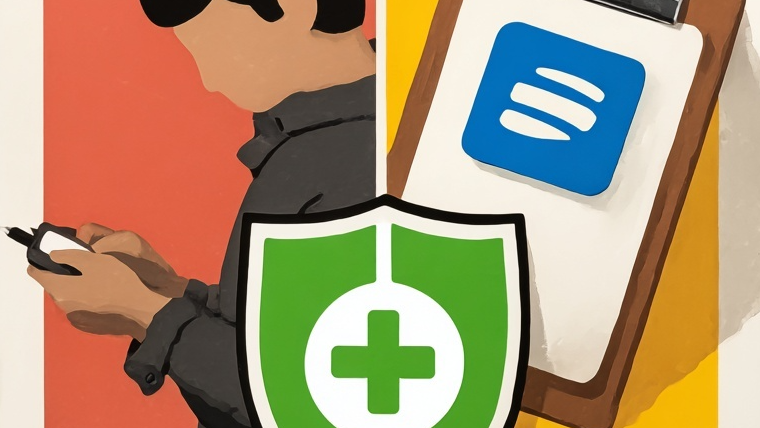
Organizations accidentally export tracking metadata through pasted links. A focused DLP layer could claim the URL hygiene category before incumbents notice.
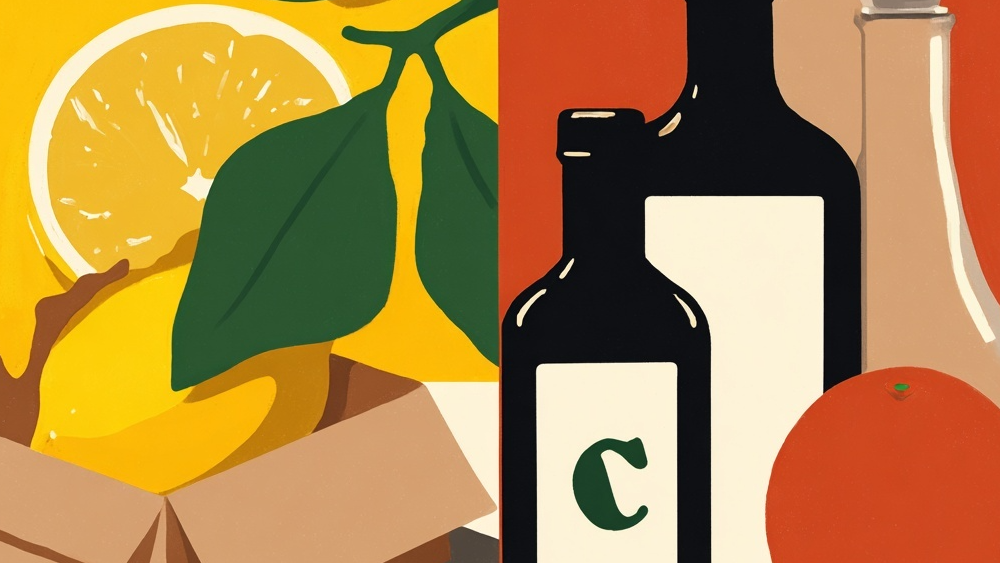
Industrial citrus waste holds verified bioactives. The arbitrage isn't making serums—it's becoming the certified supplier beauty brands depend on.


