


A mid-level brand marketer walks into r/mechanicalkeyboards with a genuine question about switch types. Within minutes, they're buried under mod warnings and accusations of astroturfing. Their LinkedIn profile gets screenshotted. Their brand name becomes a cautionary tale in modmail threads across three related subreddits.
That marketer followed the playbook: find your audience, join the conversation, add value. But they learned something uncomfortable. The old internet—where brands could show up anywhere with enough content—is dead.
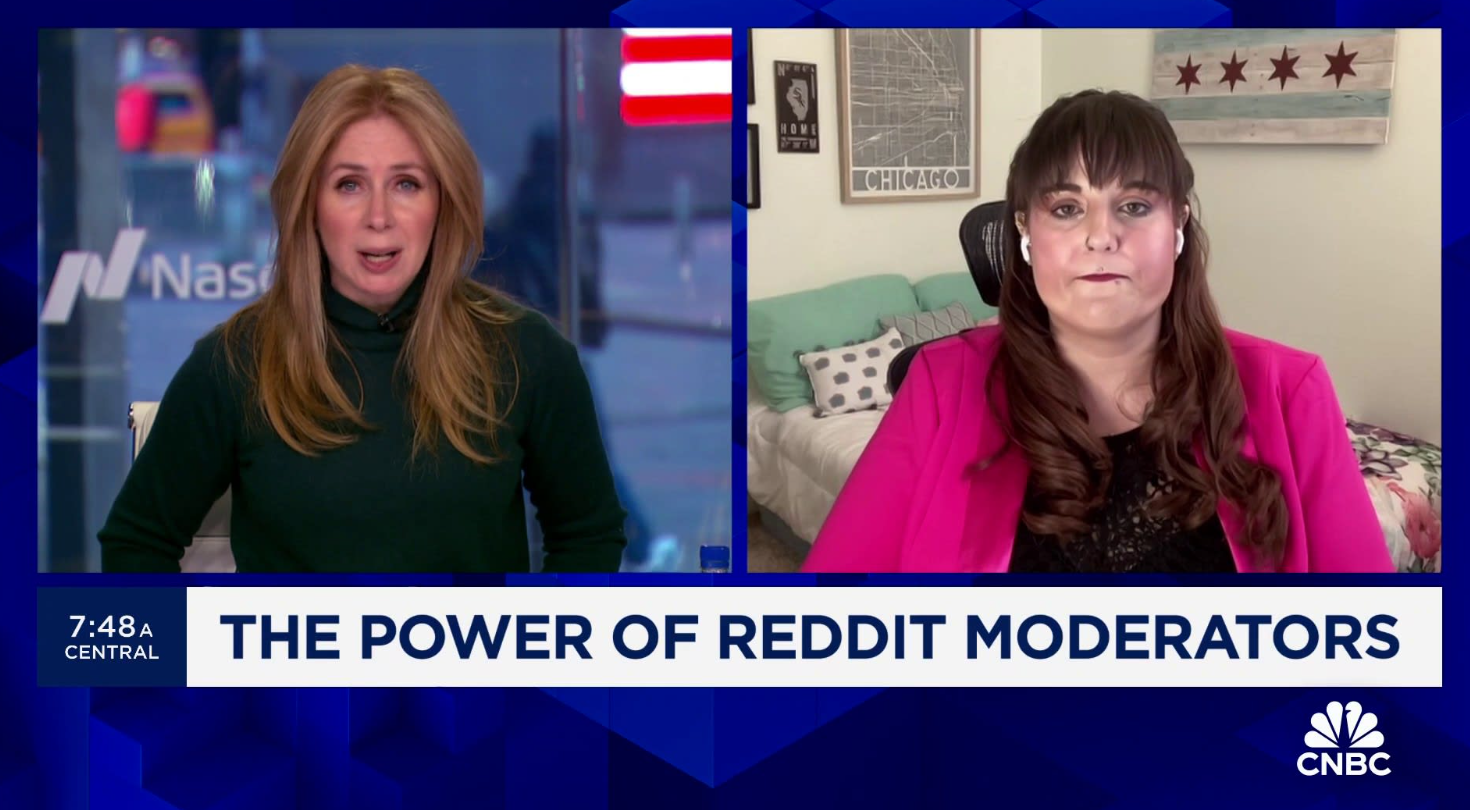
Welcome to clubhouse internet: thousands of tight rooms run by unpaid bouncers. Trust is the currency. Permission isn't something you buy—it's something mods grant, communities ratify, and brands earn through infrastructure that doesn't exist yet.
The arbitrage is massive:
- A single platform can turn moderating a top-tier 25K-member community from volunteer work into $50K-$90K annual income—with elite communities pushing higher.
- The same infrastructure scales you from solopreneur doing $135K annually to running a $600K+ operation with a small team.
The gap between what brands desperately need and what communities will tolerate creates the opening.
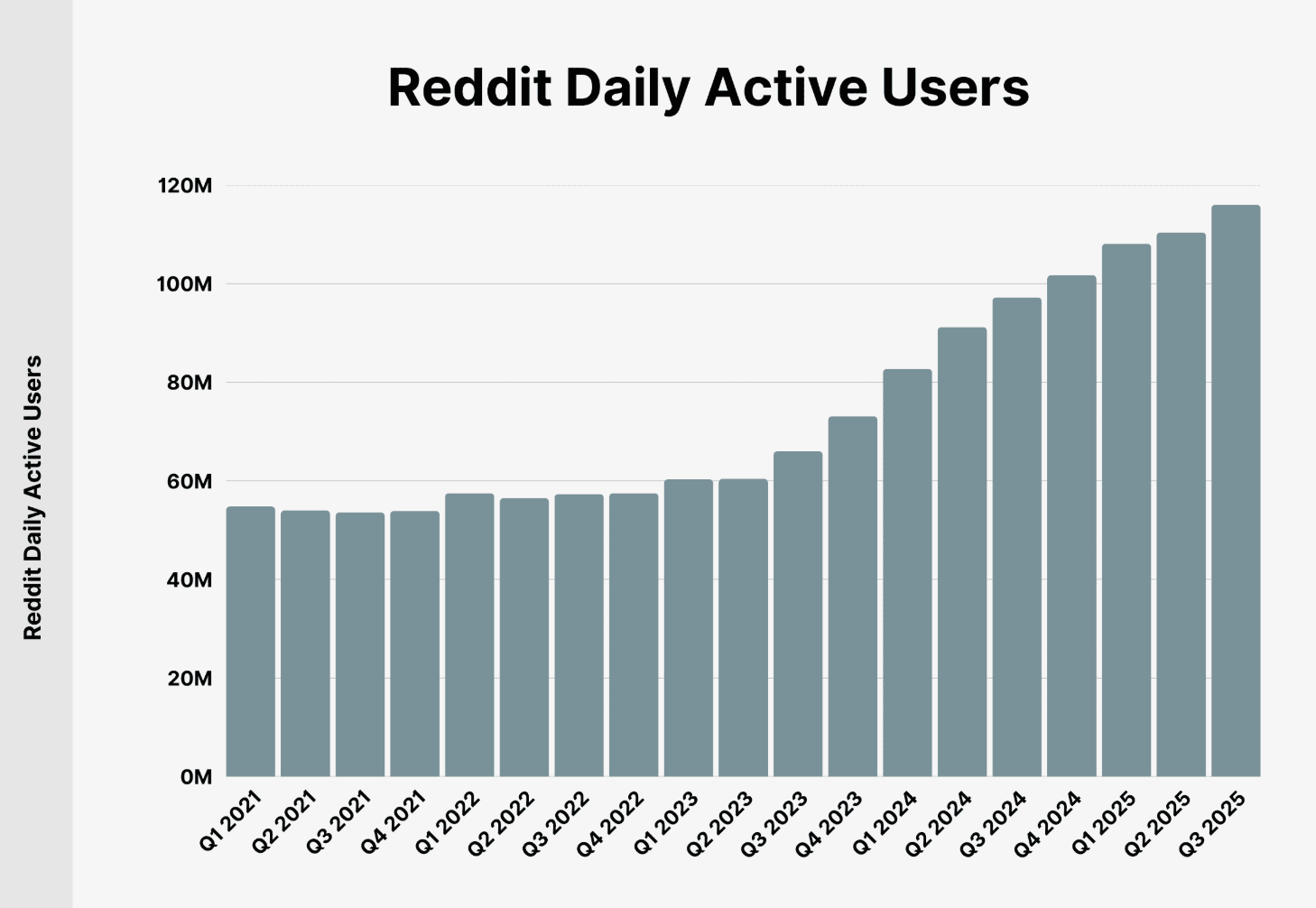
Reddit hit 116 million daily active users in Q3 2025, up 19% year-over-year, generating $585 million in quarterly revenue. Discord reached 259 million monthly actives with 94 minutes of daily engagement per user—the highest of any messaging platform globally. These aren't niche hangouts anymore. They're where purchasing decisions get made, where technical expertise lives, and where 72% of tech decision-makers go for peer reviews before buying anything.
But brand access to these communities remains broken. Reddit's own ad platform keeps upgrading targeting options while communities actively ban branded accounts for subtle promotional activity. Discord's $575 million in 2023 revenue came primarily from Nitro subscriptions—not from providing brands any systematic way into servers. The gap between platform scale and brand access is widening, not closing.
The opportunity isn't another influencer marketplace or community management agency. Those exist and they're already getting commoditized. The play is becoming the integration protocol—the trust infrastructure that lets brands and niche communities collaborate without either side getting burned.
Think of it as payment rails for brand-community activations. Not quite Stripe—community norms are far messier and more local than payment standards—but the same principle: making something structurally complex become systematically repeatable through trust scoring, compliance tooling, and proven formats.
The Structural Reality
Communities consolidated around governance, not just interest
Reddit operates with 60,000+ volunteer moderators who Northwestern researchers valued at $3.4 million in annual labor, representing 2.8% of Reddit's 2019 revenue. That number is artificially low—it only captures direct moderation actions, not the strategic work of establishing community norms, managing crises, or making policy decisions that shape millions of users' experiences.
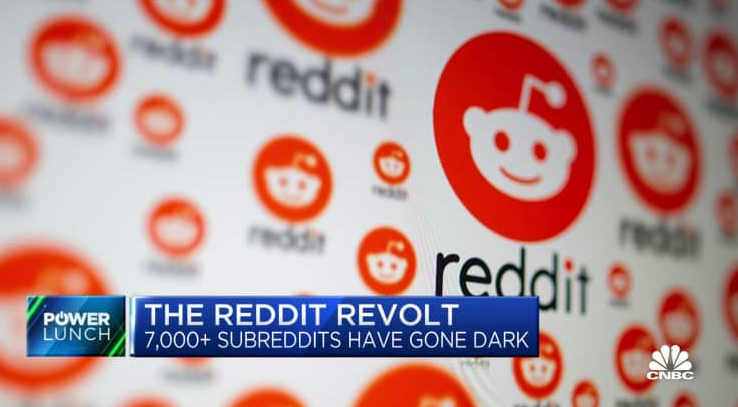
These moderators control access. When Reddit tried to monetize its API in 2023, over 8,800 subreddits went dark in coordinated protest. The platform backed down on some demands and replaced recalcitrant mods in others, but the core dynamic didn't change: communities run on volunteer labor that platforms exploit but can't fully control.
Discord operates similarly. Server owners and mod teams govern private spaces with near-total autonomy. A single admin can ban a brand from reaching 50,000 members. No appeals process, no arbitration—just immediate expulsion if you violate unwritten norms.
This isn't a bug. It's the core value proposition. Users flock to spaces where community standards matter more than algorithmic feeds, where mods act as cultural gatekeepers rather than letting brands advertise indiscriminately.
The economics don't work for traditional brand outreach
Brands face a simple math problem.
Path 1 - Direct approach: Allocate 20-40 hours researching communities, crafting culturally appropriate posts, engaging in discussions to build karma, then attempting subtle product mentions. Success rate: maybe 1 in 10 attempts don't get removed or downvoted into oblivion. Cost per successful integration: effectively thousands of dollars in agency time.
Path 2 - Buy ads: Reddit's advertising revenue hit 93% of total revenue ($465M in Q2 2025), with AI-enhanced targeting driving 84% year-over-year growth. The platform's ARPU climbed 47% to $4.53 globally. Brands are paying more for ads because organic community access remains essentially impossible at scale.

Even paid placements face limitations. Reddit users trust community recommendations over brand content by massive margins. A single organic mention in a trusted subreddit outperforms thousands of dollars in targeted ads. The 79% of Reddit users who claim openness to brand information want that information delivered through the community, not blasted at it.
Moderators are an untapped labor class
The 2023 API protest revealed something structural: moderators understand their collective power but have no systematic way to monetize it. They keep platforms viable (Reddit's 90.8% gross margins in Q2 2025 directly benefit from free mod labor) while receiving zero direct compensation.
Some server owners on Discord now charge $29-$99/month for advanced analytics or "premium community access," but most operate on passion and reputation building. The infrastructure to turn community governance into professional work—payment rails, standardized contracts, reputation systems—doesn't exist in any coherent form.
The Play: Build the Trust Protocol
What you're actually building
Unlock the Vault.
Join founders who spot opportunities ahead of the crowd. Actionable insights. Zero fluff.
“Intelligent, bold, minus the pretense.”
“Like discovering the cheat codes of the startup world.”
“SH is off-Broadway for founders — weird, sharp, and ahead of the curve.”


