


In the 1930s, the General Drafting Co. faced a problem: you can't copyright a fact. If you draw a map of New York, anyone can copy it.
So they set a trap.
They invented a fake town on a dirt road in the Catskills and named it "Agloe." If Agloe appeared on a competitor’s map, they’d have proof of theft.
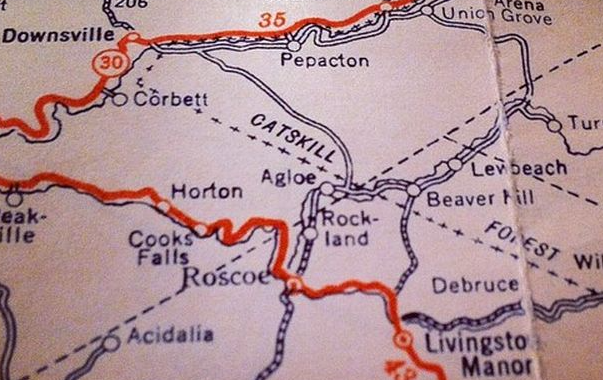
Years later, the trap snapped. Agloe appeared on a Rand McNally map. General Drafting sued. It should have been an open-and-shut case.
But Rand McNally won.
Their defense? They sent a scout to the coordinates, and there was a building there: The Agloe General Store. The owners had seen the name on an old map, assumed it was the official location, and built their reality to match the paper fiction.
We assume maps describe the territory. But in business, the inverse is often true:
If the map is compelling, the territory changes to match it.
We are witnessing the "Agloe Effect" at massive scale right now.
Millions of people have spent 200+ hours living inside digital maps—from Cyberpunk’s Night City to Yakuza’s Kamurochō. Now, they are booking flights to Tokyo demanding that the reality match the simulation. They don't want a "vacation." They want to physically inhabit the map they’ve already conquered.

This is the "Fandom Logistics" opportunity.
While everyone else fights for generic SEO travel traffic, there is a blue ocean in packaging the "questlines" gamers already know. The film tourism market hit $66 billion last year, and gaming is poised to eclipse it.
The play is shockingly low-lift: Start by selling $12–$29 digital "route packs" (pure profit) to validate the demand. Then, layer in $3,900 small-group excursions for the superfans. You don't need to build the hotels or the planes; you just need to own the map that tells them where to go.
Read the full playbook here:
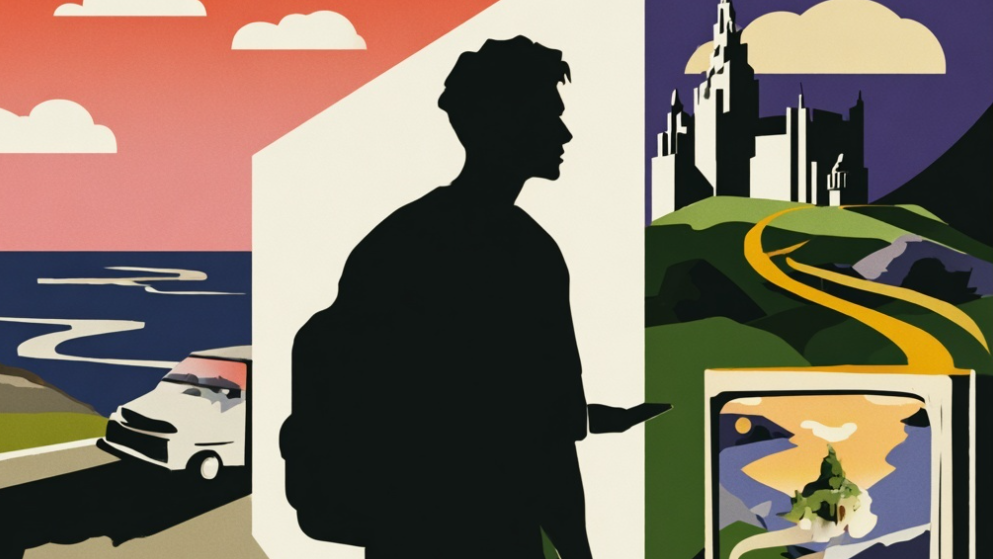
Game-inspired tours are already running in Tokyo and Paris. The missing piece: a brand that owns the category and packages supply into structured routes.
From the Vault:
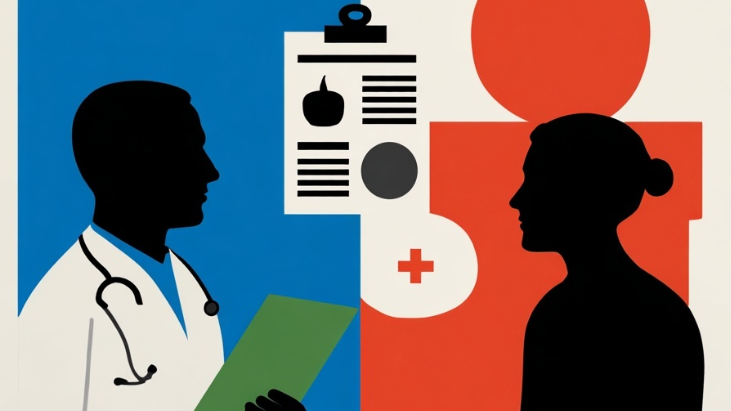
OpenAI spent two years validating patient demand for visit prep, then shipped with a disclaimer. The format gap is your opening.
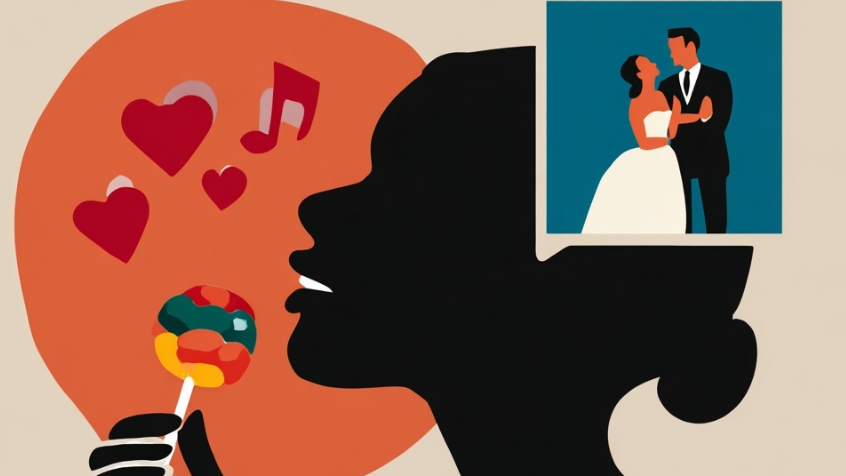
CES's viral bone conduction lollipop isn't a product opportunity — it's a six-figure format business for brand activations.


