


Ishii Yuichi has 25 families. None of them are his.
He is the founder of Family Romance, a Tokyo agency that allows you to rent a husband, a scolding uncle, or a wedding guest. For over a decade, Ishii has played "dad" to a young girl. He attends her recitals. He gives her life advice. She has no idea he is an employee. Her mother pays him because she decided the function of a father was more important than the reality of one.

It sounds dystopian. But look past the judgment and the market mechanics become clear: Ishii isn't selling deception—he's selling certainty.
We treat relationships as organic magic. Family Romance proves they are also utilities. We crave the reassurance of a parent or the validation of a partner so deeply that when the real version breaks down, we will pay a premium to simulate it.
Belonging is a product. And right now, the real version is in short supply.
Japan's approach is extreme, but the signal is global. Nonna Live, a platform charging $50 for virtual pasta-making sessions with Italian grandmothers, has already demonstrated demand in the West. The appeal isn't culinary—it's the warmth and tacit approval that comes with it.
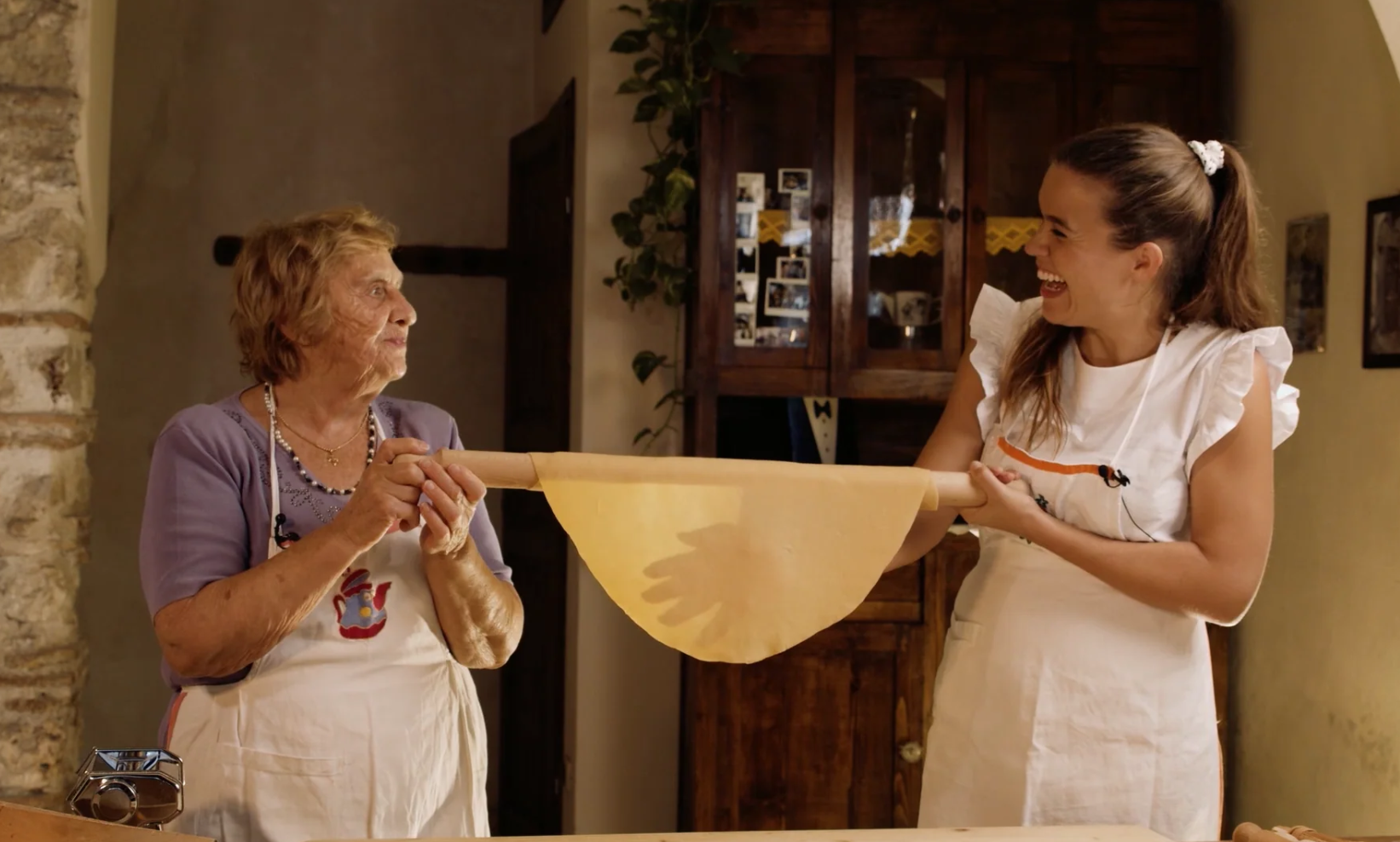
You don't need to rent a fake father for a wedding. But millions of people would pay $10 to rent a grandmother for ten minutes.
Today's featured opportunity: Grandma-as-a-Service.
A marketplace connecting elders with warmth and know-how to younger generations drowning in adulting anxiety. Whether it's checking a roast chicken or approving a DIY shelf, the product isn't just advice—it's the confidence to say "ship it."
The economics work. By unbundling Nonna Live's model into on-demand micro-calls, you build scale. At 5,000 daily calls, you're looking at $4.5M+ in annual revenue, with a content loop that naturally generates viral, heartwarming marketing.
It's high-margin, low-tech, and solves two epidemics—loneliness and helplessness—at once.
Read the full playbook here:
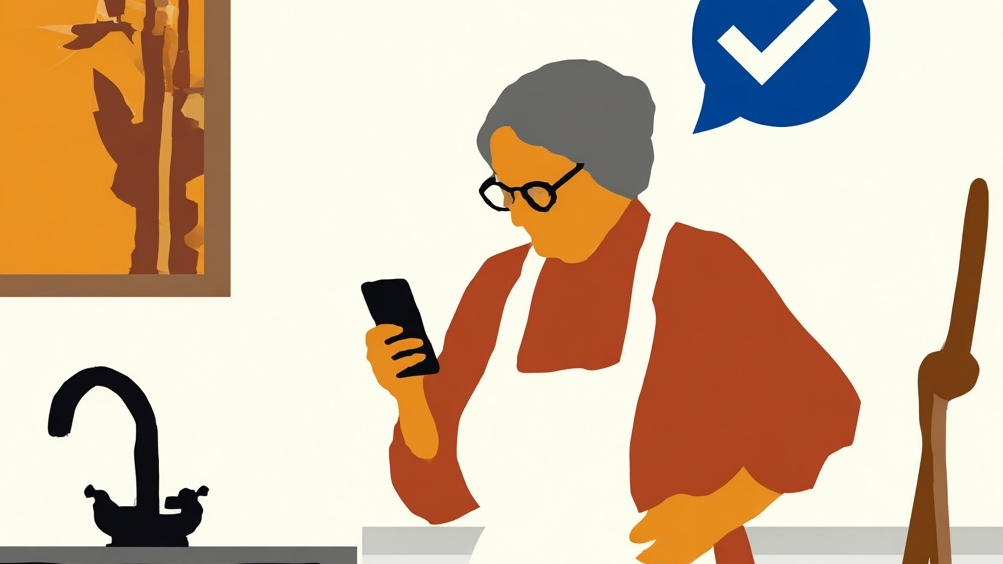
When AI floods every category with free how-tos, human verification becomes the scarce resource worth paying for.
From the Vault:

373,000 volunteer-run associations managing $120B annually with amateur controls and predictable fraud patterns, creating structural demand for purpose-built governance infrastructure.

Main Street collapsed from missing infrastructure, not missing demand. Weekly verified drops with pickup networks create the ritual that turns local preference into $100K+ MRR.


