


In 1991, Intel had a problem that should have been fatal: they made an invisible product.
Nobody cared about the silicon chip inside their beige PC box. They only cared about the box itself—IBM, Compaq, Dell. The chip was just a commodity, a generic part buried in the dark.
So Intel did something that defied the laws of manufacturing: they marketed the ingredient, not the meal.
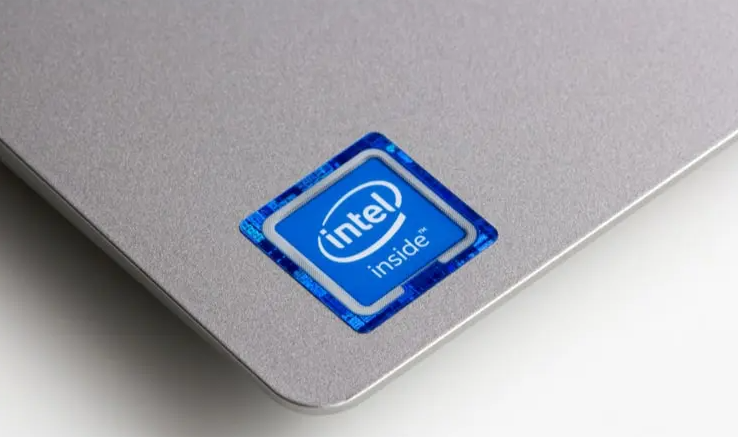
They launched "Intel Inside." They paid computer makers to slap a sticker on the outside of the machine, turning an invisible component into a visible badge of quality. Suddenly, a computer wasn't a computer unless it had that sticker.
They shifted the power dynamic of an entire industry. The assembler became a commodity, and the component became the king.
The Lesson:
You don't have to be the biggest thing in the room to be the most important. If you can brand the invisible part that makes the whole thing work, you stop selling a product and start selling a standard.
In a world of generic boxes, be the sticker.
We are seeing this exact "Intel Inside" dynamic opening up in a surprising place: your kitchen tap.
Americans already spend over $60 billion on functional and electrolyte water, but the real opportunity isn't selling another bottle of hydration. It's owning the profile.
Every coffee nerd and home baker knows that water chemistry makes or breaks their craft, yet they have no control over it. They are sitting on "empty water" that needs a standard.
The play? Don't sell water. Brand the minerals. Sell "Bloom" packets for light roasts or "Stone Oven" for pizza dough. You aren't selling salt; you're selling the certification of quality.
This is a lifestyle business with venture-level margins (60–80%). The proof of concept is already generating $1M+ annually with a skeleton crew. You don't need a factory. You just need to name the invisible ingredient.
Read the full playbook here:
Third Wave Water proved coffee profiles work at $1M revenue. Tea, baking, recovery, and ritual hydration? Unclaimed.
From the Vault:
GLP-1 medications eliminated food cravings for 30 million Americans, freeing up cash and time. Nobody's monetizing the dopamine void yet.
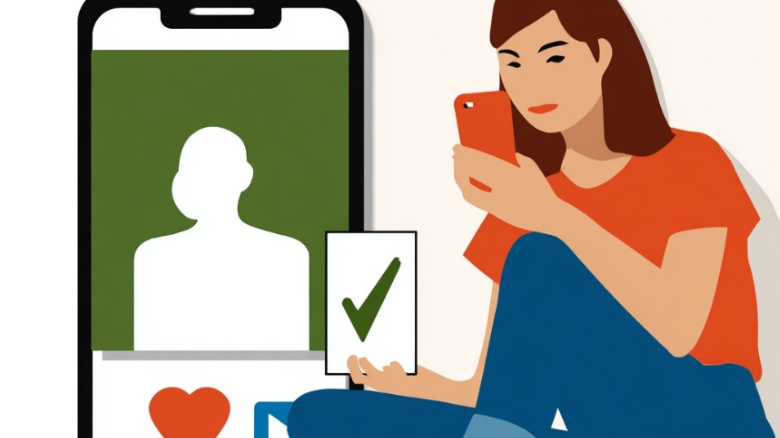
Tinder and Bumble mandate verification but can't share reputation data. Build the neutral trust layer selling badges to users and behavioral signals to platforms.


