


A fintech app at 2:17am. User opens support. Gets an instant response. The voice is warm, competent, unhurried. Same micro-pauses a real person would use. Same "I'm actually paying attention" energy.
It's not a rep. It's a licensed identity—a face, a voice, a vibe—rented like cloud compute. The company behind that voice identity charges $1,000-$10,000/month per license, plus usage kickers. Platform fees run another $500-$3,000/month. The creator who licensed their likeness gets paid automatically when the brand hits 10,000 sessions.
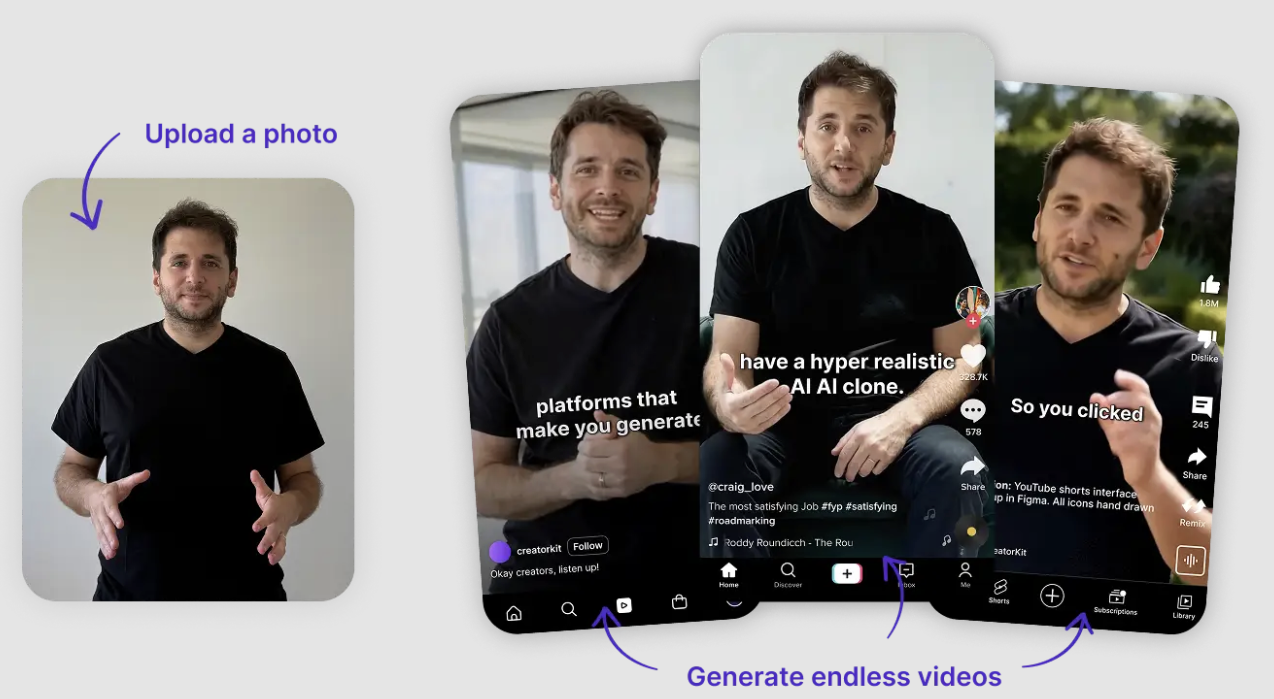
AI moved from tool to performer. Whenever performers become products, money flows to whoever builds the rails. The wedge: represent 50 creators, license their AI likeness to SaaS companies that need human faces for onboarding, support, training content. Then build the identity licensing layer for synthetic talent—the infrastructure sitting between creators and every product wanting a human interface.
The market is standardizing around opt-in licensing right now
ElevenLabs launched their Iconic Voice Marketplace in November 2025 with 28 verified voices—Michael Caine, Maya Angelou, Mark Twain—available for commercial licensing. Brands browse, submit requests, negotiate directly with rights holders, and ElevenLabs handles the technical delivery. The company raised $180 million in January 2025 at a $3.3 billion valuation, with revenue projected to hit $207-220 million in 2025 and climb to $1.5-2.4 billion by 2030. They're positioning licensing infrastructure as the core product.
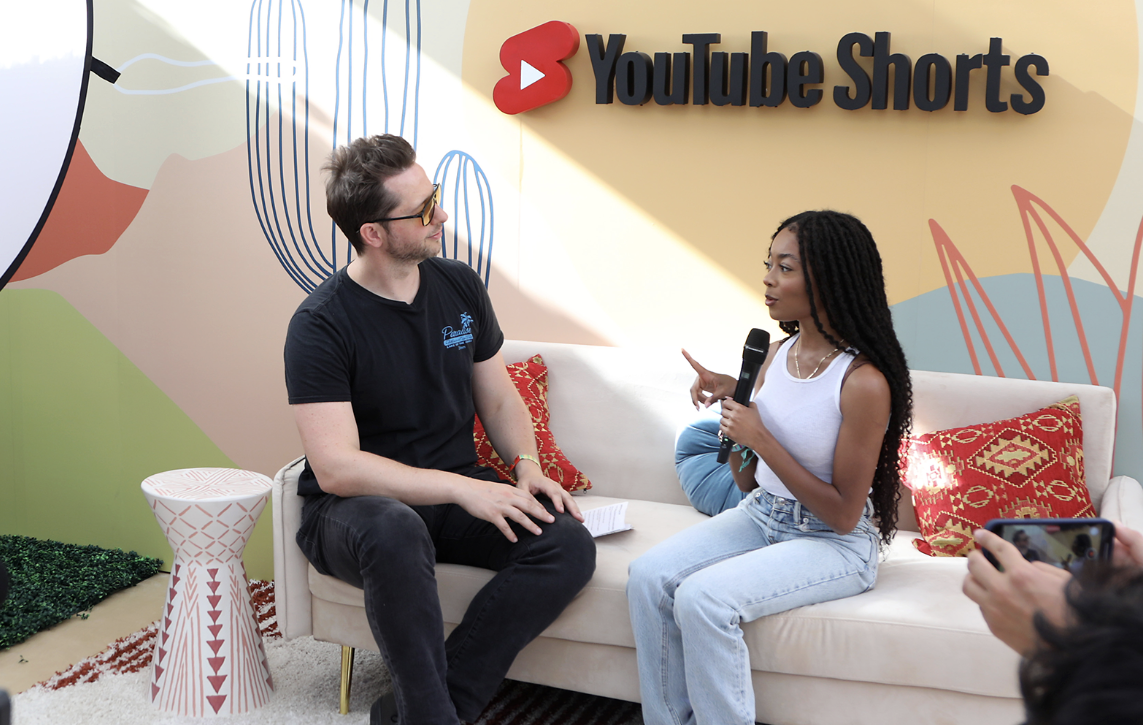
YouTube announced creators will generate Shorts using their own AI likeness—a platform-level admission that "your face" is now a reusable asset. Matthew McConaughey invested in ElevenLabs and uses their tech to produce a Spanish-language version of his newsletter in his own voice.
The virtual influencer market was $6.06 billion in 2024 and is projected to reach $45.88 billion by 2030, growing at 40.8% annually. Brands are budgeting for synthetic humans.
Regulation is catching up. Tennessee's ELVIS Act, signed March 2024 and effective July 2024, explicitly treats voice—including simulated voice—as protected IP. It creates civil liability for unauthorized use and criminal penalties (Class A misdemeanor, up to 11 months and 29 days imprisonment, $2,500 fine). The law targets both end users who create unauthorized content and technology providers whose "primary purpose or function" is producing unauthorized replicas.
SAG-AFTRA's 2023 strike settlement requires clear, conspicuous, project-specific consent, informed terms, and fair compensation for any digital replica. Consent doesn't automatically extend beyond the specific project—brands need fresh authorization for new uses. The agreement covers 160,000 actors and set the standard for how the entertainment industry handles AI. California followed with five bills in a single day addressing digital replicas and deepfakes, with enforcement around contract rights and unauthorized use. The federal NO FAKES Act is pending.
AI likeness licensing is already here. The open question is who becomes the trusted intermediary.
From agency to infrastructure
Stop at "I broker deals" and you're a boutique agency with nice cash flow but low defensibility. Build the rails and you become the layer everyone plugs into.
Start with the agency wedge. Sign 30-50 creators. Produce their "Identity Pack"—voice samples, facial capture, usage guardrails. Broker 5-15 brand deals. This generates immediate cash flow while you learn the market.
Revenue model: setup/casting fee of $5,000-$25,000 per brand (depends on scope: voice-only vs full avatar vs training library), license fee of $1,000-$10,000/month per identity, and usage kickers per 1,000 sessions, per minute, or per localization language. You're selling a business outcome: "Make your AI product feel human without legal risk."
Then productize what you're already doing manually:
Unlock the Vault.
Join founders who spot opportunities ahead of the crowd. Actionable insights. Zero fluff.
“Intelligent, bold, minus the pretense.”
“Like discovering the cheat codes of the startup world.”
“SH is off-Broadway for founders — weird, sharp, and ahead of the curve.”


