


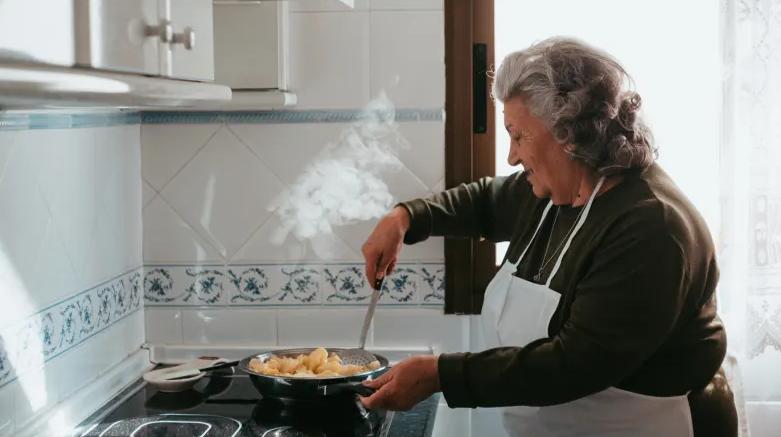
Nonna Live is a real business. An 84-year-old Italian grandmother runs virtual pasta-making sessions from her home outside Rome, charging around $50 for 2-hour group classes. Private large group bookings run $499. She launched during COVID and is still running. People pay for something they could find free on YouTube: someone to watch their dough and tell them when to stop kneading.
Real-time confirmation from a human who knows. That's what they're buying.
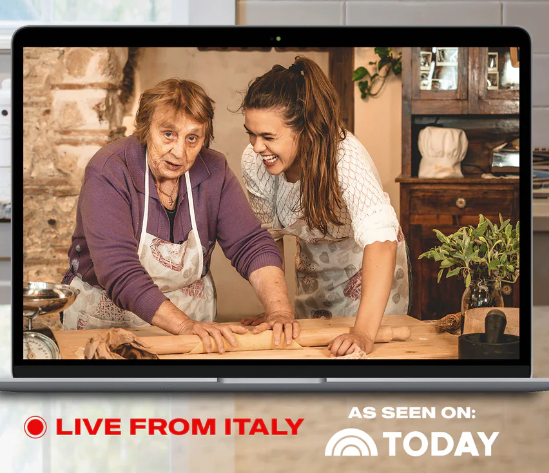
The opportunity: Build a marketplace that connects elders with warmth and tacit know-how to younger people with uncertainty for 5-15 minute micro-consults — across cooking, DIY, style, hosting, and everyday life. Assurance on demand. At 5,000 calls per day averaging $10 GMV with a 25% take rate, you're looking at $4.5M+ annual revenue before operational costs. At scale, subscription bundles ($19-79/month) add predictable recurring revenue on top. Nonna Live proves the market: an 84-year-old charges $50 for 2-hour pasta classes and $499 for private group sessions.
Why this hits right now
Loneliness is quantified now, and accelerating
AARP's December 2025 study found 40% of U.S. adults 45+ report feeling lonely — up from 35% in both 2010 and 2018. That's 4 in 10 people, and the trend is accelerating.
The Surgeon General's 2023 advisory framed loneliness as equivalent to smoking 15 cigarettes a day. Gallup found 20% of U.S. adults report feeling lonely "a lot of the day yesterday." Adults in their 40s and 50s are hit hardest — 49% of those 45-49 years old report loneliness.
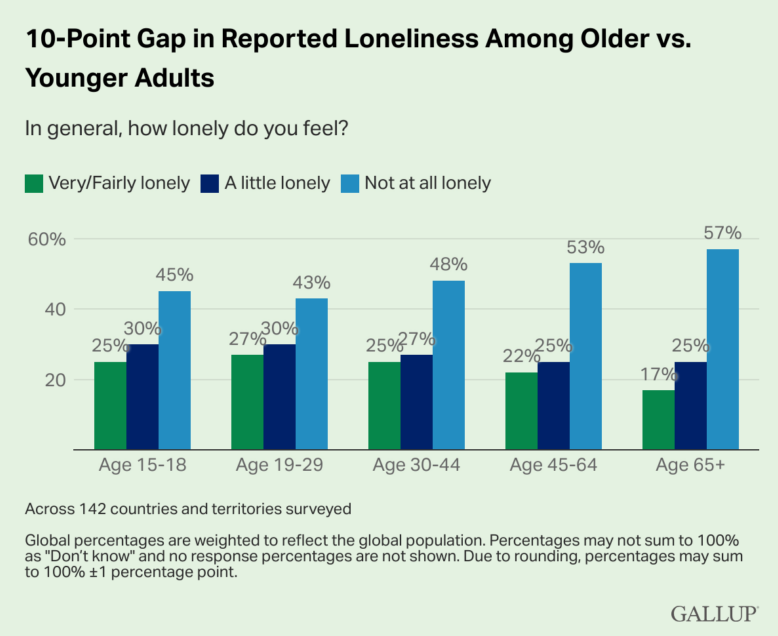
Men now report higher rates of loneliness than women (42% vs 37%), a shift from 2018's gender parity. Community engagement is collapsing — religious service attendance dropped from 44% in 2010 to 36% in 2025. About 20% of U.S. adults now have no close friends outside family, up from just 3% in 1990.
Your product is belonging and certainty, delivered in a tiny, purchasable unit.
DIY is booming, but confidence isn't
The DIY home improvement market is projected to reach $959 billion to $1.27 trillion by 2030. Americans are tackling projects at scale — interior remodels, exterior work, landscaping.
But demand for "adulting classes" is exploding because people genuinely feel unprepared. Universities like Michigan State, UC Riverside, and University of Waterloo now offer "Adulting 101" courses teaching students how to change tires, sew buttons, manage finances, and cook basic meals.
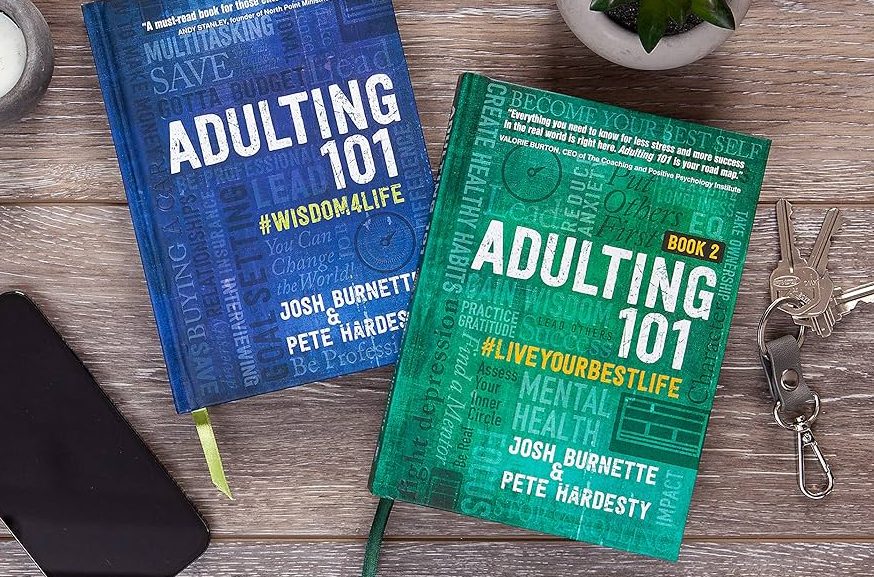
A 2025 study found 42% of adults 18-28 can't make a basic stir fry and 27% can't make simple soup. These aren't helpless kids — they're capable people who missed the transmission of tacit knowledge. The generation raised on YouTube tutorials and DoorDash never learned by doing.
Perfect buyer psychology: "I can watch 12 YouTube videos… or I can pay $9 to avoid ruining this."
Social video rewards wholesome competence
Your calls aren't just support. They're content.
Great calls create heartwarming clips that drive viral distribution, which creates more demand, which enables higher elder earnings, which improves supply quality. This content loop is inherent to the model: wholesome moments naturally generate shareable social currency.
The contrarian insight: AI makes verification more valuable
AI will commoditize instruction. Everyone can generate a perfect how-to. That makes the scarce thing: a trusted human willing to say "ship it" (or "stop, you're about to ruin it").
Grandma-as-a-Service works because it's a new labor category. On-demand elders selling reassurance and tacit know-how in 15-minute bursts.
Proof it already works
Nonna Live sells virtual pasta classes for around $50 for 2-hour group sessions and charges $499 for private large group bookings. The business launched during COVID when 84-year-old Nonna Nerina pivoted her in-person Airbnb Experience to Zoom. It's still running.
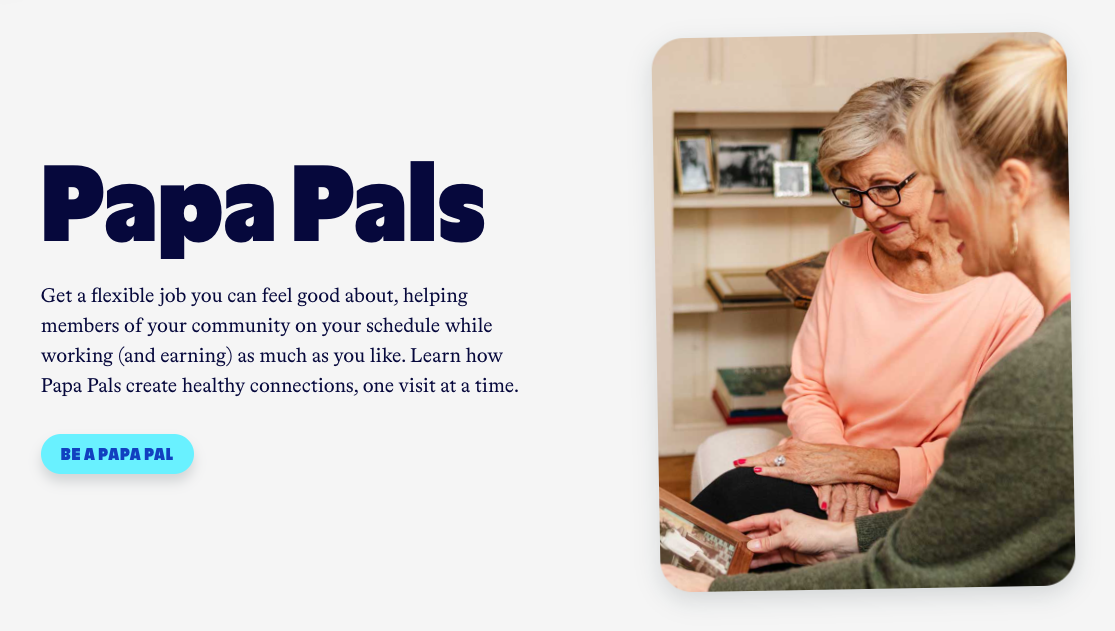
Papa raised a $60 million Series C in 2021 for elder companionship services (later raised $150M Series D, now valued at $1.4B). The company connects seniors with "Papa Pals" for companionship and everyday assistance, operating in all 50 states primarily through health insurance partnerships. They've proven insurers will pay for human connection at scale.
Clarity.fm built a marketplace explicitly framing advice as per-minute calls. Experts typically earn around $1.60/minute (roughly $50 for 30 minutes) while Clarity takes about a 15% cut. The infrastructure for micro-consulting exists and users accept paying by the minute.
JustAnswer monetizes human expertise through Q&A, paying experts $2-20 per answer while some earn thousands monthly. Users typically pay per question. This demonstrates willingness to pay for "a real person who knows."
Your wedge is simpler, warmer, faster, and more visual than any of these.
The business: three versions
A) The Fast Heist (small team, cash flow)
Unlock the Vault.
Join founders who spot opportunities ahead of the crowd. Actionable insights. Zero fluff.
“Intelligent, bold, minus the pretense.”
“Like discovering the cheat codes of the startup world.”
“SH is off-Broadway for founders — weird, sharp, and ahead of the curve.”


