


Pop Mart doubled revenue to $1.8B in 2024 selling blind-box toys. Their Labubu character alone generated $677M in the first half of 2025 — 35% of total sales — with gross margins above 67%. That single IP line outpaced Barbie and Hot Wheels in comparable periods. Customers camp outside stores for mystery figurines they can't choose. Secondary markets trade them at 3-5x retail. TikTok #Labubu sits at 1.6M posts.
The algorithm knows you. Every recommendation hits. The feeds are frictionless. And that's exactly the problem.
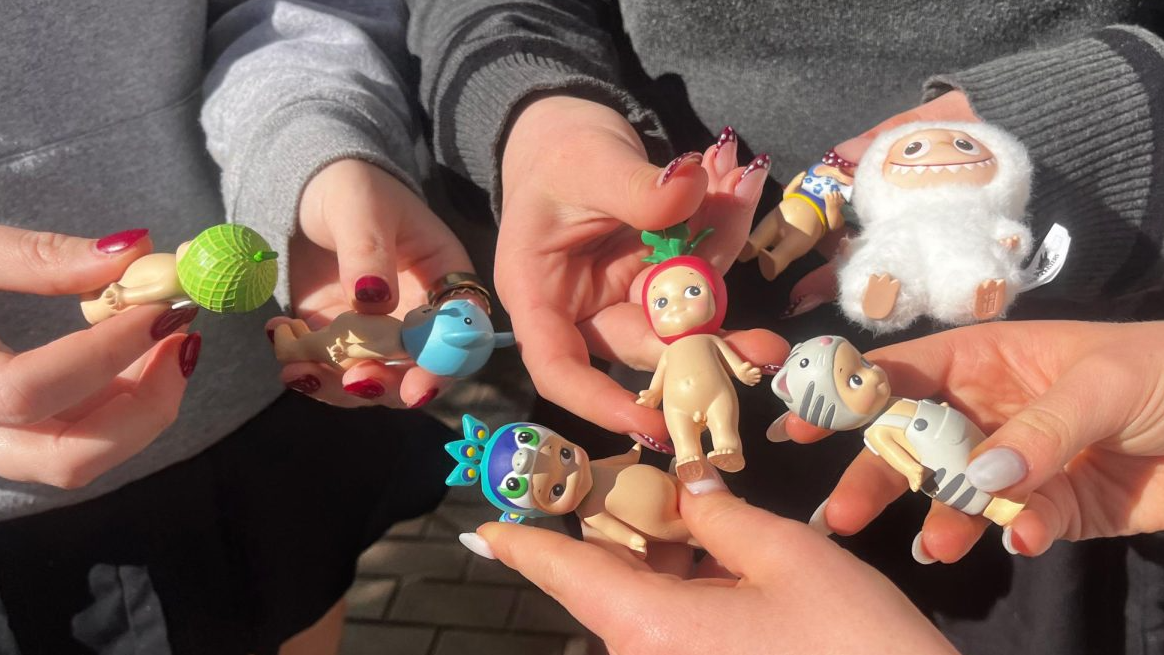
When surprise disappears, people will pay to get it back. TrendWatching calls it SPONTAINMENT — "controlled surprise for consumers who've optimized the joy out of their own lives." Pop Mart just proved the economics work at scale. But they're selling plastic toys to collectors. The model translates to adult consumer goods if you solve one thing: trust.
Build a subscription that sells serendipity as a service. Not junk in a box. A narrative engine that makes controlled surprise feel personal and inevitable.
The Market Math
The subscription box market hit $37.5B in 2024 and projects to $116.2B by 2033 — 13.3% annual growth across multiple research firms. The infrastructure is mature. The consumer behavior is validated.
Pop Mart proves the blind-box mechanism scales. Sell figurines in sealed boxes where customers don't know which variant they're getting. Result: repeat purchases until they complete sets. The business works because scarcity plus surprise plus collectability creates emotional investment. When you package uncertainty inside trusted constraints, gross margins run above 67%.
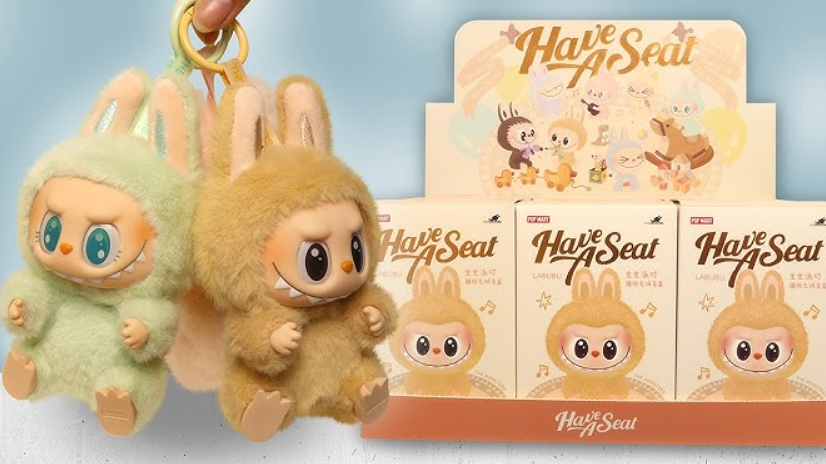
Pop Mart operates in toys. The model translates to adult consumer goods once you solve the trust problem.
Unboxing drives discovery. Research confirms unboxing videos influence purchase decisions and gift-giving. The format delivers entertainment and social proof simultaneously — your acquisition channel films itself.
The gap: no one's building controlled surprise for adults who want serendipity without gambling.
Where Random Boxes Fail
The naive version ("we don't know what's inside either") collapses in three ways.
Trust dies instantly
Consumers associate "mystery box" with liquidation fraud. Over 7,900 fraud reports in the UK alone for "Amazon return pallets" promising $300 value for $29. Consumer protection agencies across the US, EU, and UK have issued warnings. The FTC has pursued deceptive gacha and loot-box practices. When you say mystery box, people hear scam.
Unit economics implode
A $59 box promising 1.5x MSRP means you need $90+ retail value inside. Unless you negotiate 50-60% wholesale discounts consistently, your gross margin disappears after shipping, packaging, and fulfillment. Legitimate liquidation pallets cost hundreds or thousands. Anything less is structurally fraudulent.
Churn kills you
Physical goods subscriptions churn at 10-12% monthly — three times higher than SaaS. Annual churn runs 70-75%. The format struggles because value perception wobbles and variety becomes repetitive. McKinsey data: subscriptions die when quality and perceived value aren't consistent month over month.
Regulatory exposure
The moment "random rewards" resemble odds-based mechanics, you're in the FTC's scope. Loot boxes in games triggered regulatory scrutiny across multiple jurisdictions. Disclosure requirements tighten. Optics matter more than intent.
Don't build random. Build constrained surprise — the Pop Mart mechanic for adults.
The Product: A Repeatable Storytelling System
You're manufacturing the feeling of "the universe picked this" while staying operationally sane. The dossier is the product. The item is proof.
The Core Mechanic
Unlock the Vault.
Join founders who spot opportunities ahead of the crowd. Actionable insights. Zero fluff.
“Intelligent, bold, minus the pretense.”
“Like discovering the cheat codes of the startup world.”
“SH is off-Broadway for founders — weird, sharp, and ahead of the curve.”


