


Independent cafés don't lose to Starbucks because their coffee is worse. They lose because Starbucks ships new drink mechanics faster than a two-location operator can test, train, and standardize. Cold foam, layered pours, protein add-ons — the chain rolls these out across 16,000 stores while your local shop is still Googling ratios.
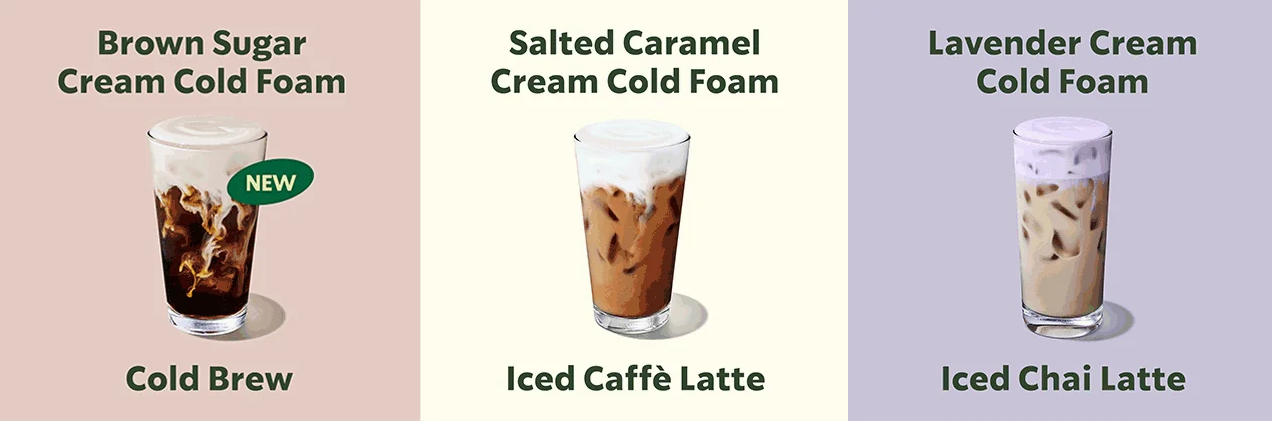
That gap is a small business idea hiding in plain sight. A ready-to-use hojicha cold foam base (dairy + oat) turns 2026's breakout beverage trend into a ten-second add-on any barista can execute consistently.
Your supplier-side gross margins land in the 55–70% range. From there, the product line expands into neutral foam bases, Asian-inspired flavor concentrates, and seasonal menu kits — a café beverage startup that evolves from a single SKU into the outsourced innovation layer for thousands of independents.
This is a foodservice product business, not a software play. The opportunity is real and well-timed, but it's only attractive if you're ready to run operationally intense B2B sales and move quickly in 2026–2027 before bigger suppliers notice the niche.
Why this signal is real, and unusually well-timed
Hojicha has mainstream trend validation heading into 2026. Food Network named it "Beverage Trend of the Year." MorganMyers' national consumer survey independently crowned it "2026 Flavor of the Year." FlavourTrends.com calls it "2026's next matcha," noting that the adoption cycle that took matcha 20 years now compresses to five to eight years for emerging ingredients. Hojicha has structural advantages over matcha in the café context: lower caffeine (5–15 mg vs. matcha's 70 mg), a comforting toasty profile rather than a grassy one, and flavor notes that map closer to familiar Western dessert territory — caramel, roasted nuts, brown butter. Multiple trade outlets describe it as a low-caffeine, roasted green tea alternative positioned perfectly for "any time of day" beverages and wellness-adjacent consumption. For context on how fast tea-forward menus can move, Black Sheep Coffee reported a 227% year-over-year surge in iced beverage sales after adding matcha lattes, and Blank Street dropped "Coffee" from its name entirely to rebrand around tea-forward offerings.

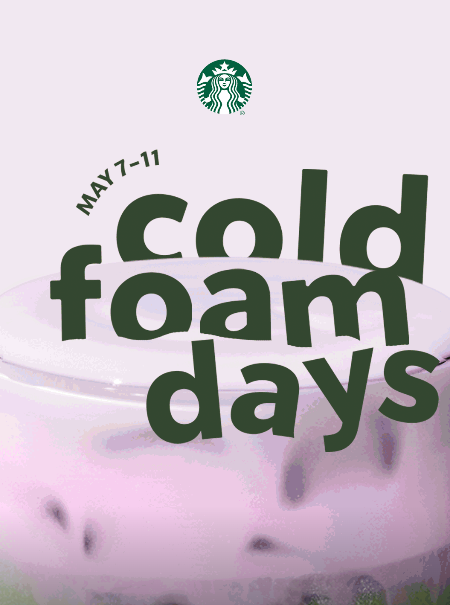
Cold foam, meanwhile, crossed from gimmick to default menu mechanic and is still accelerating. Starbucks' cold foam sales grew 23% in fiscal Q3 2025. Add-ins overall generate over $1 billion in annual revenue for the chain, with cold foam as a key driver. Three-quarters of Starbucks' U.S. beverage sales now come from cold drinks. They launched protein cold foam in September 2025, treating foam as a platform rather than a seasonal novelty. Datassential projects cold foam will see 171% growth over four years among restaurants serving coffee, with particular importance to younger consumers who value customization and toppings. Convenience chains, grocery stores, and QSR operators all sell versions of it now — confirming that foam has moved from specialty gimmick to mainstream mechanic. Every café needs access to this, but most independents can't execute it well.
The customer base is enormous. IBISWorld estimates 94,498 businesses in the U.S. Coffee & Snack Shops industry, generating $75.5 billion in 2026 revenue, with shop count growing roughly 4–6% annually over the past few years. These operators already buy bases, toppers, sauces, and syrups from foodservice suppliers. You aren't teaching them a new procurement behavior. You're swapping in a higher-leverage SKU.
Sell certainty, speed, and margin
Most cafés can already source hojicha powder. That's beside the point.
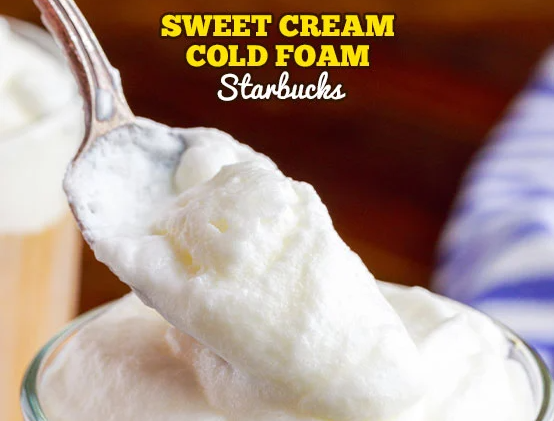
Cold foam is operationally finicky. Texture, stability, separation, and staff variance all create problems. Any barista who's tried to whip up foam from scratch during a 40-drink morning rush knows the pain. Your product wins if it delivers three things: the same foam every time regardless of who's making it, ten seconds to serve instead of sixty to ninety seconds of fiddling with a frother and a recipe card, and a high-margin add-on with predictable cost of goods. The café owner cares about the P&L line, not the Japanese tea ceremony.
Base products dominate in foodservice for exactly this reason. They reduce training time, waste, and variability. The café doesn't want hojicha. The café wants a reliable add-on that prints $1–$2 per drink with minimal labor.
Competitive landscape and how to stay ahead
Big players are already here. Rich Products ($5.8B in annual sales) markets a pourable cold foam line called On Top Soft Whip in sweet cream, oat milk, and a new chocolate variant launched in July 2025. Ships frozen, 12 cartons per case, 365-day frozen shelf life, 21-day refrigerated. The company explicitly frames its foam as a "low-effort, high-impact" profit driver and talks about "Instagrammable solutions" — but its innovation pipeline is still anchored to Western flavors, and its go-to-market is optimized for distributor scale, not indie café relationships.
You don't win by claiming you invented cold foam. You win on three fronts:
Unlock the Vault.
Join founders who spot opportunities ahead of the crowd. Actionable insights. Zero fluff.
“Intelligent, bold, minus the pretense.”
“Like discovering the cheat codes of the startup world.”
“SH is off-Broadway for founders — weird, sharp, and ahead of the curve.”


