


For decades, Van Halen was the poster child for rock star excess. Their tour rider contained a legendary demand: A bowl of M&Ms backstage, with absolutely no brown ones.
If a single brown candy was found, the band would trash the dressing room and threaten to cancel the show.
Critics dismissed it as diva behavior. Lead singer David Lee Roth knew better—it was a safety check.
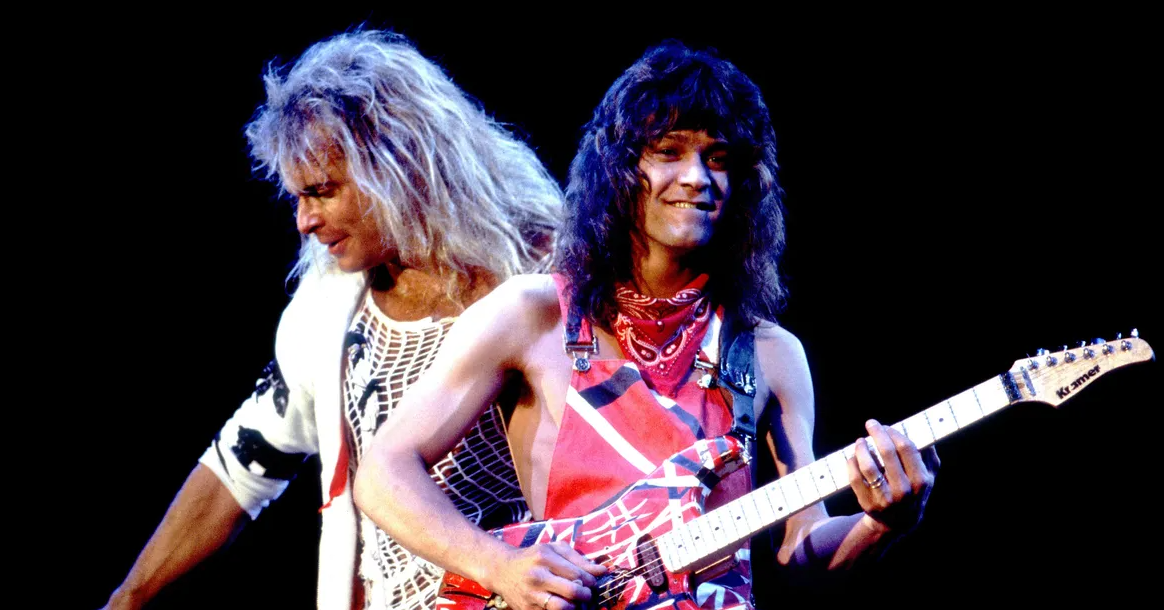
Van Halen was the first band to tour with "industrial-scale" production—massive lighting rigs and precarious pyrotechnics. Their contract was a dense, boring safety manual disguised as a rider. Article 126 (the M&M clause) was the canary in the coal mine.
If Roth walked backstage and saw a brown M&M, he immediately knew the promoter hadn't read the contract. If they ignored the candy, they likely ignored the weight limits of the rigging or the electrical grounding. The band would immediately order a full structural audit.
We often confuse eccentricity with strategy. The brown M&M served as a tripwire for incompetence disguised as a snack request.
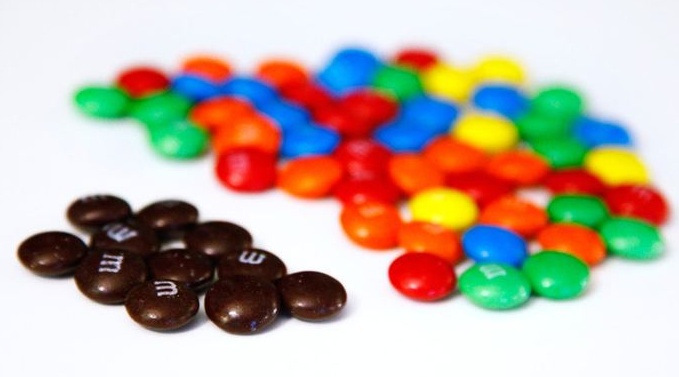
In a world of noise, the smartest operators don't just hope for quality—they build alarms to detect its absence. They design a simple, low-stakes test that immediately reveals high-stakes negligence. The logic was elegant: miss the candy detail, miss the critical ones.
Hospitality is currently failing its own safety check.
Hotels are obsessed with pyrotechnics—marble lobbies and pillow mists—while ignoring the rigging: noise, light, and actual rest. They are serving you brown M&Ms at $800 a night.
The opportunity? Be the auditor.
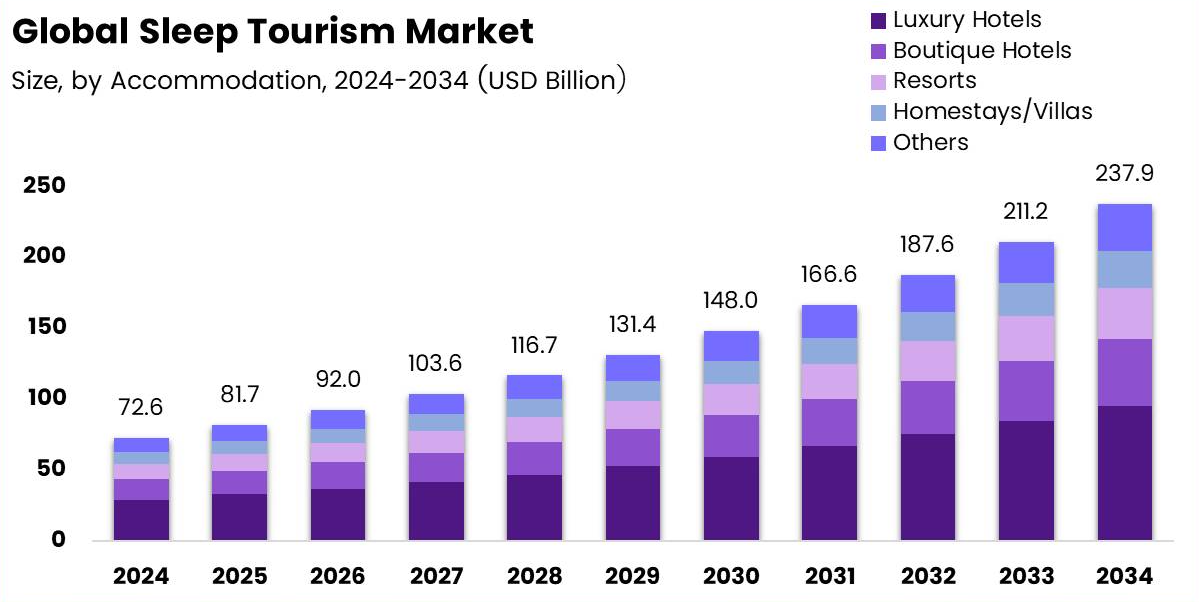
Sleep tourism is a very real $75 billion market growing to $145 billion, yet it runs on "trust me" marketing without a standardized way to measure quality. Your play is to build the "Michelin Guide for Sleep"—a rigorous, metric-based certification that unlocks pricing power for hosts and guaranteed rest for travelers.
The math is simple: verified sleep drives higher rates. By Year 3, owning this standard is a $2.4M-$4.4M business.
Skip the hotel. Build the label that hotels will pay to display.
Read the full playbook here:
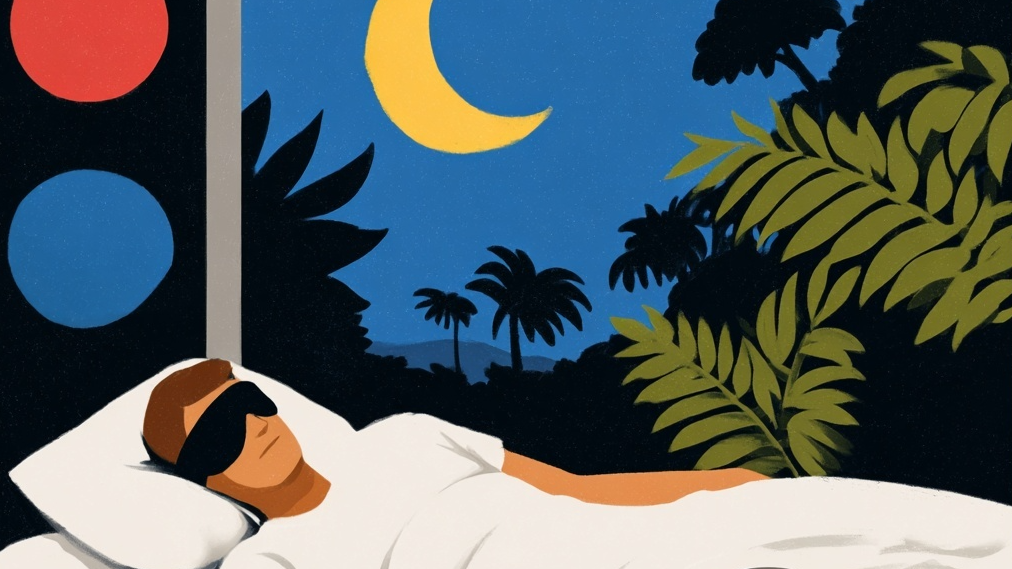
Hotels spend millions on sleep programs without third-party proof. Travelers will pay 10% more for verified quality, but no standard exists.
From the Vault:

Book launch services jumped from $5K to $50K+. Nobody owns the middle market turning founder manuscripts into qualified leads.

Spotter raised $200M proving creator catalogs are worth billions. YouTube shipped localization tools that grow them. The operating company is still unbuilt.


