


In the 1980s, Australian biologists discovered a jewel beetle on the brink of extinction.
You'd think it's the predators or climate change. What they found instead was that the males beetles fell hopelessly in love with... beer bottles.
The species had evolved to chase big, glossy, dimpled females—so when humans started tossing amber stubbies into the outback, oversized and shinier than any real mate, the beetles swarmed them. Dozens at a time. Humping Budweisers until they baked in the sun or got picked apart by ants.
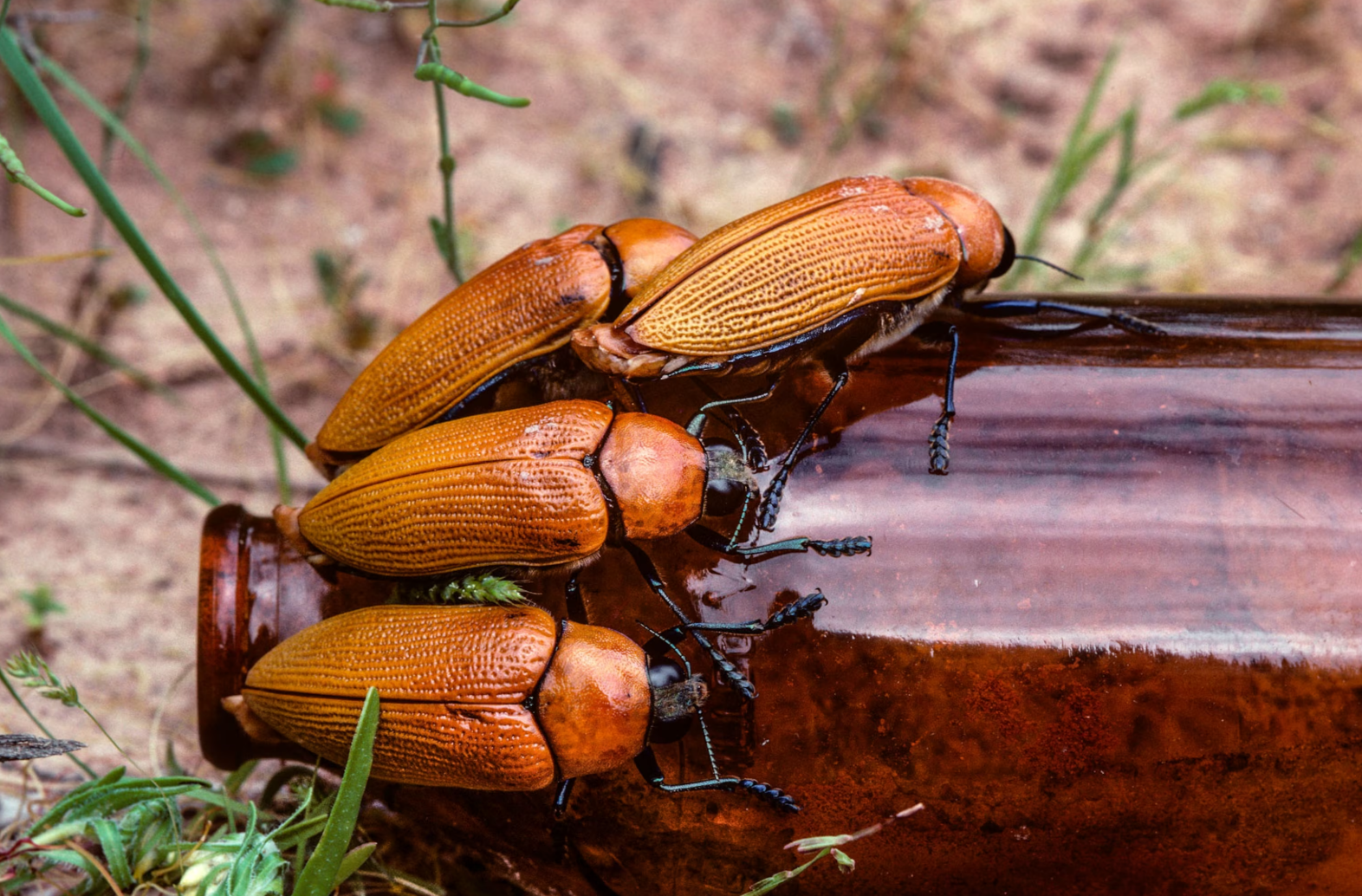
A perfect trap: when the world floods with signals, the winner is the thing that exaggerates the pattern.
Biologists call it supernormal stimulus. Markets call it demand formation.
They employ the same principle: If you control the pattern a culture locks onto, you don't just influence behavior, you become the ecosystem.
Today's creator economy is living the same glitch. AI just dumped infinite 3D assets into the wild. Beautiful. Chaotic. Mismatched. A trillion digital beer bottles glinting in the sun, waiting to be given the right style and form.
Roblox paid out $1 billion to creators last year. Indie teams are scrambling to ship worlds faster than ever. But while everyone has models, no one owns the look.
That's our opening.
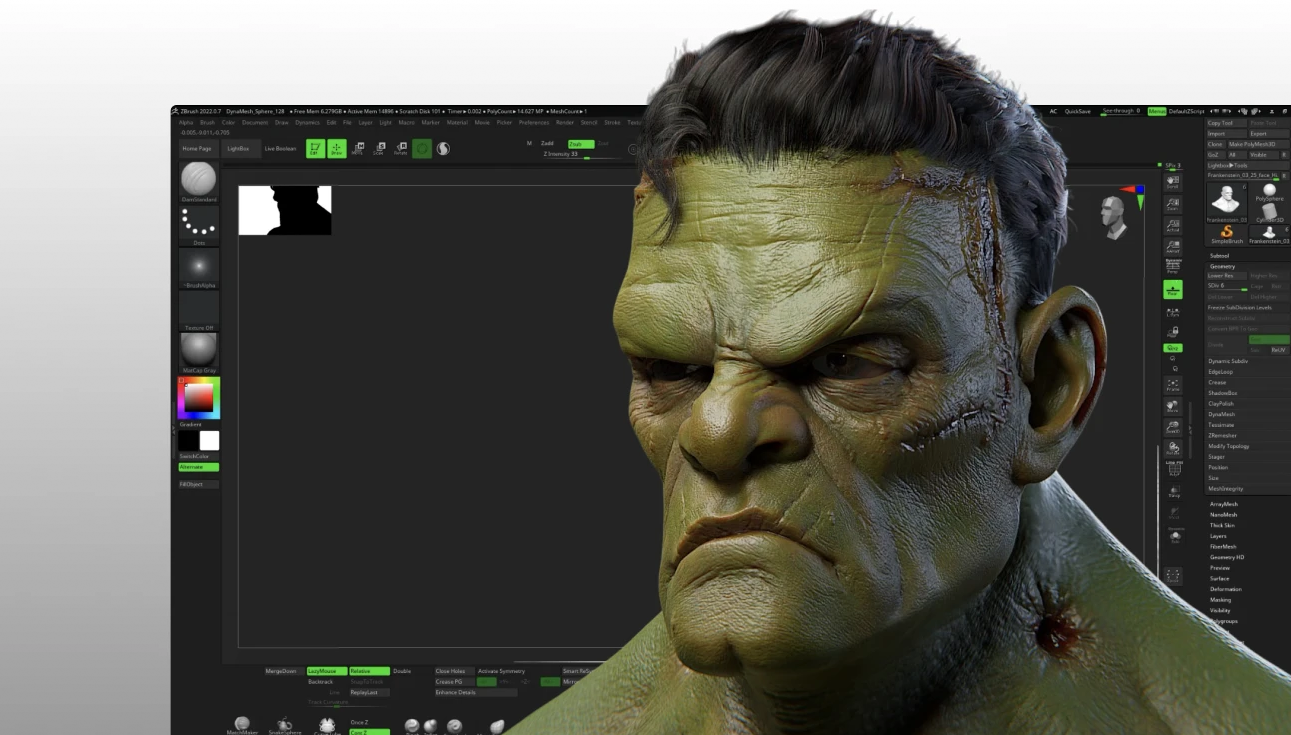
We're not gonna generate assets since any kid with a GPU can do that now. The play is building the AI-native 3D art label that defines the visual universes creators subscribe to, build on, and expand.
Think less "asset marketplace." Think more "Supreme for game devs."
The beetles taught us something useful:
Markets don't follow abundance. They follow the pattern-maker.
The one who decides what good looks like before everyone else figures it out.
Read the full playbook here:

AI just commoditized 3D generation. Roblox demand is spiking. The gap between "cool demo" and "shippable, engine-ready assets" is wide open.
From the Vault:

Yoodli's $40M raise validated AI conversation coaching. But the highest-stakes talks—layoffs, terminations, bad news—remain untouched. That's a $34B gap.
Durable CDR demand hit 15M tonnes in Q2 2025 alone. 10,000 pit lakes sit on mining balance sheets as liabilities—not yet as carbon assets.


