


On January 24, a niche corner of Reddit lit up over a GitHub launcher called "LobotomyOS"—an Android launcher that uses local AI to interrupt doom-scrolling after a few minutes and prompt you to touch grass.
That sounds like a meme. It is a meme.
But there's something real here. A wedge into a bigger category: the layer that governs attention across devices. This isn't another polite blocker you swipe away or a $300 minimalist phone you abandon after a week. It's a behavior-aware attention governor for the phone you already have.
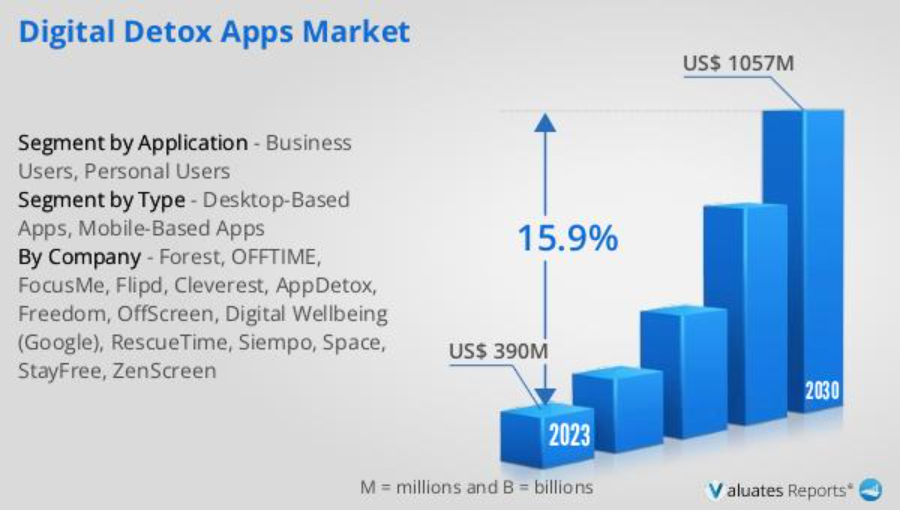
The market opportunity is legitimate. Digital detox apps hit $390 million in 2023 and will reach $1.06 billion by 2030—a 15.9% CAGR that tracks with multiple independent forecasts now estimating $400M-$460M+ mid-2020s with multibillion-dollar projections by early 2030s.
- A small team shipping fast on Android can build a $10K-$50K/month indie business as a wedge app.
- The deeper play—behavior models, cross-device governance, creator ecosystems—is a shot at owning the category entirely.
The breakthrough is psychological, not technical. Users don't want discipline. They want a coach that remembers their excuses.
People don't want fewer features. They want fewer compulsions.
Why the world is begging for a digital bodyguard
Global daily screen time now sits at 6.5-6.7 hours. U.S. adults exceed that average. Gen Z pushes past 9 hours. Americans spend 5+ hours daily just on their phones—that's more than half of waking hours devoted to devices designed to capture attention.
The numbers keep climbing. Since 2013, daily screen time has increased by 50 minutes globally. The trajectory points upward.
This isn't about awareness anymore. People know they have a problem. Roughly 40% of Americans actively try to reduce screen time. Large majorities acknowledge they spend too much time on their phones. The desire to change is there.

The tools aren't working.
Digital detox exists as a category, trapped in a paradox. Research describes this as "interpassivity"—outsourcing self-regulation to products that either fail to regulate or regulate so completely that users can't function. People buy a tool, relapse, buy another tool. That loop is your opportunity.
Current solutions fall into two camps:
Too soft: Timer apps, gentle reminders, digital wellness dashboards you swipe away without thinking. Usage stats that make you feel guilty while changing nothing. These tools rely on willpower you don't have at 11 PM when the doom scroll starts.
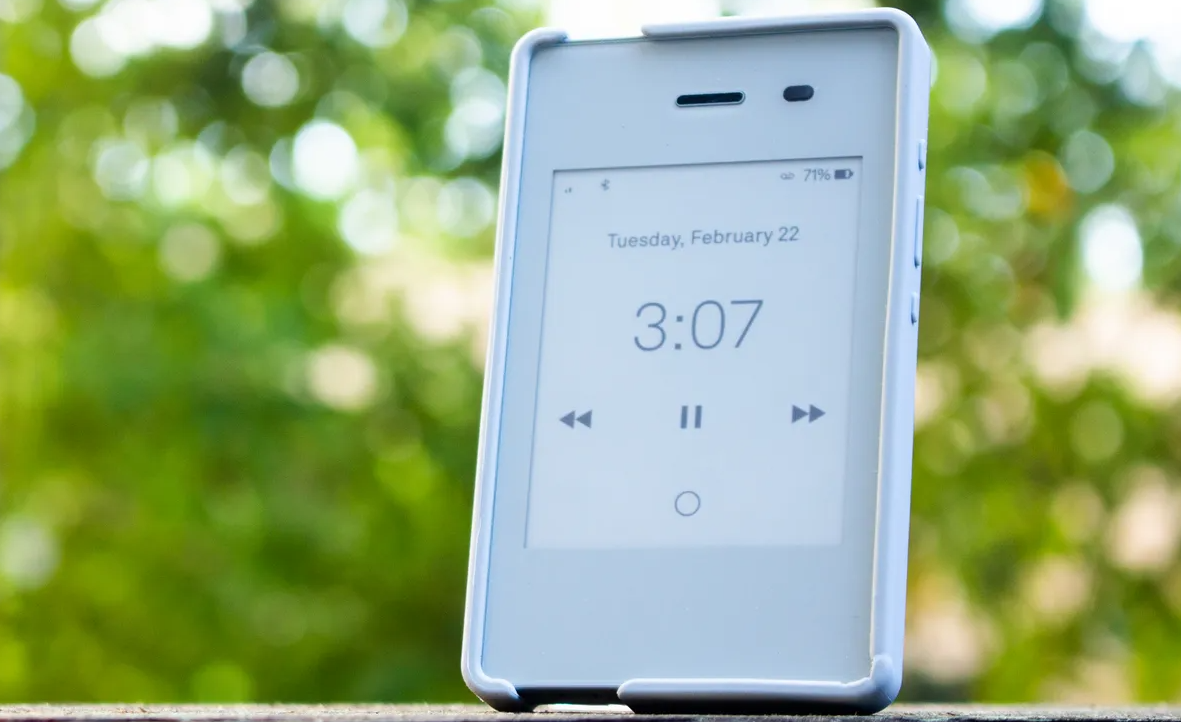
Too hard: Minimalist phones that strip out everything. The Light Phone II costs $299 and removes social media, email, browsers, cameras. The Light Phone III just launched at $799 (or $599 on pre-order). Reviewers call them "lifestyle products" because users hit friction immediately—losing Maps, banking apps, two-factor auth, rideshare, travel booking, and the thousand micro-conveniences that make smartphones essential. Users try them, feel like they failed, and return to infinite scroll.
Your wedge: "Don't change your life. Change your phone's incentives."
Keep the power. Kill the compulsion.
The wedge vs the platform
You can approach this opportunity at two scales.
The wedge (fast indie play to $10K-50K MRR)
Unlock the Vault.
Join founders who spot opportunities ahead of the crowd. Actionable insights. Zero fluff.
“Intelligent, bold, minus the pretense.”
“Like discovering the cheat codes of the startup world.”
“SH is off-Broadway for founders — weird, sharp, and ahead of the curve.”


