


Earl Tupper was a victim of the "Better Mousetrap" fallacy.
By 1946, the chemist had invented a technological marvel: an airtight, unbreakable plastic container. It was a perfect product, yet it sat rotting on department store shelves for years. Tupper didn't realize that technology without context is just inventory.
Brownie Wise was a single mother with no chemistry background. However, Wise understood what Tupper didn’t: The artifact is not the product. She realized nobody wakes up excited to buy plastic, but everyone wakes up wanting to belong.

She pulled the inventory out of the cold retail aisle and invented the "Tupperware Party," transforming the suburban living room into a high-trust distribution node. Suddenly, the transaction wasn't about storage; it was about ritual. The bowl was merely the souvenir of a good night out.
Tupper eventually sold the company for $16 million—not because he engineered a better container, but because Wise engineered the gathering.
The Lesson: If you’re struggling to sell a commodity, stop optimizing the object. Start designing the room.
Right now, a massive "Brownie Wise moment" is hiding in plain sight. The product isn't plastic; it is Mahjong.
While Silicon Valley fights a "knife fight" to build slicker mobile games, the real movement has gone offline. We are witnessing a surge in "granny-core" rituals, with searches for "mahjong clubs" jumping 4,467%. But the hosts driving this trend are drowning in spreadsheets. They have the "plastic," but they don't have the operating system.
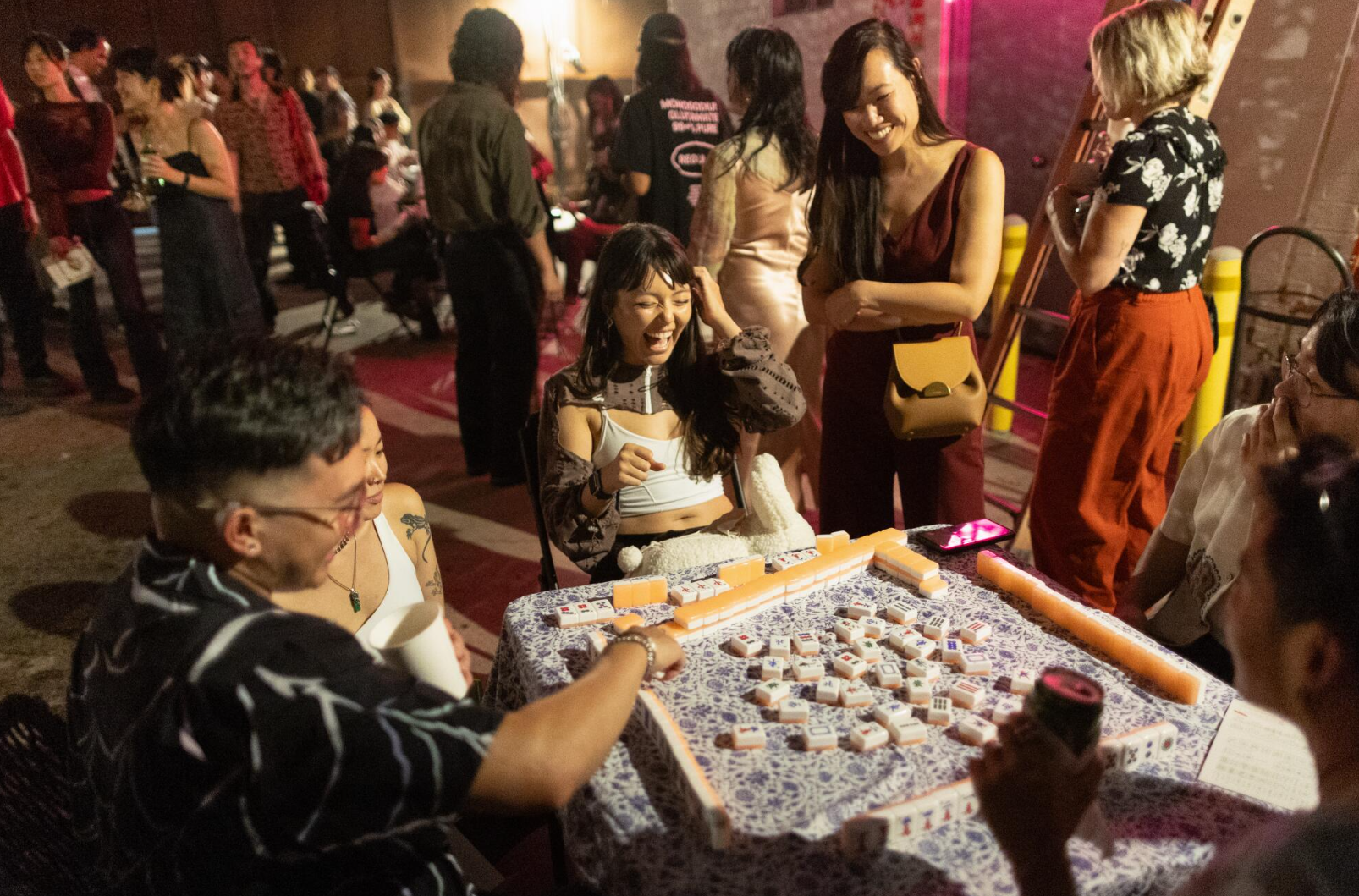
The opportunity is to build the "OpenTable for Mahjong."
By building the infrastructure layer—RSVPs, seating charts, and waitlists—you bypass the hit-driven risks of game development and own the "host graph" instead. The economics are compelling: capturing just 20 hosts and 10 venues in a single city can generate $150K–$500K in annual revenue.
This is a cultural product pretending to be software.
Don't build the game.
Build the rail that makes the night possible.
Read the full playbook here:

Gen Z's mahjong revival created a $500K+ infrastructure gap. The wedge isn't gameplay—it's owning the host graph before Eventbrite catches on.
From the Vault:

Prediction markets hit $10B monthly volume while media trust collapsed to 28%. The infrastructure connecting odds to articles doesn't exist yet.

Vertical drama platforms hit $700M quarterly with public supply shortages. The asymmetric move: become the data-driven studio feeding the ecosystem.


