


A restaurant seat might be capitalism's weirdest product. It's perfectly perishable—an empty 5:30 table becomes worthless at 5:31. It costs a fortune to produce (rent, labor, prep, utilities) and you can't warehouse it. Airlines figured out yield management decades ago. Restaurants are finally catching up, except their inventory comes with vibes, anniversary dates, and a host who will absolutely judge your shoes.
Prime time moved while nobody was watching.
Resy's 2025 Retrospective shows more people dining between 5 and 6 p.m. than during the entire 8-to-11 p.m. window. Nearly half of diners now say they'll eat earlier to skip the rush. Forty-one percent want time to actually relax after dinner instead of stumbling home bloated at 10:30.
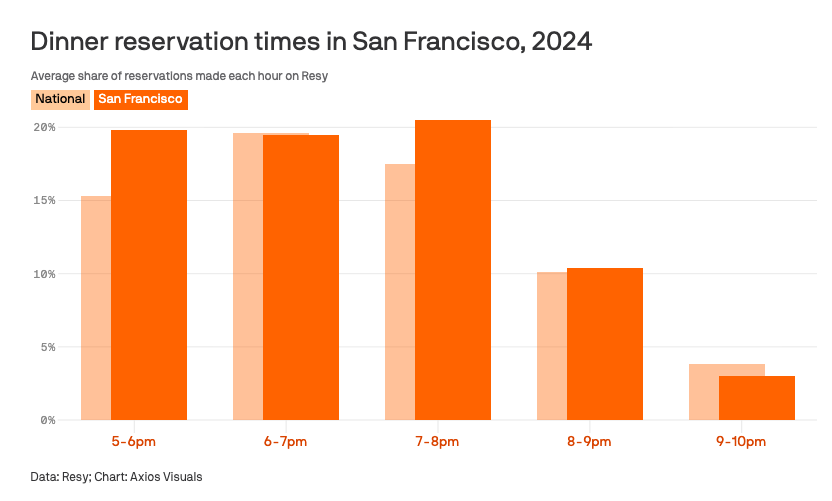
OpenTable backs this up: 53% of Gen Z and 51% of millennials are actively seeking early reservations. In New York, 5 p.m. bookings jumped 20% year over year. Toast's data shows 4 p.m. reservations up 15% last quarter—tied for the biggest jump of any time slot. Meanwhile, 9 p.m. bookings are dropping.
The behavior shift is real and measurable. The opportunity isn't to build another discount aggregator. Nobody needs Groupon With Better Lighting, and restaurants will eventually hate you for it anyway.
Here's what works: Turn early dining into a ritual people join for belonging. Sell restaurants certainty instead of coupons. Then expand into the city's entire underfilled "shoulder-time" economy.
Why Shoulder-Time Arbitrage Usually Fails
The economics look clean on paper: restaurants have underfilled early seats, you aggregate them, wrap it in a subscription, keep a take rate. ClassPass already ran this playbook in fitness, and the cautionary tale writes itself.
Platforms can win while partners quietly bleed. The incentive structure drifts toward routing users to the cheapest inventory and squeezing payouts. ClassPass studios watched per-head payouts collapse to unsustainable levels. Customers got trained to expect 50-70% discounts. Studio owners began viewing ClassPass as a quasi-competitor, not a partner.
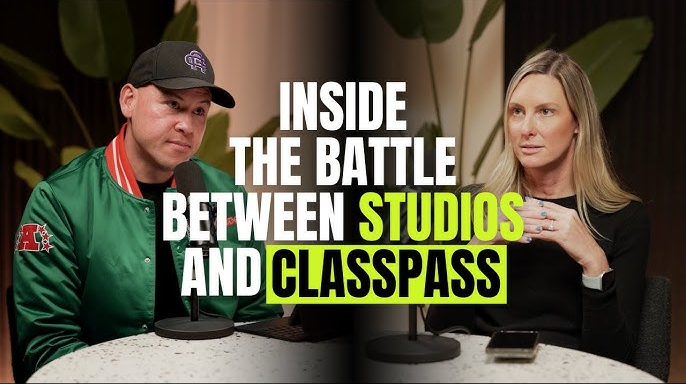
Restaurants have even less patience for this than yoga instructors. They already have functioning reservation pipes through Resy, OpenTable, and SevenRooms. They don't need a middleman turning their early room into a permanent discount channel.
Building your moat on "we negotiated 20% off at 5:30" means building on sand. Skip the blanket discounts. Skip the "early bird special app." Skip the race to the bottom.
What Actually Works: Structure and Serendipity
The proof that people will pay for curated social dinners already exists.
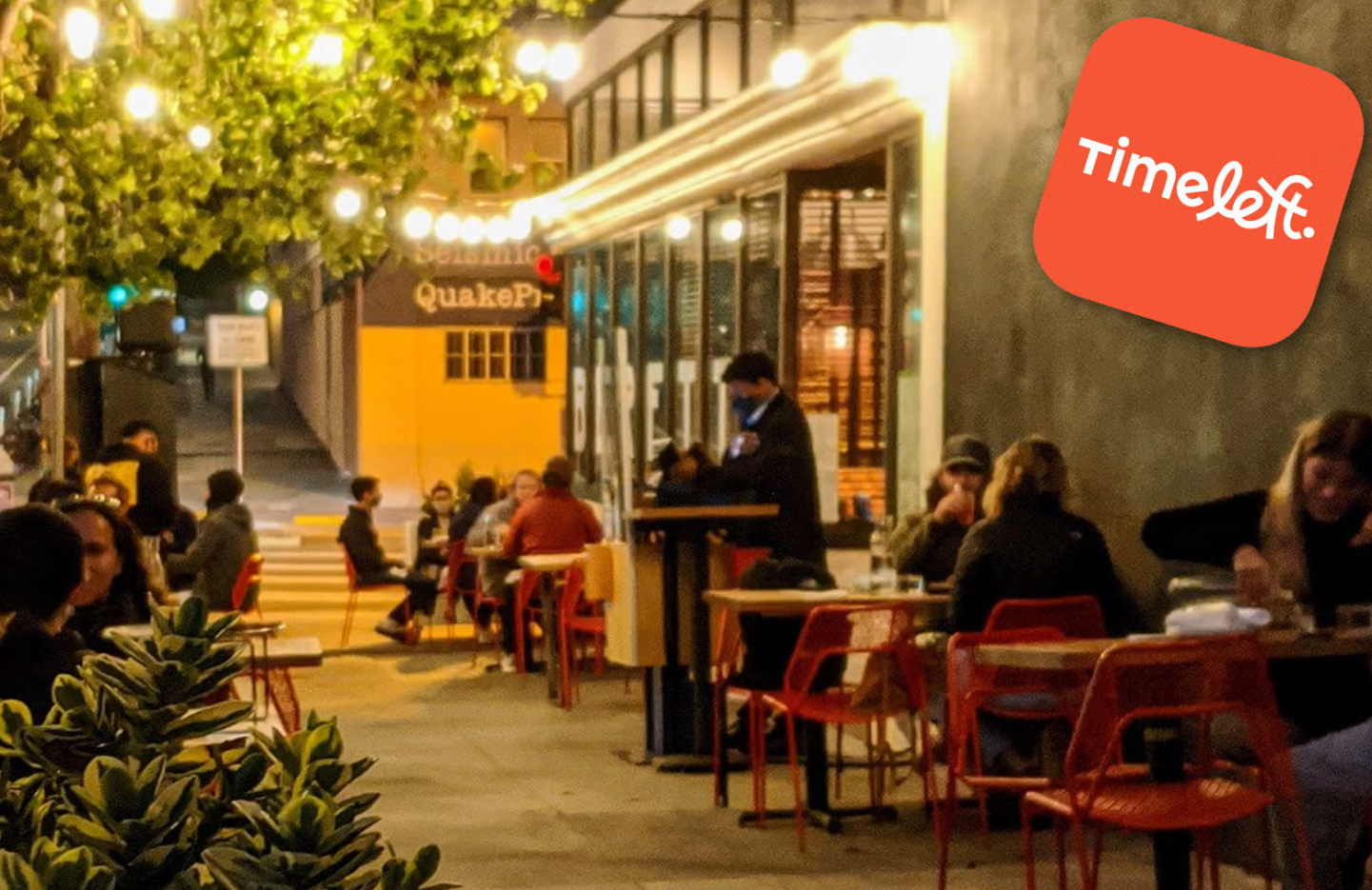
Timeleft runs weekly meetups in 200+ cities globally, matching strangers into groups of six for Wednesday dinners. They position it as "turning strangers into friends." The company hit €18M ARR and 150,000 monthly participants by August 2025. They've raised $7M from investors including FJ Labs.
Timeleft launched during COVID when stages were dark and interaction limited. The model works because it sells what early-dining data from Resy confirms: people want to eat earlier, and they want structure around their social lives.
Your product isn't cheaper tables. Here's what you're actually selling: Get placed into a small, compatible group at 5:30. You eat early, you meet people, your night stays open.
Resy already frames early dining as helping restaurants smooth service and spread demand. The operator incentive aligns with filling shoulder times—as long as you don't wreck their pricing.
Why This Works Now
Four converging forces make this viable.
Demand shifted earlier. Toast, OpenTable, and Resy all independently confirm the same pattern: early slots are growing faster than late slots. This isn't vibes—it's measurable behavior change across every major reservation platform.
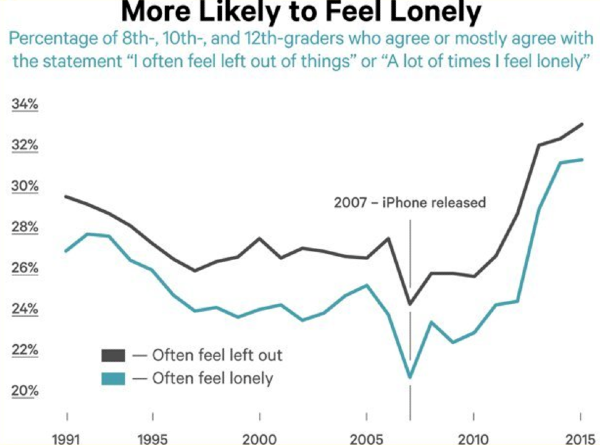
The loneliness epidemic hit critical mass. Cigna's 2025 survey found 57% of Americans are lonely. Among Gen Z, that number climbs higher. The Surgeon General declared loneliness a public health crisis in 2023, comparing its health effects to smoking 15 cigarettes a day. People want planned IRL connection more than another feed. Run clubs exploded for exactly this reason. Early dinner clubs can ride the same wave.
Reservations became infrastructure worth protecting. New York passed the Restaurant Reservation Anti-Piracy Act, cracking down on reservation resale and black markets. Resy saw a 90% reduction in no-shows caused by bots and brokers after the law took effect. When state governments start regulating your space, it matters. That legislation creates regulatory tailwinds for authorized channels while shutting down arbitrage behavior.
Restaurants understand yield management now. The restaurant dynamic pricing software market hit $1.25 billion in 2024 and projects 17.8% CAGR through 2033. Operators get the economics. They just need demand-side partners who won't cannibalize their pricing.
Learning from Timeleft: What They Got Right and Wrong
Timeleft's core insight was treating the dinner itself as the technology. Most platforms obsess over app interfaces. Timeleft designed the offline flow: a restaurant table, six strangers, three hours, and the natural structure of a meal.
At peak velocity, they launched in 325 cities in a single year—one per day—using nothing but paid ads. No local ambassadors. No city managers. The first Barcelona dinners worked with zero team on the ground. They discovered people don't need hand-holding or icebreaker cards. They just show up.
The over-expansion hurt. Many smaller cities fizzled because participant density was too low. Users got bored dining with the same 10 people weekly. Founder Maxime Barbier admits they should have focused on depth before breadth. Low-density markets produced burnout and churn, forcing a retrenchment.
Their fix: add new formats of connection beyond dinners. Bar meetups, women-only dinners, running groups. This lifted average member usage from 1.4 to 2.2 experiences per month.
Learn from both moves. Pick one city. Own it. Go deep before going wide.
Building the Product: Weekly Ritual, Not Booking App

Unlock the Vault.
Join founders who spot opportunities ahead of the crowd. Actionable insights. Zero fluff.
“Intelligent, bold, minus the pretense.”
“Like discovering the cheat codes of the startup world.”
“SH is off-Broadway for founders — weird, sharp, and ahead of the curve.”


