


Northwestern's Spiegel Research Center fed millions of real product reviews into a model and asked a straightforward question: Do more stars always mean more sales?
Turns out, no. Purchase likelihood peaked when products sat in the 4.2–4.5 star range, then fell as ratings crept toward a perfect 5.0.
PowerReviews data told the same story. By 2021, 96% of shoppers said they look at negative reviews at least some of the time, and about two‑thirds were actively filtering for one‑star reviews. Those visitors didn't bounce—they converted at more than 2x the rate of average traffic.
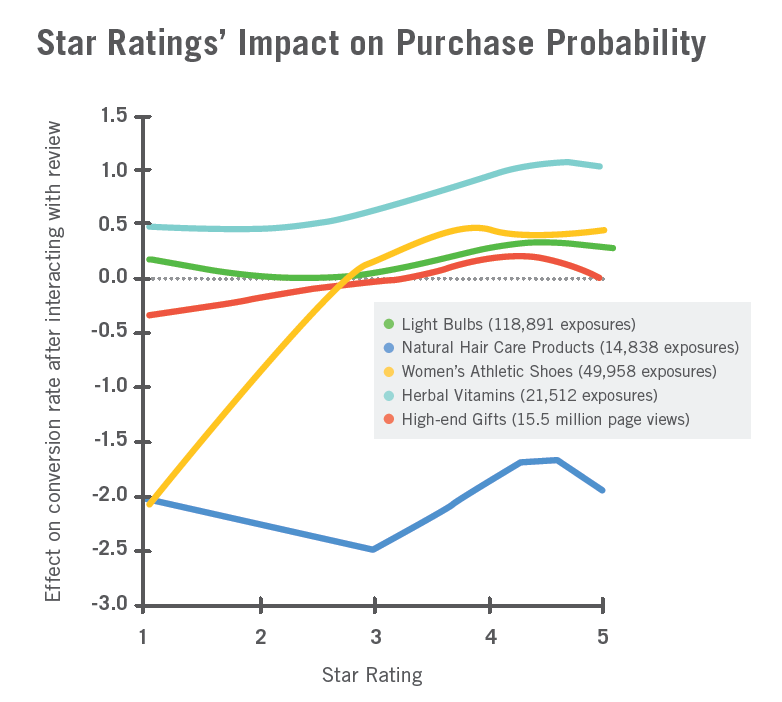
People were hunting for reasons to believe. Nothing but glowing praise feels airbrushed. Mostly good reviews with a handful of specific complaints feels real. The numbers just confirmed what most of us already run in the background: if nobody's unhappy, I don't know what I'm really buying.
Online trust builds from pattern recognition. Most people satisfied, objections that make sense, complaints with specifics—that's what credibility looks like at scale. "Everybody loved it" triggers skepticism. "Most people liked it, here's what the dissatisfied 4% said" triggers consideration. A 4.3 with documented complaints converts better than a suspicious 5.0.
TikTok Shop has the opposite problem.
The platform moves fast—endless coupon codes, flash deals, influencers reading from identical scripts—but the trust infrastructure hasn't caught up. Everything shows an almost-perfect 4.8. Very little feels legible after the hype cycle ends. Shoppers can't tell what actually holds up versus what rode a viral moment into oblivion.
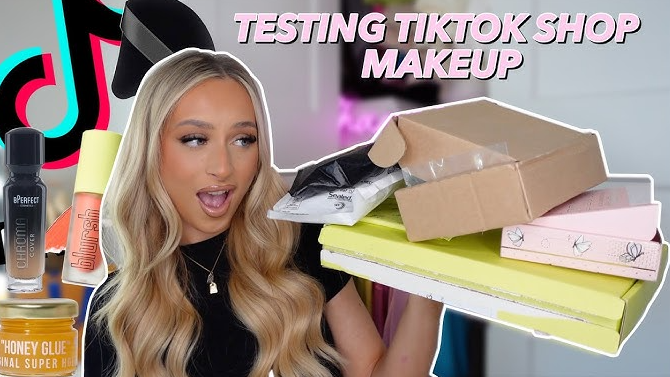
There's a structural gap here. The real opportunity isn't helping more brands go viral on TikTok. It's building the infrastructure layer that separates products that work from products that disappear.
Today's Featured Opportunity is the Endurance Filter—a trust system for TikTok Shop that indexes products based on what stays good after 90 days, 1,000 orders, returns data, and accumulated reviews.
Return-rate-adjusted scores. "Survived the hype cycle" badges. Cohort performance charts. A simple consumer promise: if it's in this list, it already survived the internet.
The initial product surface can be a Chrome extension, a comparison site, or a brand scoreboard for operators. Over time, it becomes infrastructure that serious sellers pay to access—because placement in the Endurance Filter carries more weight than another week of virality.
Read the full playbook here:
TikTok Shop users regret 23% of purchases. Build the trust layer that captures post-viral buyers seeking quality over hype.
From the Vault:

TokTak validated URL-to-content for everyone. Now build the vertical agent that owns one industry's entire marketing workflow.
Wabi and Lovable validated AI app creation infrastructure. The real opportunity isn't building apps—it's becoming the monetization layer that captures portfolio value.


