


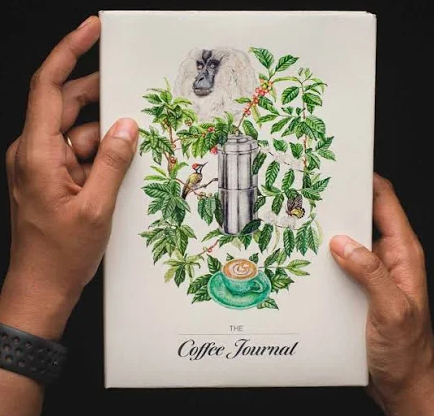
While tech Twitter (yeah, X, right) obsesses over AI agents, a different corner of the internet is quietly selling out of hyper-specific analog logs. Coffee cupping journals. DnD campaign notebooks. Bonsai care trackers. Sourdough diaries that ask, "How did my starter feel today?"
The global paper notebook market sits at roughly $25–27 billion in 2025, with hardcover and premium segments growing at 4–5% annually through 2030. Multiple industry reports confirm steady expansion even as digital alternatives multiply.
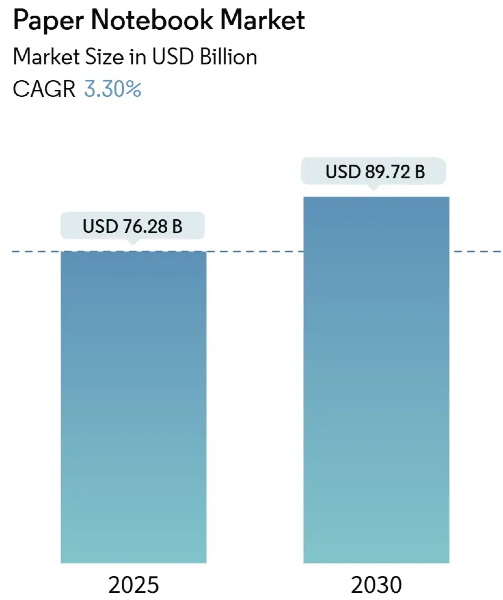
Here's the figure that matters: about 25% of global notebook demand now comes from lifestyle and premium users. Not students or corporate. People buying paper for their own hobbies and obsessions. Every purchase is a statement about who they are.
The hidden shift
Bullet journaling normalized the idea of hyper-specific tracking. Mood, workouts, skincare, media consumption, language learning—everything gets its own layout. Then Etsy and planner shops exploded with "logbooks for one weird obsession"—priced at $20–$35 each, many with hundreds of reviews.
The dynamic underneath is simple: people don't buy paper. They buy system + status signal.
"I'm a serious home barista, so of course I have a dial-in log."
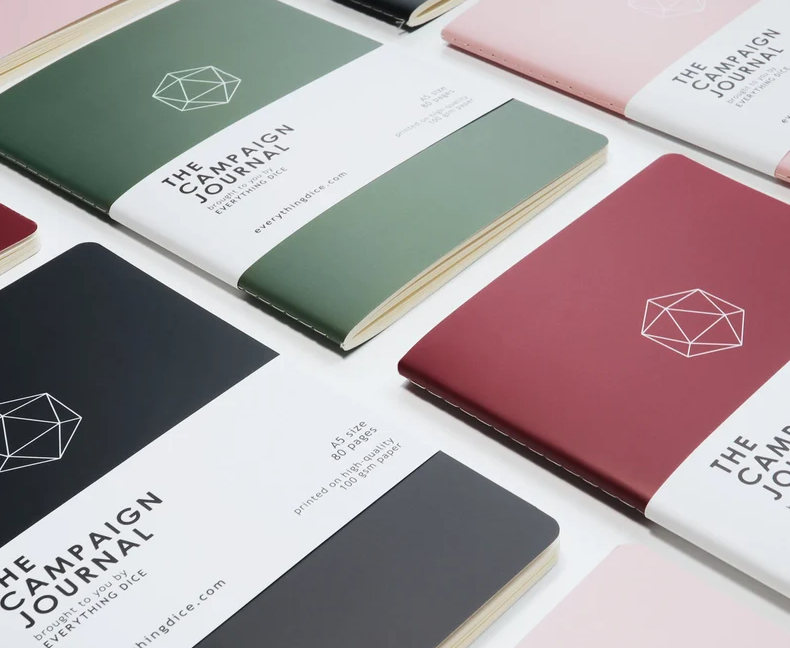
"I'm a real DM, I have a dedicated campaign journal."
The notebook becomes both tool and tribe marker.
Now layer in a second trend.
The creator economy hit $205 billion in 2024 and is projected to exceed $480 billion by 2027, according to Goldman Sachs. Creators are diversifying beyond ads and sponsorships—merchandise and physical products have become meaningful revenue streams for mid-tier influencers looking to deepen fan relationships without warehousing hoodies. Combine the two trends and you get a clear wedge.
Don't try the obvious plays they pimp on YouTube
The default "hustle Twitter" move: crank out 200 AI-generated journals on Amazon KDP and let the royalties rain.
Three problems with that thesis in late 2025.
Amazon's actively throttling the junk flood.
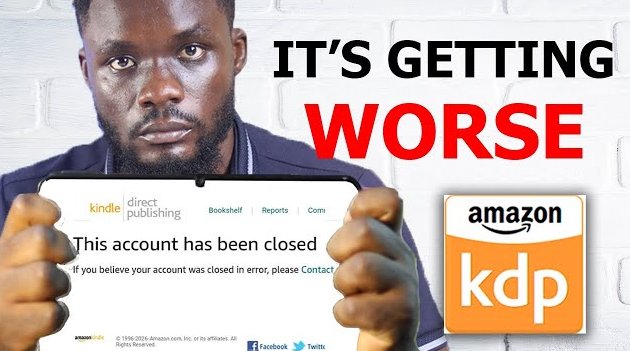
KDP now requires authors to disclose AI-generated content—text, images, or translations—when publishing any new or updated title. They've capped new title creation at 3 per day and added identity authentication requirements. Barnes & Noble has de-listed thousands of self-published titles across erotica, public domain works, and low-quality summary books. Distributors like Draft2Digital report publishing volume up 50% from AI-generated submissions—and they're actively filtering bad actors.
The platforms are closing the spam window.
Unit economics collapse when you're commodity.
Print-on-demand notebooks are easy to make. Margins are thin. You fight SEO against 10,000 "Cute Minimalist Planner" clones and walk away with nothing to show for it—no audience, no lasting relationship with buyers.
Anyone with Canva and 30 minutes can copy you.
Lulu, Blurb, and dozens of others make it trivial to spin up custom notebooks with zero inventory. Great for you. Great for everyone else. Bad for defensibility.
"Spray 50 AI journals at KDP and pray" is a fast, fragile, platform-risk-heavy play.
The real opportunity is bigger. And nerdier.
The heist: Own the Analog OS for Obsessives
The play has two layers.
Unlock the Vault.
Join founders who spot opportunities ahead of the crowd. Actionable insights. Zero fluff.
“Intelligent, bold, minus the pretense.”
“Like discovering the cheat codes of the startup world.”
“SH is off-Broadway for founders — weird, sharp, and ahead of the curve.”


