


In 2010, a garden designer named Itaru Sasaki dragged a white telephone booth into his garden in Otsuchi, Japan. Inside, he placed a black rotary phone.
He didn’t plug it in.
He built it to "talk" to his deceased cousin. He named it Kaze no Denwa (The Wind Phone).
Then the 2011 tsunami hit.

Suddenly, the booth wasn't just for him. Over 30,000 strangers have since traveled to this disconnected phone to speak to lost loved ones. They pick up the dead receiver, dial a number, and talk.
Humans are hardware-dependent.
We can’t just "process" deep emotion in the abstract; we need a physical interface to unlock it. We need a prop to give us permission.
The Wind Phone is a User Interface for memory. It turns out, you don't always need a signal to get through.
Today, we’re looking at a business that digitizes that experience.
There are 1.28 million licensed beds in U.S. senior living communities. For many residents, their world has shrunk to a hallway and a window.
The opportunity? VR Concierge.
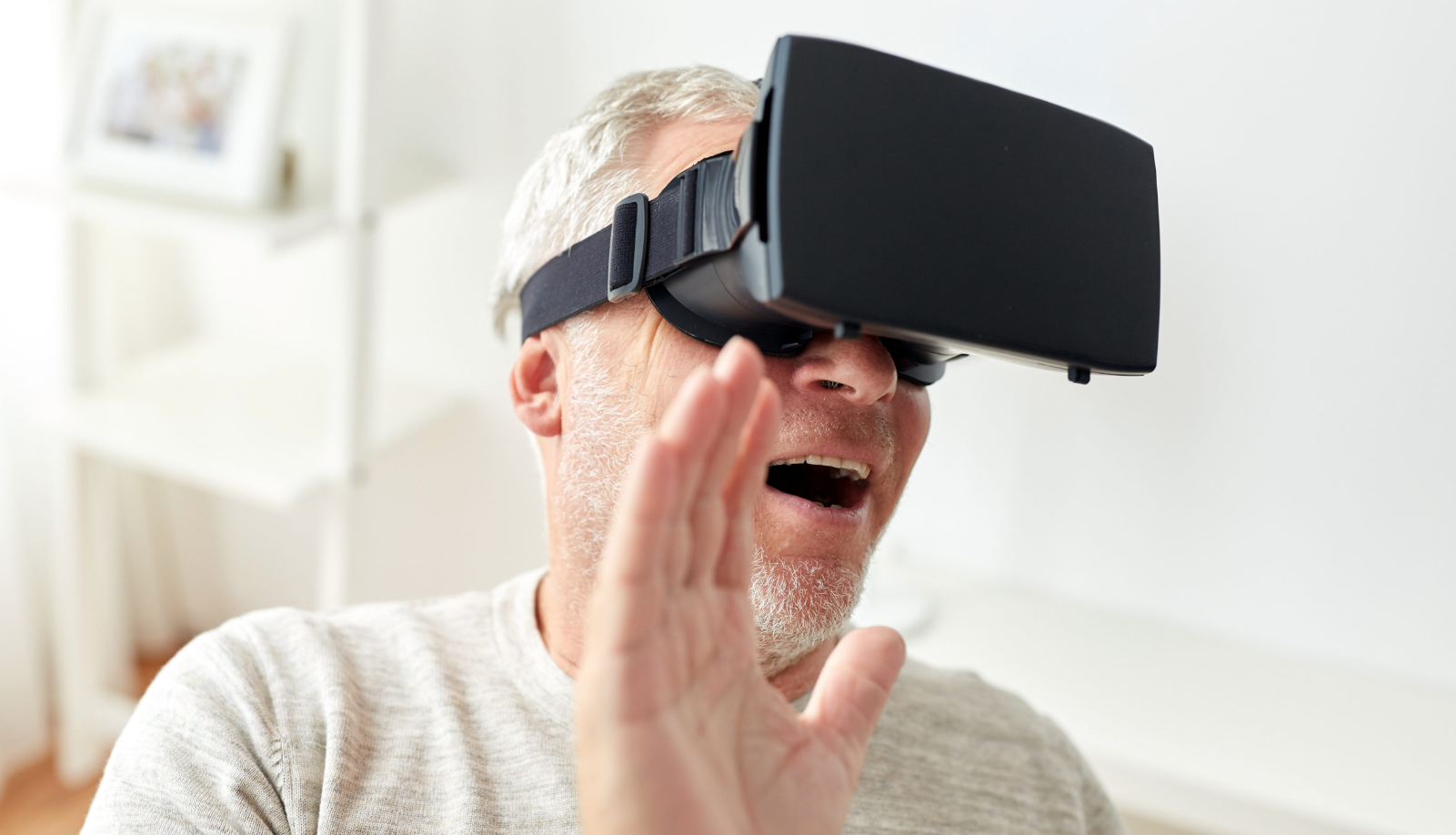
You aren't selling headsets; you’re selling a time machine. You’re the operator who puts a commodity device on a 90-year-old grandmother and teleports her back to her childhood street in Queens.
The "tech" is simple. The service—the hand-holding, the curated nostalgia, the operational layer—is the moat.
Facilities are drowning in isolation crises and staff turnover. They will pay $4,000/month for you to solve it. Get this right in just 500 communities, and you’re looking at $24M ARR.
This is low-tech operations for a high-emotion payoff.
Read the full playbook here:

VR penetration in senior living is under 5% despite NIH validation. The gap isn't tech—it's operational complexity. Build the infrastructure layer.
From the Vault:

Verification infrastructure meets creator economics while 59 percent of the workforce needs reskilling and late-career experts earn 2009 wages.

Premium event venues need weather certainty, not forecasts. Parametric triggers plus certification create $46K annual contracts per property.


