


Three nights a week, she's live on TikTok pulling tarot for 2,000 viewers. She ships 40+ spell kits monthly from her apartment. Her DMs overflow with "Can you do a reading tomorrow?" and panicked messages about candles burning weird.
Behind the scenes: Etsy for physical products. Calendly for readings. PayPal, Venmo, Stripe, Cash App—whatever doesn't flag her account. Canva for moon calendars. Instagram for community. Google Sheets tracking who paid for what.
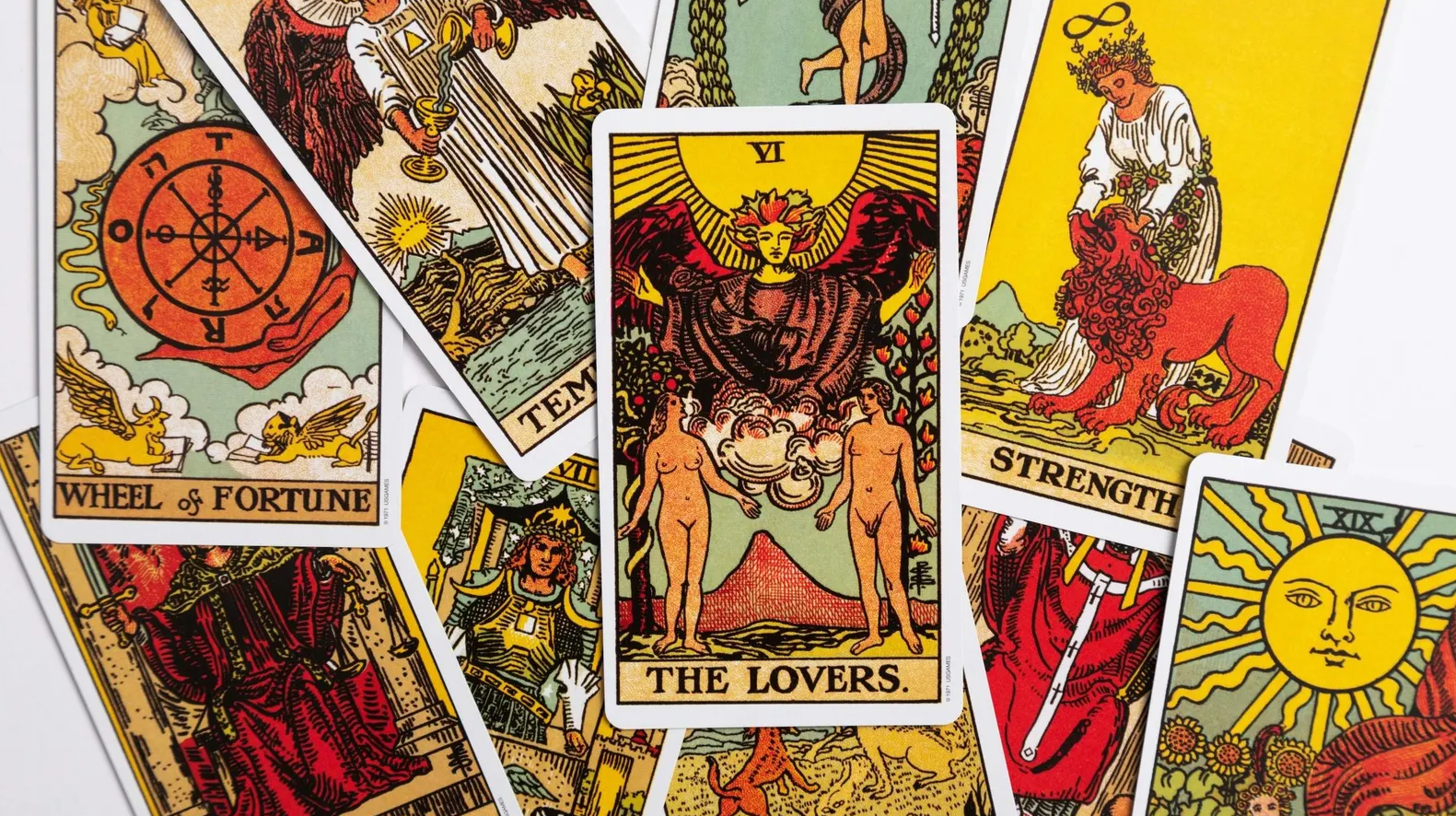
She cleared $60K last year. Software stack: held together by hope.
The opportunity is building commerce rails that turn that chaos into real revenue. Backstage infrastructure—the rigging, lights, and ticketing that make magic look effortless in public. Every theater has one. The witch economy doesn't.
The math behind modern witchcraft
The spiritual products and services market hit $186 billion globally in 2024 and projects to $255 billion by 2033. The U.S. psychic services industry alone—readings, astrology, energy work—generates $2.3 billion annually from 100,000+ practitioners, most running micro-businesses.
WitchTok commands attention that would make most brands jealous. The #WitchTok hashtag crossed 69 billion views. Related tags like #spirituality pulled 19 billion, #witches hit 13 billion. For context, #Kardashian sits at 6.4 billion.

On Etsy, over 400,000 products carry the "witch" tag. Top spiritual sellers rack up 120,000+ sales at $18 average price points. The platform hosts 5.4 million active sellers, 80% identifying as women—most running shops from home—with the spiritual category representing steady double-digit growth.
Religious affiliation surveys place 1–1.5 million Americans in the Wiccan and modern pagan bucket—up from thousands in the 1990s. The demographic runs young, internet-native, and direct-to-creator. They're recurring customers by design: moon cycles, Sabbats, retrogrades, life transitions. An under-tooled creator vertical sitting in plain sight.
What existing tools miss entirely
The pain is obvious enough that horizontal scheduling tools already smell money.
You've got Trafft, Amelia, Vev, EasyWeek, and Flowdara marketing to mediums, astrologers, and energy healers. They solve appointments. Some handle basic payments. A few let you tweak branding.
None treat a witch, tarot reader, or astrologer as what they actually are: a creator-merchant running services + products + digital content + memberships on a ritual calendar.

Consider what everyone is missing right off the bat:
- Inventory tracking for spell kits
- Hosting paid PDFs and courses under your own brand
- Coven-style memberships with recurring circles
- Coordinating seasonal launches around Sabbats, eclipses, retrogrades
- Routing clients across specialists in a network
They're basically Calendly with purple gradients. They handle a sliver of the business and leave money everywhere else.
The opportunity: Ritual Backstage
Unlock the Vault.
Join founders who spot opportunities ahead of the crowd. Actionable insights. Zero fluff.
“Intelligent, bold, minus the pretense.”
“Like discovering the cheat codes of the startup world.”
“SH is off-Broadway for founders — weird, sharp, and ahead of the curve.”


